
The Berlin File
2013
No user ratings available yet
Representation score: 3.2 out of 10
Representation Score
Limited
2003
Director
Kim Yoo-jin
Runtime
117 minutes
Average Rating
No ratings yetNew Showbiz Analysis
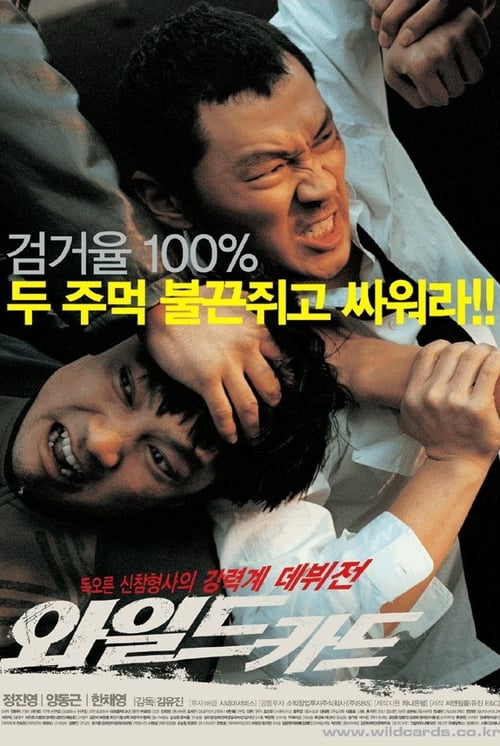
Wild Card is a conventional crime thriller that leans heavily on genre standards rather than challenging social hierarchies. The film focuses on restoring order through law enforcement, aligning with traditional views of institutional stability. The cast and setting are specific to South Korea, making the production ethnically homogeneous. While it avoids harmful stereotypes, it does not aim to disrupt conventional expectations through diverse casting. Overall, the film does not intentionally represent LGBTQ+ identities or challenge traditional gender roles. It relies on established masculine leadership archetypes common to the action and thriller genres.
Category Breakdown
The film does not include characters with non-traditional gender identities or challenge the idea that everyone is straight. It follows a typical crime thriller format that emphasizes conventional social structures.
The story revolves around male characters, highlighting themes of masculine dominance. Female characters tend to play supporting roles or are victims within the action clichés.
Set in Seoul, the cast is ethnically uniform. While it avoids harmful stereotypes, the film remains specific to Korean culture and does not explore diverse backgrounds.
The plot follows traditional crime drama structures centered on law enforcement. It does not address anti-capitalist themes or question institutional stability.
The film does not feature characters dealing with physical, sensory, or neurodivergent disabilities. There is no specific mention of disability in the narrative.
Present on Screen
Limited or Absent
Official Synopsis
Two detectives investigate a string of horrific murders in Seoul and zero in on a sadistic gang leader who carries an actual ball and chain.
2013
2006
1988
1999

2024
1994

2019
2023
No reviews yet. Be the first to share your thoughts on this movie!
Use the rating form above to leave a star rating and optional review.