
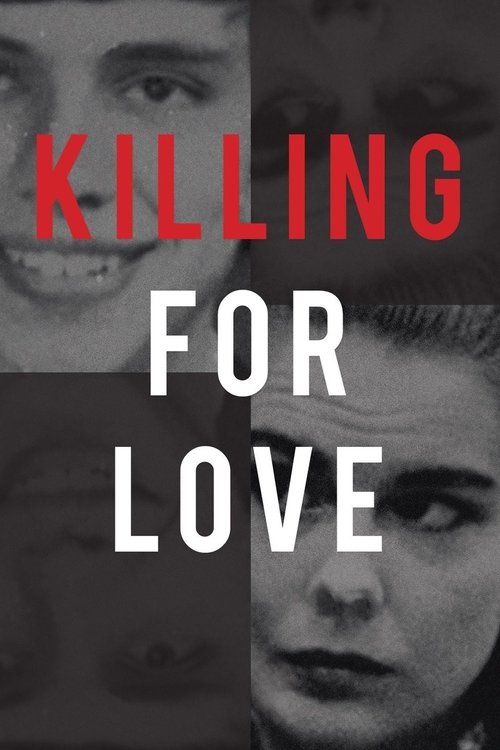
Steven Avery: Innocent or Guilty?
2016
No user ratings available yet
Representation score: 2.1 out of 10
Representation Score
Limited
2016
Director
Marcus Vetter, Karin Steinberger
Runtime
131 minutes
Average Rating
No ratings yetNew Showbiz Analysis
Killing for Love is a forensic deconstruction of a high-profile criminal case rather than a study of underrepresented identities. Its primary value lies in its investigative rigor and its ability to challenge established 'truth' narratives. The film succeeds by questioning the perceived infallibility of legal structures. It frames justice as a complex, non-linear process rather than a simple moral binary, using new forensic evidence to question original convictions. While the documentary lacks explicit representation of diverse identity groups, it utilizes a sophisticated narrative structure to critique institutional certainty and the complexities of cross-cultural dynamics.
Category Breakdown
The film focuses on the heterosexual relationship between Elizabeth Haysom and Jens Söring. There are no LGBTQ+ characters or non-straight identities explored.
The documentary delves into Elizabeth Haysom's role and psychological motivations. It avoids traditional stereotypes of submissive women, presenting a dark, nuanced portrayal of her involvement in the crime.
The narrative highlights an interracial dynamic through Jens Söring's background. It examines how identity and origin impact perceptions within the American legal system.
The film critiques the fallibility of Western judicial institutions and state power. It explores the tension between international borders and national legal authority during the protagonists' extradition.
There is no significant focus on visible or invisible disabilities. No characters with disabilities play central roles in this investigation.
Present on Screen
Limited or Absent
Official Synopsis
Derek and Nancy Haysom were brutally murdered in their house in Lynchburg, Virginia, on March 30, 1985. Suspicion fell on their daughter Elizabeth and her boyfriend Jens Söring. They flee to Europe, but are caught and extradited to the U.S. Elizabeth is sentenced to 90 years in jail for incitement to murder, Jens Söring to two life sentences. Karin Steinberger, Marcus Vetter and their team spent over three years researching this case, which achieved world-wide notoriety. They uncovered new evidence, including the fact none of the blood samples found at the scene of the crime belonged to Jens Söring.
2016

1996
2013

2000
2008

2020

2014
2015
No reviews yet. Be the first to share your thoughts on this movie!
Use the rating form above to leave a star rating and optional review.