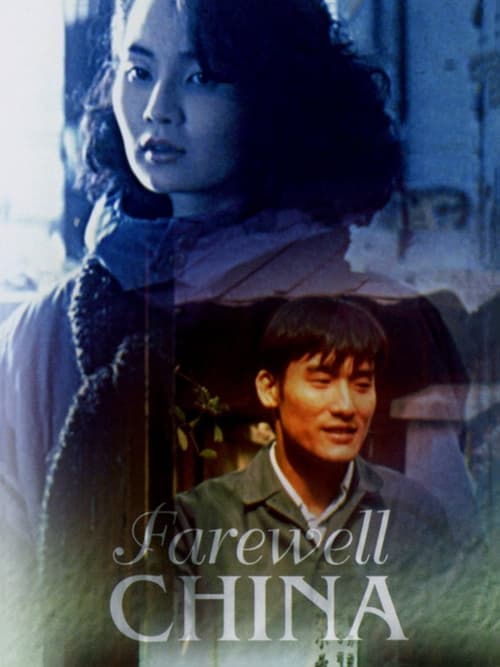
Farewell China
1990
No user ratings available yet
Representation score: 4.8 out of 10

Representation Score
Limited
1992
Director
Yeung Chi Kin
Runtime
91 minutes
Average Rating
No ratings yetNew Showbiz Analysis
China Dolls operates as a social melodrama that deconstructs the myth of the stable family. Instead of focusing on identity-based casting, the film delves into portraying institutional forces as disruptive rather than protective. The narrative emphasizes the lived experiences of individuals facing systemic instability. It employs the cliché of the displaced child to highlight the consequences of institutional rigidity during a shifting geopolitical landscape. While the film provides a nuanced look at socio-economic hardship, it relies on established melodramatic clichés regarding female victimization.
Category Breakdown
The film does not include any characters with non-straight sexual orientations or non-cisgender identities. The central conflict revolves around a traditional, violent domestic struggle.
The story centers on May's survival amid extreme socio-economic pressures. Her portrayal leans towards the tragic victim cliché commonly found in 90s melodrama.
As a localized Hong Kong production, the film explores specific regional social realities. It uses the theme of repatriation to critique how legal and ethnic identities shape life outcomes.
The narrative presents a skeptical view of institutional authority and systemic corruption. It critiques capitalist survivalism through the protagonist's descent into the underworld.
There are no characters with visible or invisible disabilities playing a central role in the narrative.
Present on Screen
Limited or Absent
Official Synopsis
Tong catches Chiu attempting to rape his wife May (Amy Yip). They scuffle and Tong shoots Chiu dead with Chiu's gun. They flee but Tong is killed in a shootout with police. May begs an officer to take her child, since if he is repatriated he'll have a horrible life. So, the infant son ends up in Hong Kong separated from his mother. Six years pass and May is a hotel maid then gets forced into prostitution. She longs to see her son, who is now a young boy, maybe to fully reunite with him.
1990

1962
1983

1990
1999

2013
1992

2000
No reviews yet. Be the first to share your thoughts on this movie!
Use the rating form above to leave a star rating and optional review.