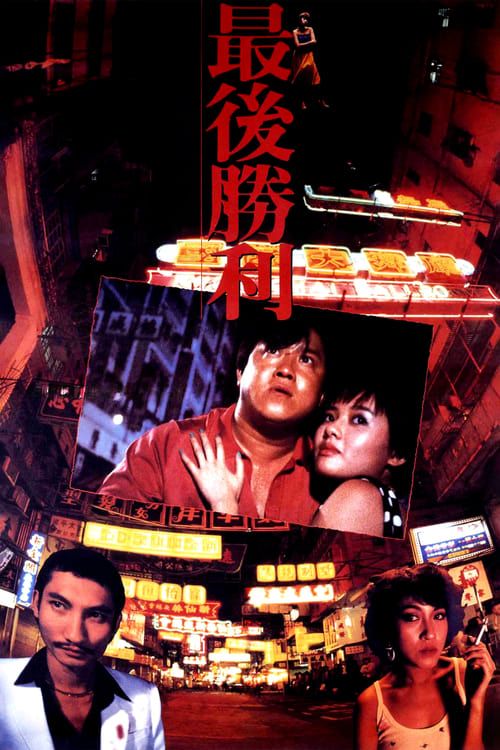
Final Victory
1987
No user ratings available yet
Representation score: 3.6 out of 10
Representation Score
Good
1999
Director
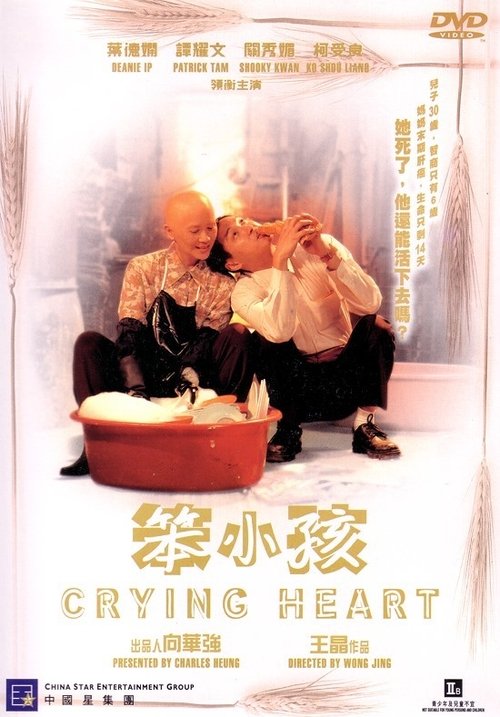
Wong Jing
Runtime
104 minutes
Average Rating
No ratings yetNew Showbiz Analysis
Wong Jing’s melodrama centers on the disruption of social stability through neurodivergence and physical disability. The film prioritizes emotional truth and situational ethics over traditional, stable institutional norms. While the narrative lacks explicit LGBTQ+ representation or high-level racial the way different parts of someone's identity overlap, it succeeds in portraying non-traditional family structures. The focus on the fragility of social order provides a tragic departure from standard heroic clichés. Ultimately, the film functions as a character study that uses disability and unconventional maternal bonds to challenge standard social expectations.
Category Breakdown
The film focuses on heterosexual and traditional family relationships. It does not explicitly include LGBTQ+ identities but explores unconventional maternal connections through surrogate relationships.
May provides emotional weight as a central figure despite her victimization. However, the narrative relies on clichés of male instability through the protagonist's impulsive nature.
The cast is predominantly East Asian, reflecting the Hong Kong film industry's cultural context. It offers a localized perspective rather than a multi-ethnic or Western-centric one.
The story deconstructs the ideal family unit through themes of subjective morality. It explores non-traditional parenthood and the chaotic survival of characters outside conventional social norms.
May’s severe disability serves as a central driver for the plot and emotional arc. The character is integral to the story rather than being a peripheral element.
Present on Screen
Limited or Absent
Official Synopsis
Mrs. Fat is slowly succumbing to cancer, but her biggest worry is her only child, the 30-year-old Bee. Possessing the mind of a toddler but the hormonal urges of a sexually aroused rhino, Bee finds himself in trouble with the gangster boyfriend of his neighbor May. After the thug is killed for stealing some heroin, the pregnant May becomes severely disabled -- and after Bee's real mother dies, the surrogate mother for her new friend.
1987

1997

1990
1994
1989
1991

1999
2000
No reviews yet. Be the first to share your thoughts on this movie!
Use the rating form above to leave a star rating and optional review.