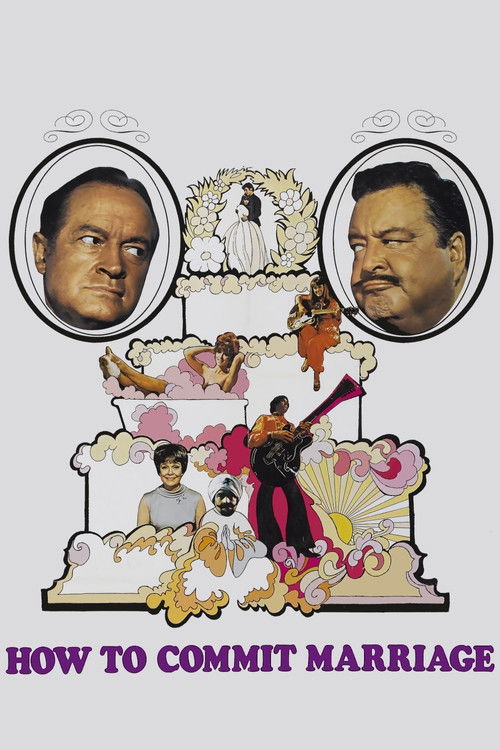
How to Commit Marriage
1969
No user ratings available yet
Representation score: 0.5 out of 10
Representation Score
Good
1969
PGDirector
George Schaefer
Runtime
109 minutes
Average Rating
No ratings yetNew Showbiz Analysis
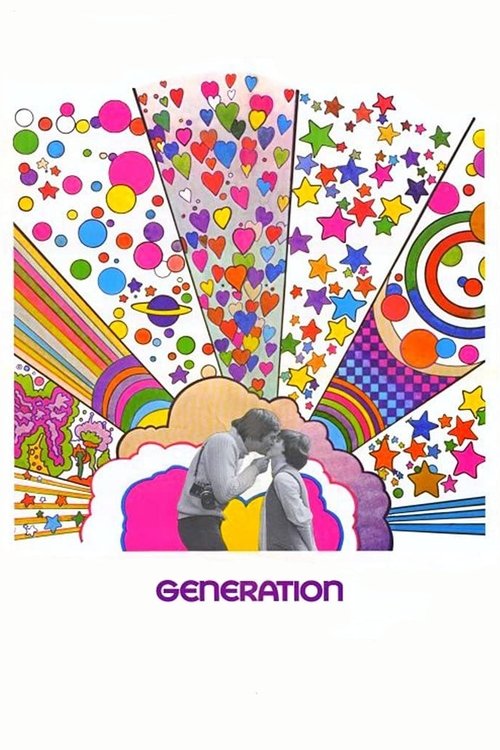
Generation serves as a cinematic portrayal of the late 1960s counterculture, highlighting the tension between traditional social structures and youth autonomy. The film emphasizes the disruption of conventional family roles and the rejection of institutionalized parenting norms. Its strength lies in capturing the era's move towards individualistic, non-conformist lifestyles. By presenting the older generation as an obstacle to personal freedom, it effectively portrays a significant period of social transformation and institutional critique. However, the film falls short in providing substantial representation for LGBTQ+ identities, diverse racial groups, or characters with disabilities, maintaining a focus primarily on the generational divide.
Category Breakdown
The film does not show any non-binary or LGBTQ+ identities or same-sex relationships. Instead, it focuses on generational differences rather than specific queer identities.
The story challenges male-dominated structures by emphasizing women's control over their lives and bodies. Newlyweds reject traditional medical advice, disrupting established male roles.
There is no indication of a predominantly non-white cast or intentional diverse casting. The film reflects the demographics of the 1960s Greenwich Village bohemian community.
The film highlights the breakdown of traditional Western institutions and religious norms. It prioritizes secular, bohemian values and personal freedom over established social structures.
Disability is not a central theme or plot driver. The narrative focuses on societal changes rather than physical or cognitive differences.
Present on Screen
Limited or Absent
Official Synopsis
Newlyweds shock the bride's father with plans for natural childbirth in a Greenwich Village loft.
1969
1969

1978

2013
1972

1970
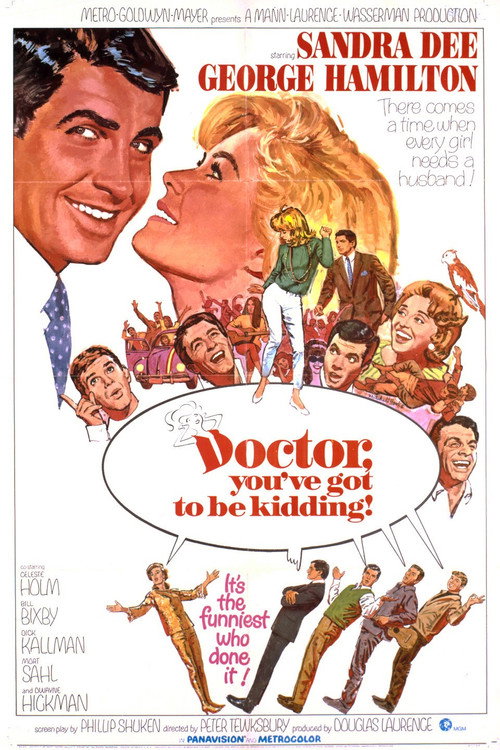
1967

1989
No reviews yet. Be the first to share your thoughts on this movie!
Use the rating form above to leave a star rating and optional review.