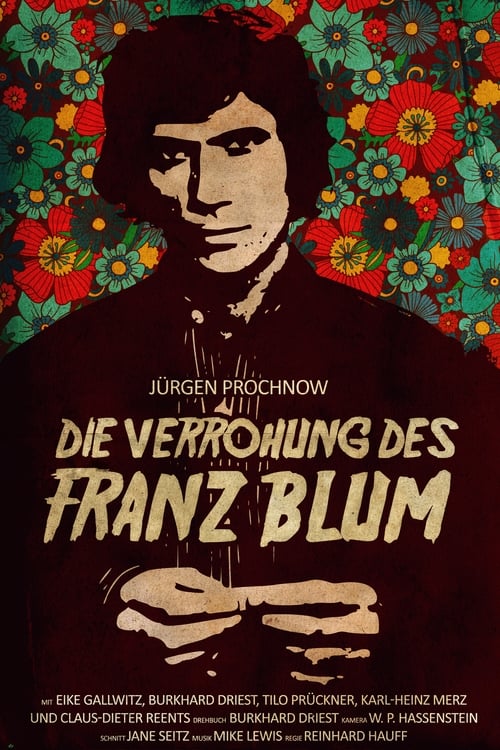
The Brutalization of Franz Blum
1974
No user ratings available yet
Representation score: 7.0 out of 10
Representation Score
Good
2006
Director
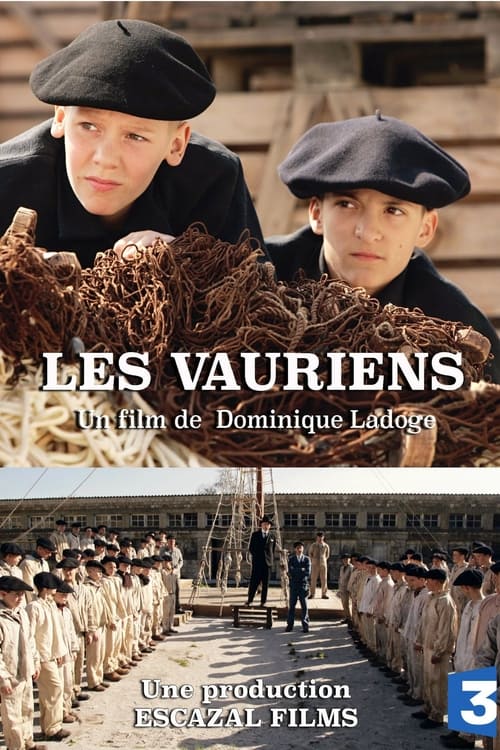
Dominique Ladoge
Runtime
95 minutes
Average Rating
No ratings yetNew Showbiz Analysis
Rascals is a period drama that prioritizes systemic critique over broad demographic representation. It succeeds in deconstructing institutional power, portraying the state's disciplinary methods as corrupt and cruel rather than rehabilitative. While the film lacks explicit LGBTQ+ or diverse gender identities, it finds depth in the shared exclusion of its characters. The focus remains on the friction between individual control and state-mandated discipline within a colonial framework. Ultimately, the film's strength lies in its anti-authoritarian themes. It uses the setting of a penal colony to challenge traditional notions of social order and moral correction.
Category Breakdown
The film explores intense emotional bonds and shared trauma among juvenile inmates. However, it lacks explicit depictions of LGBTQ+ identities or non-assuming gender matches what was assigned at birth romantic arcs.
Set in a male-dominated penal colony, the story focuses on boys and men. It challenges familiar masculine clichés by portraying authority figures as sadistic rather than strong leaders.
The French colonial-era setting implies potential tensions between staff and inmates. Representation is tied to the historical complexities of the period's penal system.
The narrative offers a sophisticated critique of Western institutions. It frames state-mandated rehabilitation and manual labor as oppressive systems rather than moral correction.
The reformatory environment highlights physical and psychological trauma. The film uses the toll of manual labor to explore themes of bodily and mental vulnerability.
Present on Screen
Limited or Absent
Official Synopsis
The story of boys who were condemned to the severe reformatory regime in a French penal ‘colony’. It’s run by a former prison warden, based on ‘rehabilitattion’ trough manual labor and strict discipline. Young Reynard, a novice to crime and juvenile detention, meets horrible hardened villains and sadistic staff as well as people with some heart among fellow inmates and their supposed educators.
1974

1979
1987
1938
1970
2013
2002

2010
No reviews yet. Be the first to share your thoughts on this movie!
Use the rating form above to leave a star rating and optional review.