
Born Innocent
1976
No user ratings available yet
Representation score: 5.0 out of 10
Representation Score
Good
1987
Director
Larry Peerce
Runtime
90 minutes
Average Rating
No ratings yetNew Showbiz Analysis
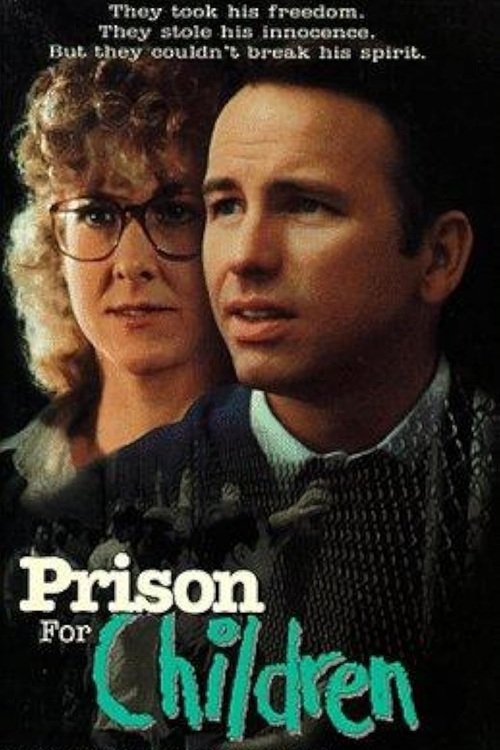
Prison for Children functions as a social critique that questions the effectiveness of traditional disciplinary methods. The narrative centers on the conflict between individual autonomy and institutional rigidity, using an orphaned teenager to illustrate systemic flaws. The film’s strength lies in its structural approach to dismantling punitive hierarchies. It portrays established authority as needing reform rather than unquestioned adherence, aligning with themes of institutional accountability. However, the film lacks specific details about race, gender identity, and disability, focusing more on systemic critique than identity-based representation.
Category Breakdown
The film does not provide explicit information about LGBTQ+ identities or non-traditional gender roles. It maintains a neutral stance appropriate for a historical context.
The presence of a superintendent and a sympathetic teacher hints at potential for nuanced gender dynamics. However, specific character arcs and gender roles remain unspecified.
The film does not specify the racial makeup of the cast or the main character. Without explicit details, the score stays at a baseline level.
The film critiques traditional Western institutions by portraying the juvenile disciplinary system as outdated. It emphasizes individual well-being over maintaining oppressive institutional authority.
There is no specific mention of neurodivergence or physical disabilities in the film.
Present on Screen
Limited or Absent
Official Synopsis
Contemporary drama dealing with an orphaned teenager trapped in an antiquated juvenile disciplinary system and the efforts of the institution's superintendent and a sympathetic teacher to get that system changed.
1976

1979

2006

1938

1983

2015
2002

2010
No reviews yet. Be the first to share your thoughts on this movie!
Use the rating form above to leave a star rating and optional review.