
A Robbery In... Style
1978
No user ratings available yet
Representation score: 5.4 out of 10
Representation Score
Fair
1967
Director
Yefim Gamburg
Runtime
21 minutes
Average Rating
No ratings yetNew Showbiz Analysis
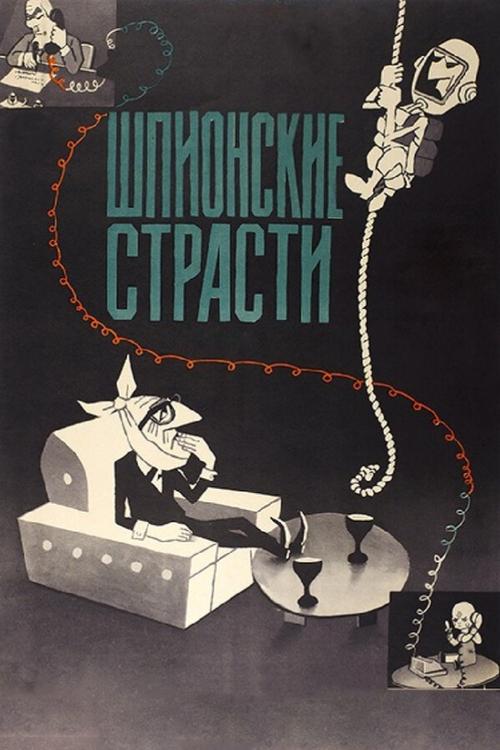
Passion of Spies is a sophisticated piece of Soviet animation that uses parody to deconstruct the cinematic structures of 1950s and 60s spy films. It succeeds most prominently as a tool for cultural critique, turning the serious clichés of Western intelligence into objects of satire. However, the film's diversity is largely limited to genre-based subversion rather than identity-based representation. While it effectively mocks masculine archetypes, it lacks meaningful inclusion of racial, LGBTQ+, or disability-related narratives. Ultimately, the work is a masterclass in social commentary through caricature, even if it remains narrow in its multi-layered scope.
Category Breakdown
The film does not include explicit LGBTQ+ characters or identities. Its satirical approach may disrupt traditional romance clichés through absurdity, but it lacks a specific narrative structure for queer representation.
By ridiculing hyper-masculine, stoic 'super-spy' archetypes, the film challenges traditional masculine authority. It often portrays conventional masculine leadership as farcical or incompetent.
The production seems confined to the stylistic conventions of its Soviet era. There is no evidence of significant multi-layered casting or a non-Anglo-Saxon majority cast.
The film excels at cultural subversion by ridiculing Western spy genres. It critiques the heroic mythos of Western institutions through a skeptical, relativistic lens.
There is no discernible evidence regarding the portrayal of physical or neurodivergent disabilities within the film.
Present on Screen
Limited or Absent
Official Synopsis
A parody of the spy movies of the '50s and '60s
1978
1958
1966
1966
1993
1967

1966
1966
No reviews yet. Be the first to share your thoughts on this movie!
Use the rating form above to leave a star rating and optional review.