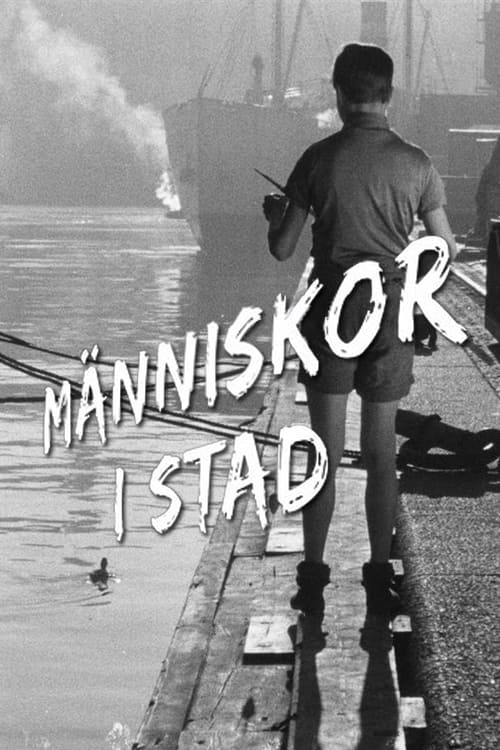
Symphony of a City
1947
No user ratings available yet
Representation score: 2.6 out of 10
Representation Score
Limited
1958
Director
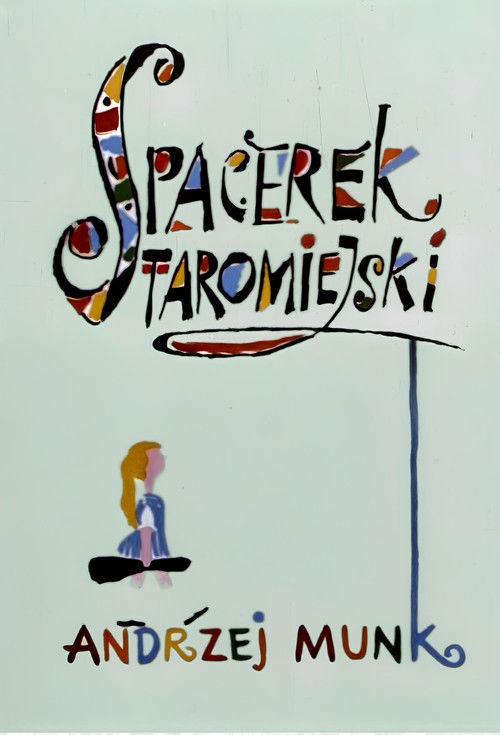
Andrzej Munk
Runtime
18 minutes
Average Rating
No ratings yetNew Showbiz Analysis
Andrzej Munk’s work moves away from the rigid, didactic structures of Socialist Realism, opting instead for psychological nuance. The film serves as a sophisticated critique of systemic oppression by dismantling traditional heroic myths of war. While it does not include modern markers like LGBTQ+ or multi-ethnic representation, it provides significant cultural critique. It replaces clear-cut morality with a complex, morally relativistic view of resistance and survival. The historical setting naturally limits demographic variety, yet the film uses this specific context to explore the experience of a underrepresented national identity under occupation.
Category Breakdown
The film does not include any characters with non-straight or non-cisgender identities, nor does it depict same-sex relationships. Instead, it focuses on the city's environment and the shared experience of resisting oppression.
Women are part of the resistance movement, breaking away from traditional domestic roles. However, the film still emphasizes male camaraderie, a common theme in wartime movies, without fully exploring gender-based dynamics.
The cast is mainly composed of people from a similar ethnic background, reflecting the demographics of WWII-era Poland. While the film addresses the experiences of a underrepresented national group under foreign control, it does not feature diverse ethnic representation.
The film stands out by questioning established power structures and challenging the legitimacy of occupying authorities. It offers a nuanced exploration of duty, survival, and the collapse of societal norms.
There are no characters with visible or invisible disabilities in the film. The story primarily focuses on the psychological impact of war on young people.
Present on Screen
Limited or Absent
Official Synopsis
A young music student strolls through Warsaw’s Old Town as the city’s everyday sounds—children, traffic, machinery, music, and passing jets—shift from background noise into a spontaneous outdoor concert.
1947

1927
1960
1929
1987
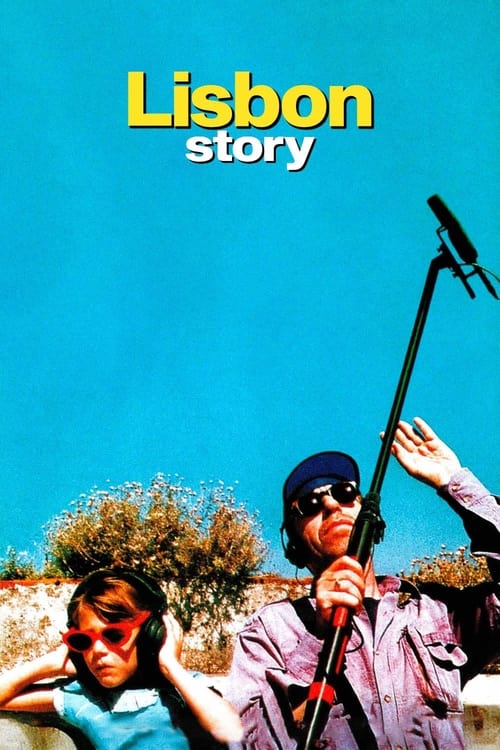
1994
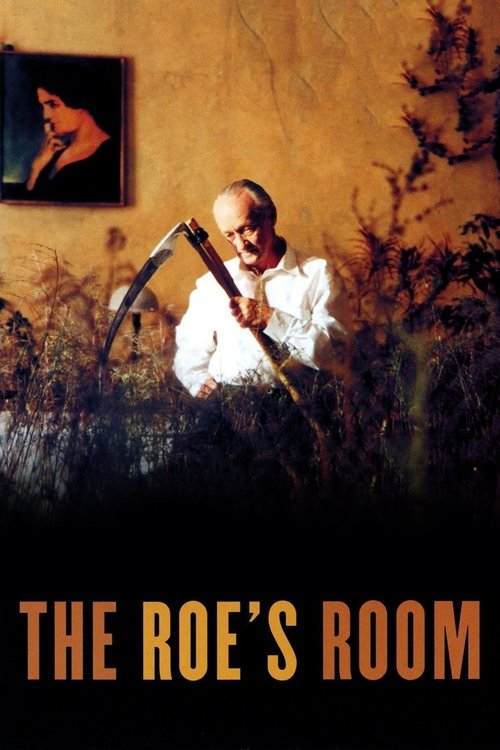
1997
![Movie poster for 2 + 2 = 22 [The Alphabet]](https://image.tmdb.org/t/p/w500/xZmFnEC2gNQq2NjIpoLYaws5TRO.jpg)
2017
No reviews yet. Be the first to share your thoughts on this movie!
Use the rating form above to leave a star rating and optional review.