
Once a Year
1971
No user ratings available yet
Diversity score: 6.1 out of 10

1999
Director
Tomris Giritlioğlu
Runtime
133 minutes
Average Rating
No ratings yetSynopsis
During the period of the Wealth Tax, where many non-Muslims in Turkey were forced to pay higher taxes, often in an arbitrary and unrealistic way. Nimet and Durmuş migrate from Niğde to Istanbul and take shelter with Durmuş's friend Bekir, who finds Durmuş a job at the inn. However, making a living by serving as a porter is not in line with Durmuş's ambitions. He wants everything Halit Bey has, the inn owner. Halit Bey begins to dispose of his property in order to pay the tax stipulated to his beloved wife Nora, who was treated in a nursing home. Wealth Tax has begun to affect everyone's destiny.
Overall Score
Good
Category Breakdown
LGBTQ+ Representation
The film lacks explicit depictions of LGBTQ+ identities or non-heteronormative relationships. The narrative focuses primarily on central romantic and familial dynamics.
Gender Representation
The story centers on the domestic and economic struggles of women like Nora. It highlights female resilience and vulnerability amidst systemic social upheaval.
Racial & Ethnic Diversity
The film provides high intersectional complexity by centering on the targeting of non-Muslim minorities during Turkey's Wealth Tax era. This disrupts homogeneous historical storytelling.
Religious & Cultural Diversity
The narrative offers a strong critique of state institutions and the arbitrary application of law. It portrays economic mechanisms as tools of oppression against specific groups.
Disability Representation
There is no discernible evidence regarding the portrayal of physical or neurodivergent disabilities within the narrative.
Strengths
Areas for Improvement
AI Analysis
Mrs. Salkim's Diamonds serves as a poignant historical critique of systemic inequality. By centering the plot on the Wealth Tax era, the film explores how institutional power can be weaponized against minority identities. It moves beyond simple drama to examine the intersection of economic policy and ethnic identity. The film's strength lies in its refusal to present a neutral historical landscape. Instead, it highlights the disruption of social stability and the vulnerability of marginalized groups. This approach provides a nuanced look at how state-driven economic shifts can dismantle the lives of specific demographic populations.
1971
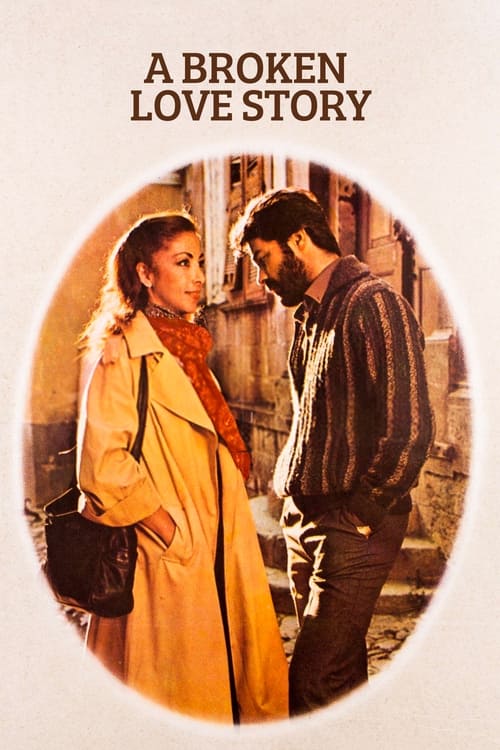
1982

1990
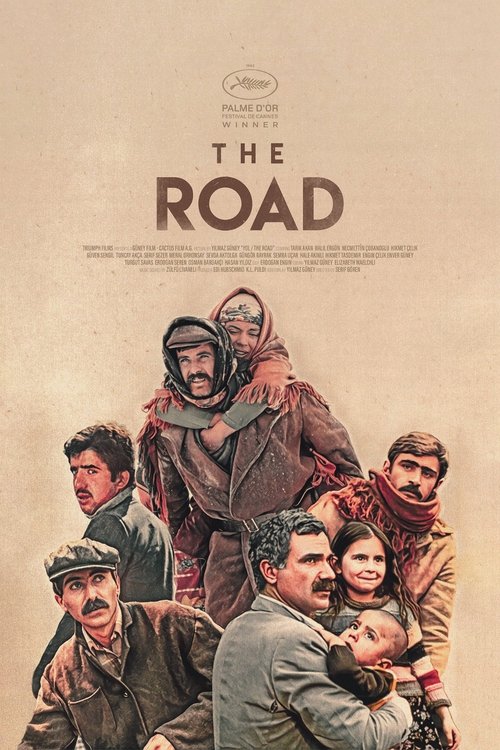
1982

1972
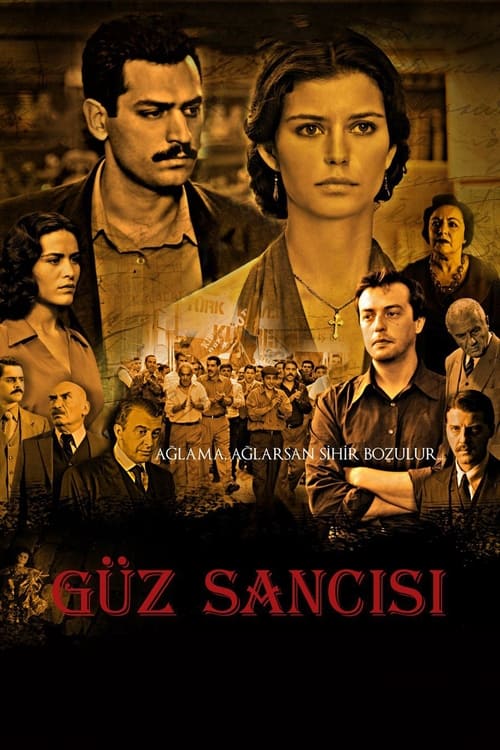
2009
No reviews yet. Be the first to share your thoughts on this movie!
Use the rating form above to leave a star rating and optional review.