
Once a Year
1971
No user ratings available yet
Representation score: 5.4 out of 10

Representation Score
Fair
1990
Director
Melih Gülgen
Runtime
95 minutes
Average Rating
No ratings yetNew Showbiz Analysis
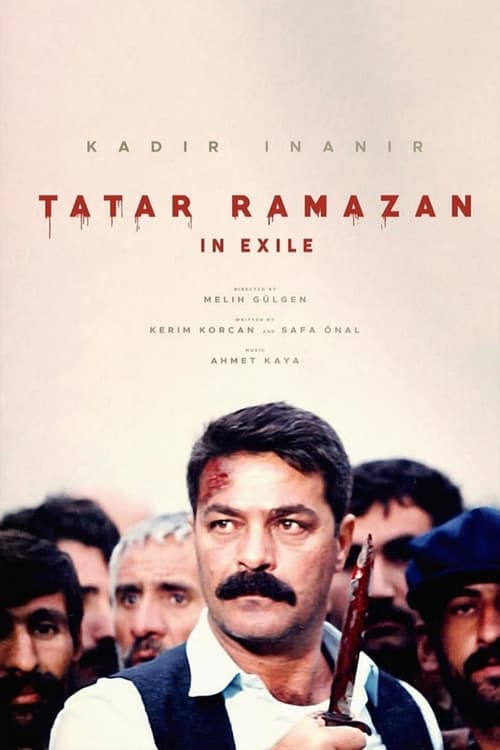
Tatar Ramazan is a work of social realism that prioritizes the tension between the individual and systemic social pressures. It succeeds by dismantling traditional village authority and framing moral relativism as a survival tool against an oppressive social fabric. While the film lacks explicit representation for LGBTQ+ identities or disabilities, it provides a sophisticated critique of institutional power. The narrative uses the protagonist's struggle to challenge the perceived legitimacy of established moral structures. Ultimately, the film's strength lies in its cultural depth and its refusal to adhere to conventional moral absolutes, even as it remains bound by the assumptions of its 1940s setting.
Category Breakdown
The film focuses on the patriarchal struggles of 1940s rural Turkey. There are no queer narratives or non-cisgender identities present in the story.
The narrative centers on a male protagonist's struggle for autonomy within a traditional patriarchal framework. It highlights systemic limitations on women but does not challenge existing gender hierarchies.
The film offers a localized exploration of ethnic and class identity in the Turkish landscape. It avoids Western-centric homogeneity by focusing on the authentic representation of the peasantry.
The story effectively critiques rigid social and religious hierarchies. It frames the protagonist's actions as a necessary rebellion against a restrictive and corrupt social order.
There is no significant evidence regarding the portrayal of physical or neurodivergent disabilities within the film.
Present on Screen
Limited or Absent
Official Synopsis
In 1942 during the time of war, Tatar Ramazan goes to jail because murder after argument on lands. When he gets out, he finds out that the life outside is much harder.
1971

1982

1972

1965

1972
1992
1971

2008
No reviews yet. Be the first to share your thoughts on this movie!
Use the rating form above to leave a star rating and optional review.