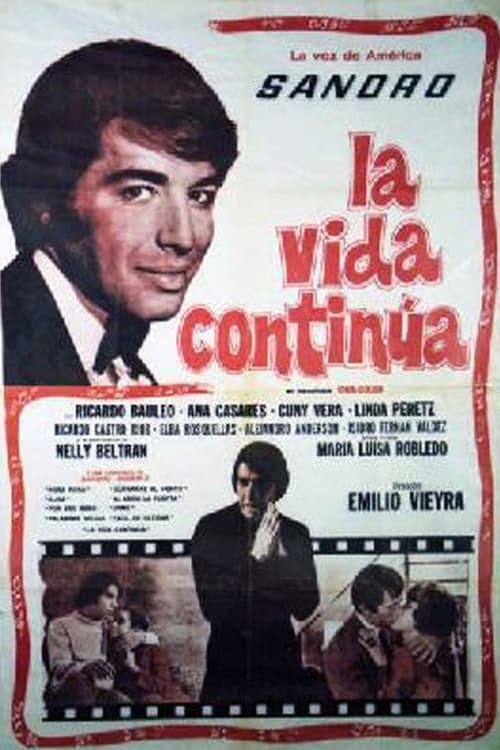
La vida continúa
1969
No user ratings available yet
Diversity score: 3.0 out of 10
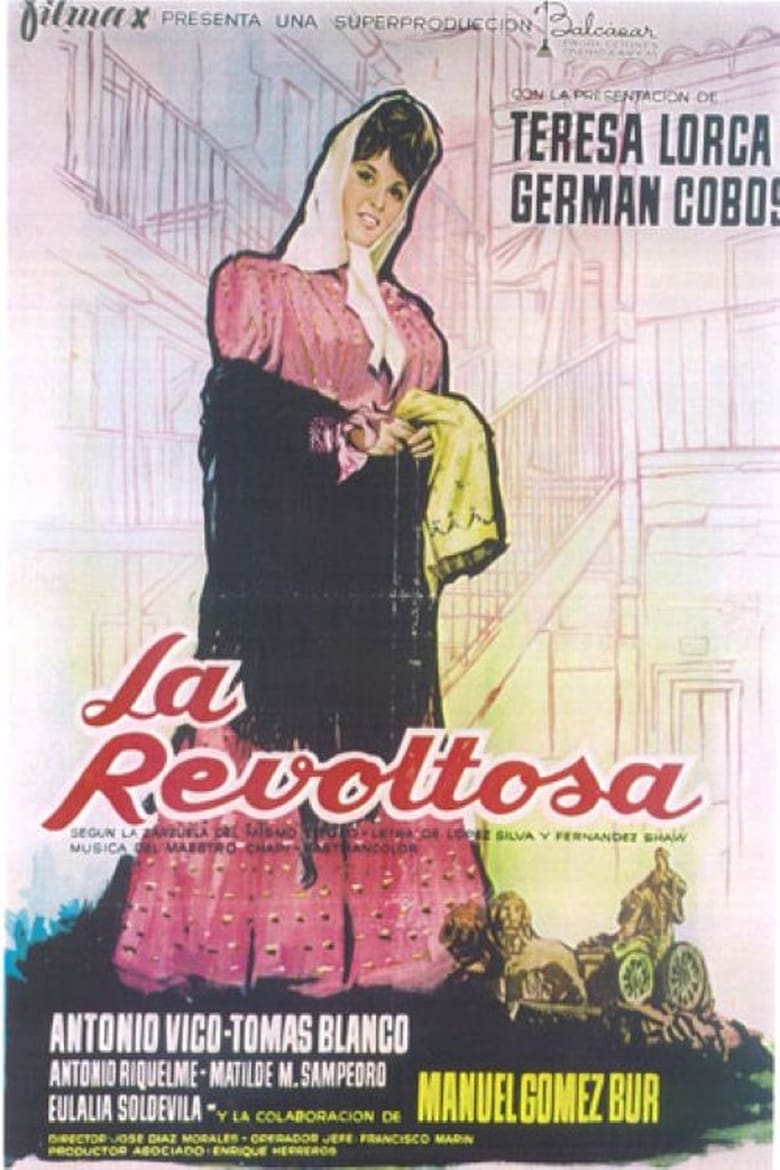
1963
Director
José Díaz Morales
Runtime
95 minutes
Average Rating
No ratings yetSynopsis
Mari Pepa, a beautiful laundress of Madrid, and Felipe, a carpenter, are in love but they are always quarreling over trifles. However, she must marry with the fence Don Leo to help his father, a drunk player who has committed a robbery and has determined the family jewels.
Overall Score
Limited
Category Breakdown
LGBTQ+ Representation
The film adheres to traditional romantic tropes centered on a heterosexual pairing. There is no evidence of non-cisnormative identities or critiques of heteronormativity.
Gender Representation
Mari Pepa is a spirited central figure, yet her agency is framed through romantic conflict. Female agency is often negotiated through marriage and social necessity.
Racial & Ethnic Diversity
The setting is highly homogeneous, reflecting a specific urban working-class Madrid. It lacks intersectional racial blending or diversity beyond the local ethnic context.
Religious & Cultural Diversity
The film explores socioeconomic stratification among the working class. It operates within established social mores rather than deconstructing traditional religious or familial institutions.
Disability Representation
There are no prominent depictions of physical or neurodivergent disabilities that serve as central narrative elements.
Strengths
Areas for Improvement
AI Analysis
La revoltosa functions as a period-specific cultural artifact that prioritizes regional authenticity over progressive disruption. It excels at capturing the granular social strata of Madrid's working class through archetypal characters like laundresses and carpenters. However, the film remains tethered to the conventional hierarchies of its era. The narrative focuses on localized complexities rather than challenging systemic social structures or providing intersectional representation. Ultimately, the work serves as a celebration of a specific socioeconomic milieu, staying within the bounds of traditional Spanish comedic genres.
1969
1969
1947
1966
1944
1934
1932
1952
1963
1984
1949

1958
No reviews yet. Be the first to share your thoughts on this movie!
Use the rating form above to leave a star rating and optional review.