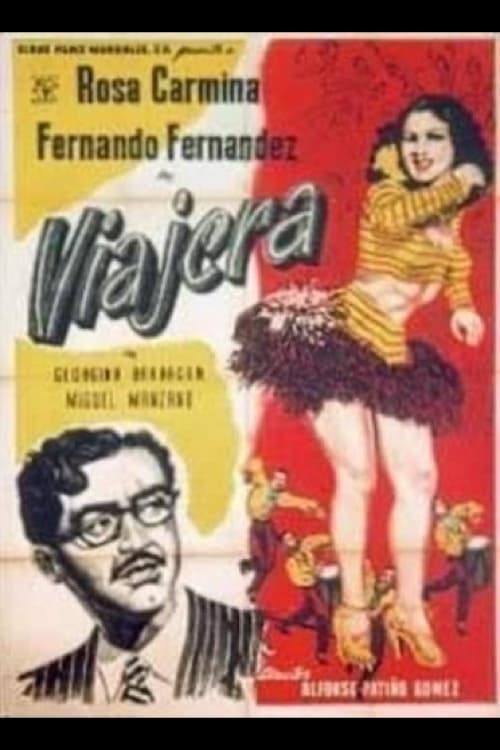
Viajera
1952
No user ratings available yet
Representation score: 4.4 out of 10
Representation Score
Limited
1938
Director
Leopoldo Torres Ríos
Runtime
85 minutes
Average Rating
No ratings yetNew Showbiz Analysis
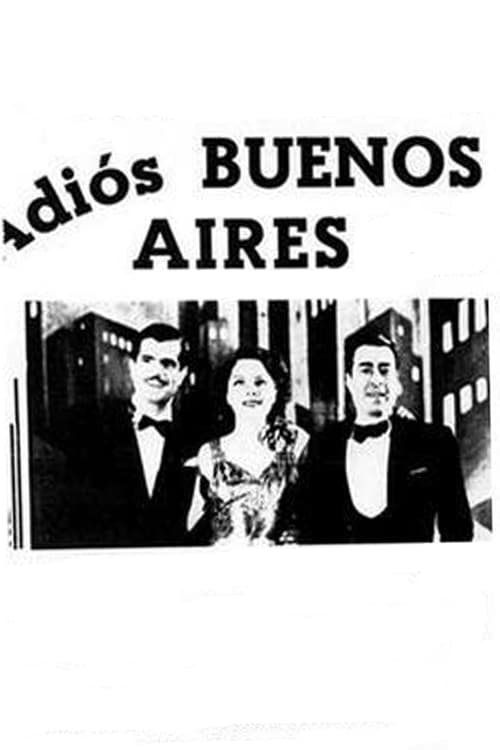
Adiós Buenos Aires serves as a cultural artifact of the Argentine Golden Age. While it highlights female performers, the narrative structure remains tied to the conventional social hierarchies of the late 1930s. The film emphasizes musical escapism and traditional storytelling over the deconstruction of systemic power dynamics. Its focus on individual success and professional chance reinforces established norms without challenging them. Ultimately, the work reflects the demographic and social homogeneity of its era, celebrating local culture without addressing multi-layered issues.
Category Breakdown
The film does not include any non-straight identities or queer narratives. It follows the assumption that everyone is straight or cisgender, which was typical of 1930s Argentine musical cinema.
Female leads are visible, but the central plot revolves around men's control over songwriting. Women play significant roles in music but within traditional gender hierarchies.
Casting likely reflects the demographic homogeneity of the era. There is no documented evidence of diverse casting or challenging Eurocentric beauty standards.
The film celebrates local musical traditions and the urban identity of Buenos Aires. It reinforces traditional structures through the escapism and sentimentality of the musical genre.
There is no evidence that disability, neurodivergence, or chronic illness are addressed as narrative elements in this work.
Present on Screen
Limited or Absent
Official Synopsis
A freakish coincidence brings together a songwriter and the lyricist from whom he inadvertently stole the lyrics to a hit song.
1952
1951

1940
1949
1929

1958

1949
1933
No reviews yet. Be the first to share your thoughts on this movie!
Use the rating form above to leave a star rating and optional review.