El Noa Noa
1981
No user ratings available yet
Representation score: 5.7 out of 10
Representation Score
Fair
1980
TV-PGDirector
Felipe Cazals
Runtime
88 minutes
Average Rating
No ratings yetNew Showbiz Analysis
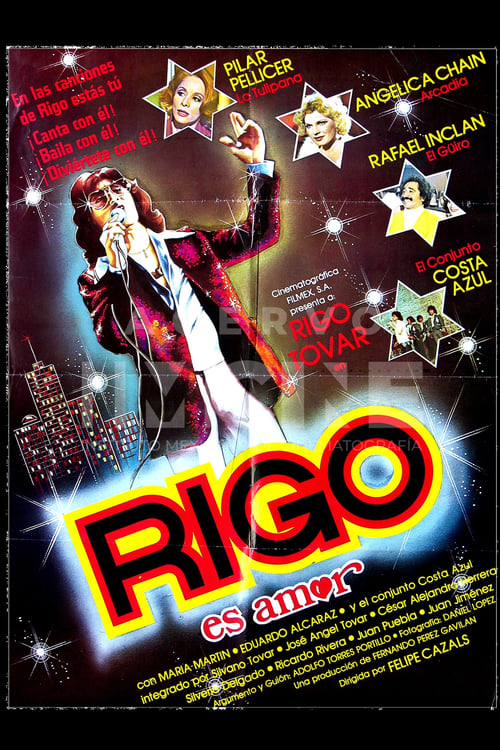
Rigo is Love offers a gritty look at life within the Mexican cabaret subculture. By using social realism, the film avoids the polished, idealized romance clichés common in mainstream cinema, focusing instead on the friction of addiction and survival. The film succeeds in centering a non-Western perspective and highlighting underrepresented social strata. It provides a culturally specific lens that challenges the dominance of Anglo-centric storytelling through its focus on working-class struggles. However, the narrative lacks explicit representation for LGBTQ+ identities and disability. While the setting implies a diverse social environment, the primary plot remains focused on a traditional heterosexual pairing and personal character flaws.
Category Breakdown
The story focuses on a heterosexual relationship between Rigo and La Tulipana. There are no characters or narratives that challenge the assumption that everyone is straight or cisgender.
La Tulipana works as a fichera, a role that balances economic independence with systemic exploitation. The plot explores how she copes with the instability caused by Rigo's alcoholism.
As a Mexican production, the film centers on a non-Anglo-Saxon perspective. It provides a meaningful departure from Western-centric lenses by focusing on Latin American working-class life.
The film uses social realism to critique traditional stability. By focusing on cabaret subcultures and the tension of alcoholism, it avoids idealized or moralistic portrayals of domestic life.
The narrative does not feature characters navigating physical or neurodivergent disabilities. Alcoholism is treated as a central character conflict rather than a study of disability.
Present on Screen
Limited or Absent
Official Synopsis
Rigo and la Tulipana meet at the cabaret where they work, he as a singer and she as a fichera. They live an intense love, but Rigo's alcoholism is a source of constant tension.
1981
1984
1988

1953

1972
1939
1983

1959
No reviews yet. Be the first to share your thoughts on this movie!
Use the rating form above to leave a star rating and optional review.