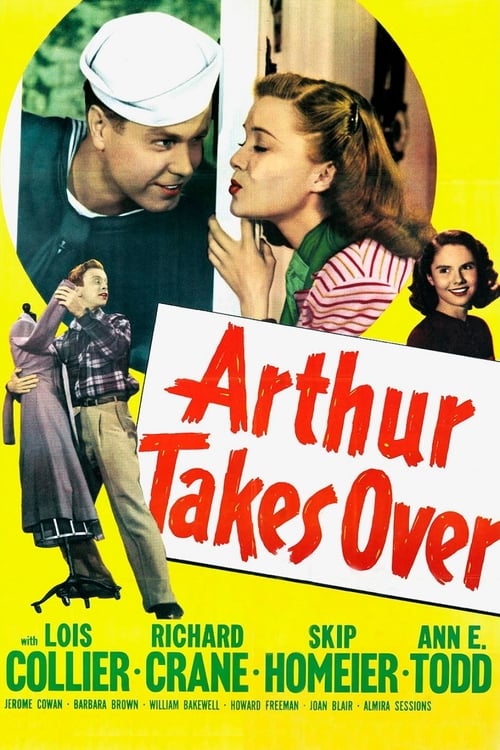
Arthur Takes Over
1948
No user ratings available yet
Representation score: 1.4 out of 10
Representation Score
Minimal
1945
ApprovedDirector
Richard Whorf
Runtime
92 minutes
Average Rating
No ratings yetNew Showbiz Analysis
The film adheres to the conventions of the 1945 Hollywood studio system, prioritizing conventional storytelling and traditional moral frameworks. It reinforces the era's prevailing social norms rather than challenging them. Narratively, the film relies on established romantic clichés and straight-centered structures. The lack of diverse casting and multi-layered complexity reflects the mainstream studio productions of the mid-1940s. Ultimately, the work upholds social cohesion by centering on the sanctity of marriage and the nuclear family, offering a homogeneous perspective that lacks significant representation of underrepresented groups.
Category Breakdown
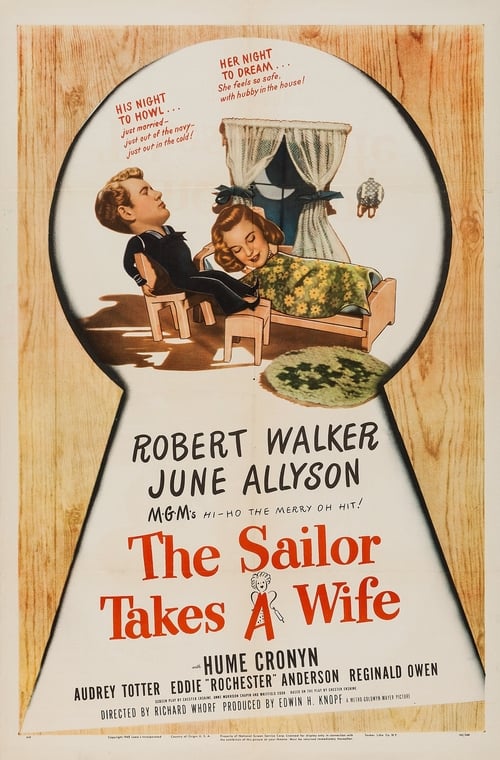
The film follows a strictly heterosexual storyline, focusing on a romance between a male sailor and a female hostess. It does not include any non-straight or non-cisgender identities.
Traditional gender roles dominate the narrative, emphasizing the male protagonist's adjustment to civilian life and the female lead's limited role in the initial courtship.
The cast appears uniformly white, reflecting the era's tendency to depict Western social norms as the norm. There are no characters of color driving the story.
The story upholds traditional Western institutions like marriage and military service, reinforcing the stability of the nuclear family unit without offering any secularist or anti-Western critiques.
A medical reclassification serves merely as a plot device to trigger romantic conflict. The film lacks any meaningful exploration of disability or characters with significant control over their lives.
Present on Screen
Limited or Absent
Official Synopsis
While waiting in New York City to ship out to Europe, a sailor stops by a serviceman's canteen and meets a USO hostess. They immediately fall for each other and get married that night. However, when the sailor is notified that he has been reclassified as 4-F (unfit for service) by the Navy and then discharged, he and his new wife realize that, having to set up house before they expected to, they actually know very little about each other. Complications ensue.
1948

1944

1946

1949

1947

1952

1945

1940
No reviews yet. Be the first to share your thoughts on this movie!
Use the rating form above to leave a star rating and optional review.