
They Who Dare
1954
No user ratings available yet
Diversity score: 0.9 out of 10
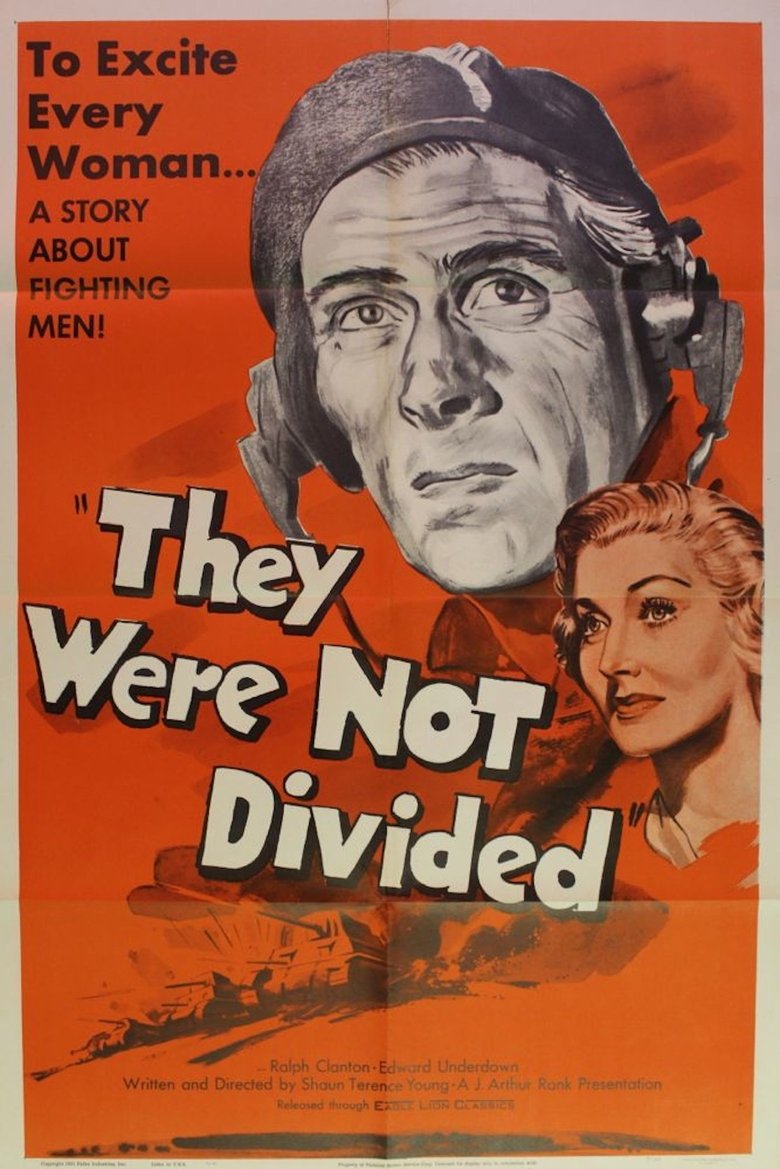
1950
ApprovedDirector
Terence Young
Runtime
102 minutes
Average Rating
No ratings yetSynopsis
The film begins in a WW II training depot of a British Guards armoured regiment where recruits from many walks of life learn to survive the strict discipline and training together before going into battle in tanks. There is a cameo appearance by the real Sgt. Major Brittain who was famous in the British guards regiments.
Overall Score
Limited
Category Breakdown
LGBTQ+ Representation
The film adheres to the heteronormative standards typical of 1950s military narratives. There is no evidence of non-cisnormative identities or critiques of traditional social structures.
Gender Representation
Set within a male-dominated armoured regiment, the film reinforces traditional masculine leadership. It lacks female characters with significant agency or the subversion of gender hierarchies.
Racial & Ethnic Diversity
Recruits are described as coming from many walks of life, likely referring to class rather than ethnicity. The cast appears to reflect a homogeneous British force.
Religious & Cultural Diversity
The narrative validates patriotism and military authority through its focus on institutional cohesion. It aligns with traditional Western values of duty and state-sanctioned discipline.
Disability Representation
There is no information regarding the depiction of physical or neurodivergent disabilities within the training depot setting.
Strengths
Areas for Improvement
AI Analysis
This 1950 war film functions as a traditionalist celebration of British military discipline and national unity. The narrative focuses on the cohesion of an armoured regiment, prioritizing institutional stability and patriotism over social subversion. The film reflects the era's cinematic constraints, emphasizing socio-economic class distinctions rather than racial or ethnic diversity. It presents a largely homogeneous view of the British forces during World War II. Ultimately, the work serves to reinforce established hierarchies and masculine ideals, offering very little representation of marginalized identities or alternative cultural perspectives.
1954
1953
1958
1954
1955
1945
2014
1952
1958
2007
1955
1942
No reviews yet. Be the first to share your thoughts on this movie!
Use the rating form above to leave a star rating and optional review.