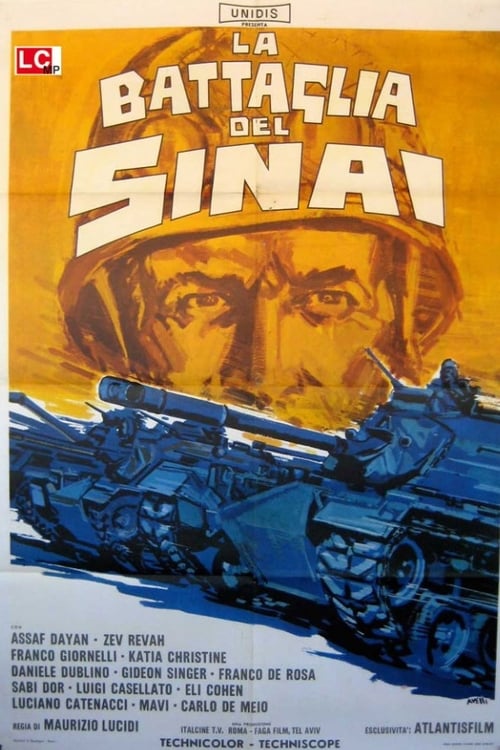
Five Days in Sinai
1968
No user ratings available yet
Diversity score: 2.5 out of 10

1954
Director
Duilio Coletti
Runtime
85 minutes
Average Rating
No ratings yetSynopsis
In the summer of 1942, during the Second World War, a group of young paratroopers from the Folgore Division, after having been subjected to a long and tiring training in Italy, was transported by air to the Libyan desert to cover the Italian-German front.
Overall Score
Limited
Category Breakdown
LGBTQ+ Representation
The film lacks LGBTQ+ characters or narratives. It adheres to the strict social and cinematic codes of 1954, which largely omitted non-heteronormative identities.
Gender Representation
The story centers on male paratroopers, reinforcing traditional masculine military archetypes. There is no indication of female agency or the subversion of gender roles.
Racial & Ethnic Diversity
While set in the Libyan desert, the focus remains on Italian paratroopers. The narrative likely views the North African setting through a Eurocentric lens.
Religious & Cultural Diversity
The film prioritizes themes of patriotism and institutional loyalty. It aligns with traditional mid-century nationalistic storytelling rather than offering secular or anti-Western critiques.
Disability Representation
There is no evidence of characters with physical or neurodivergent disabilities being utilized as central plot points or being afforded specific agency.
Strengths
Areas for Improvement
AI Analysis
Divisione Folgore is a traditional historical war drama that reflects the institutional and nationalistic perspectives of mid-century European filmmaking. The narrative is built around military duty and the experiences of Italian paratroopers during World War II. The film operates within a conventional patriarchal framework, focusing almost exclusively on masculine archetypes. It lacks intersectional complexity, as it does not engage with diverse identities or social critiques. Ultimately, the work functions as a period-accurate depiction of military history that adheres to the social hierarchies and cinematic conventions prevalent in 1954.
1968
1953
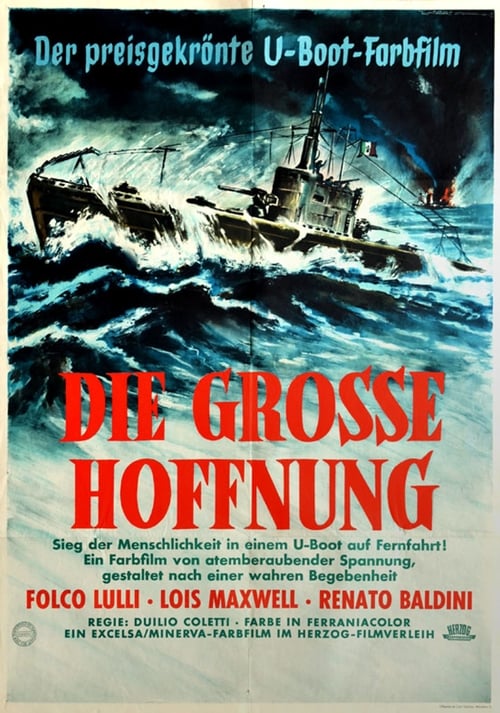
1954
2014
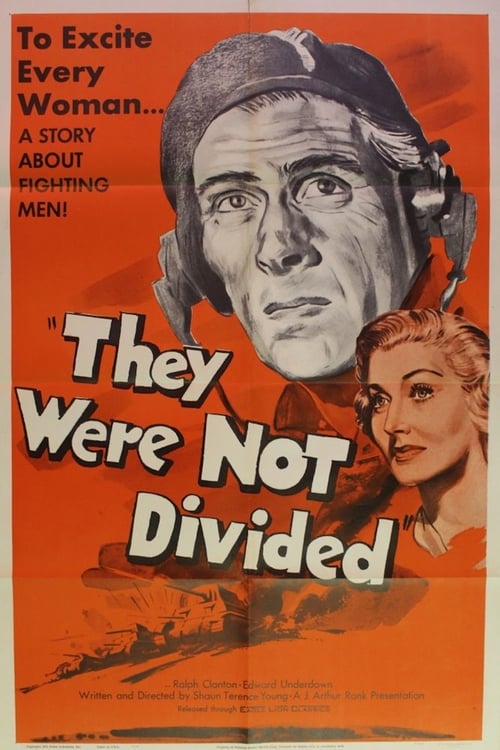
1950
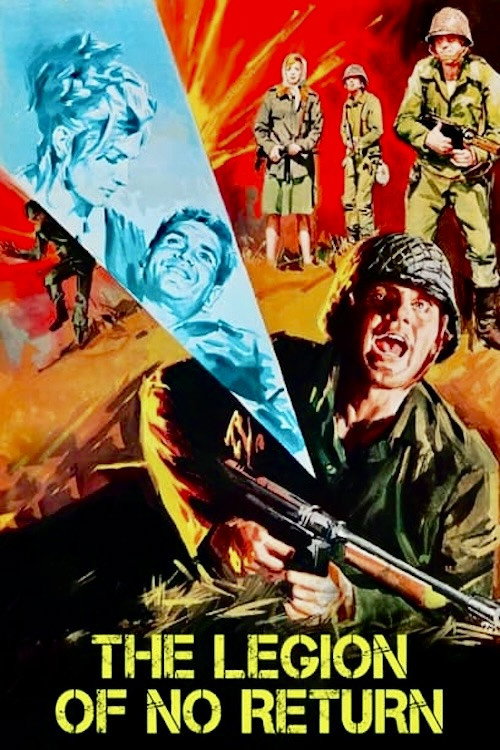
1969
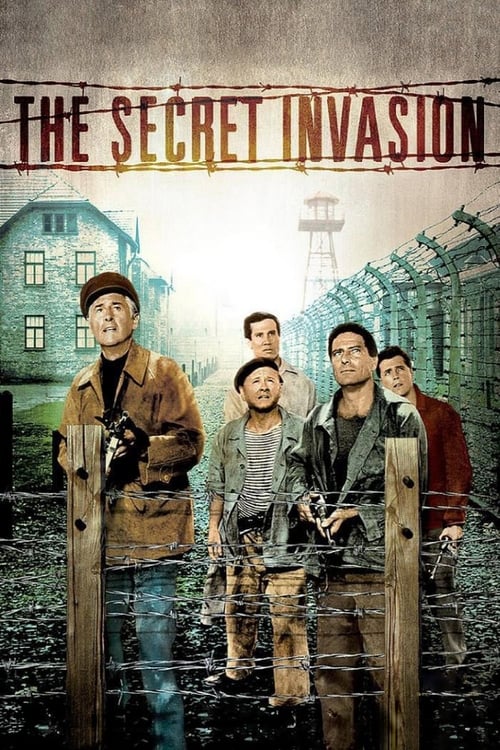
1964
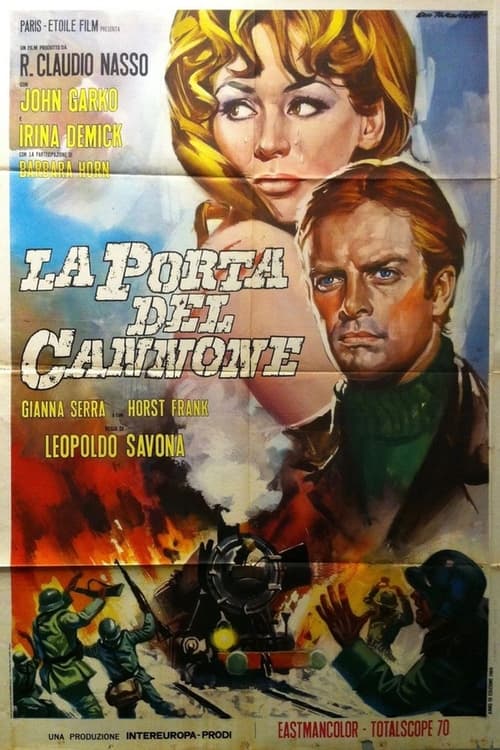
1969
1950

2012

1954
2021
No reviews yet. Be the first to share your thoughts on this movie!
Use the rating form above to leave a star rating and optional review.