
Stare
2020
No user ratings available yet
Representation score: 6.9 out of 10
Representation Score
Excellent
2013
Director
Mari Asato
Runtime
119 minutes
Average Rating
No ratings yetNew Showbiz Analysis
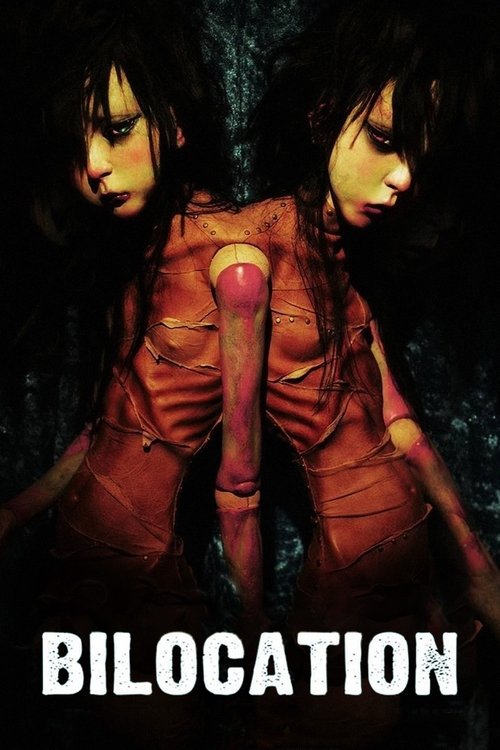
Mari Asato’s *Bilocation* is a character-driven exploration of identity that prioritizes psychological depth over typical horror elements. The film challenges traditional gender hierarchies by focusing on female consciousness and maternal bonds. While the film is intellectually sophisticated in its treatment of postmodernism and the instability of identity, it remains culturally homogeneous. The lack of diverse ethnic representation and explicit LGBTQ+ character arcs limits its broader social inclusivity. Ultimately, the film's strength lies in its refusal to use psychological fragmentation as a cheap plot device, instead using it to question the nature of human existence.
Category Breakdown
The film doesn't show explicit same-sex relationships or non-binary gender identities. However, it focuses on identity fluidity, which aligns with queer theory concepts.
The story centers on the inner lives of women, disrupting traditional patriarchal storytelling by highlighting their psychological struggles.
Set in modern Japan, the film maintains a culturally uniform environment. It avoids whitewashing but doesn't actively include diverse racial backgrounds.
The story explores postmodern themes by deconstructing a unified reality. It emphasizes the subjective nature of existence and the self.
The film depicts complex psychological states and unusual cognitive experiences. It avoids using mental instability as mere horror clichés.
Present on Screen
Limited or Absent
Official Synopsis
Shinobu Takamura is an aspiring painter. One day, she is accused of using counterfeit money. Shinobu is confused by the allegation, because she never did such a thing and was at home when the crime occurred. Police Officer Kanou then appears and takes her to a place. When they get there, a group of people are already gathered. All of the people there are concerned over a doppelganger like existence that looks just like them and acts like them. They call that existence "bilocation".
2020
2007

2003

2019

2013

2018
2004

2013
No reviews yet. Be the first to share your thoughts on this movie!
Use the rating form above to leave a star rating and optional review.