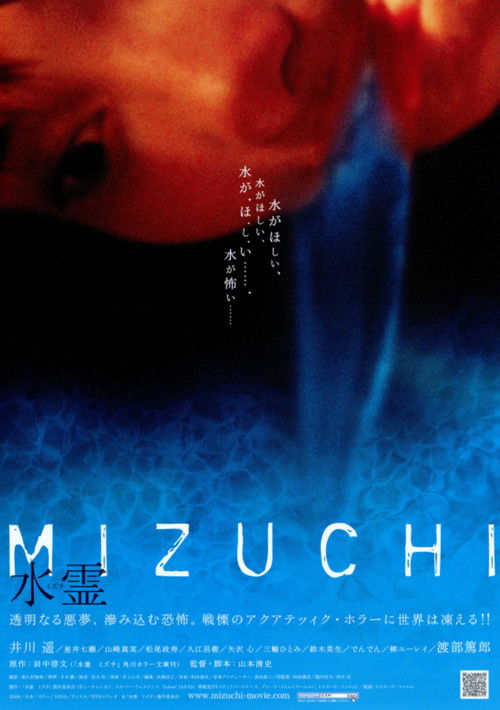
Death Water
2006
No user ratings available yet
Representation score: 6.5 out of 10
Representation Score
Good
2020
Director
Otsuichi
Runtime
98 minutes
Average Rating
No ratings yetNew Showbiz Analysis
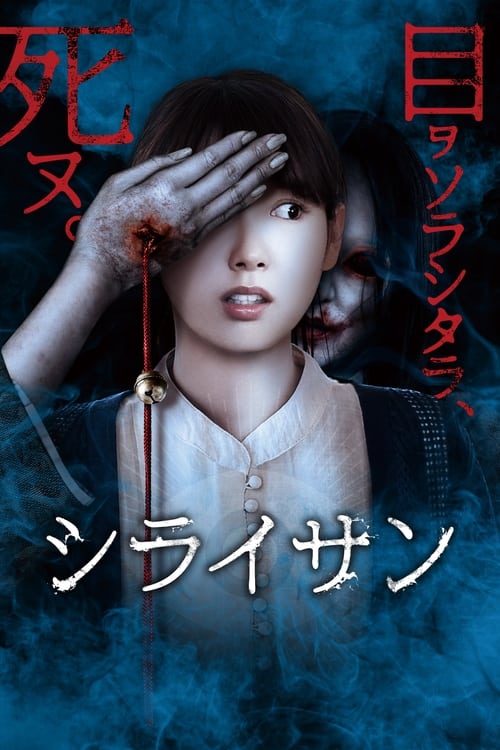
Stare adopts a psychological approach to horror that emphasizes character's ability to drive the story over mindless spectacle. By making Mizuki the intellectual driver of the mystery, the film sidesteps typical damsel-in-distress clichés. However, the film's diversity is constrained by its narrow focus. The absence of LGBTQ+ representation and the reliance on physical trauma as a horror tool indicate a narrative that adheres to traditional genre conventions. While the film excels in providing a strong female lead, it falls short in achieving a broader range of diversity.
Category Breakdown
The film does not include explicit LGBTQ+ identities or non-straight relationships. The story focuses on a mystery involving Mizuki and Haruo without any clear queer undertones.
Mizuki is portrayed as an active protagonist who drives the investigation alongside Haruo, challenging typical horror stereotypes about women.
As a Japanese production, the film reflects a specific cultural context. There is no whitewashing, but the cast lacks explicit multi-ethnic diversity.
The story delves into existential dread and the collapse of rational systems through the mystery of 'Shirai-san.' It emphasizes subjective experience over traditional empirical views.
Physical trauma, such as damaged eyes, serves primarily as a horror element. The film does not explore lived experiences with disability or provide meaningful character-driven ability to act.
Present on Screen
Limited or Absent
Official Synopsis
Dead bodies with eyeballs ruptured are continuously found. Their direct causes of death are heart attacks and they acted like they were possessed right before their deaths. Mizuki is a university student. Her friend dies in front of her. Meanwhile, Haruo’s younger brother dies. Mizuki and Haruo begin to investigate together. They learn that Eiko holds a key to the mystery. Soon, Eiko's eyeballs rupture and she dies by a heart attack. Before she dies, she mentions the word "Shirai-san.”
2006
2000
2012

1997
2020
2014
2025
2017
No reviews yet. Be the first to share your thoughts on this movie!
Use the rating form above to leave a star rating and optional review.