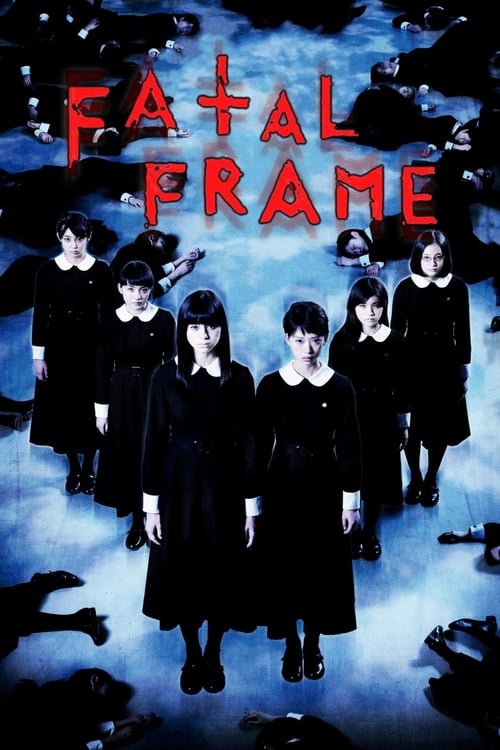
Fatal Frame
2014
No user ratings available yet
Representation score: 7.0 out of 10
Representation Score
Fair
2011
TV-14Director
Mari Asato
Runtime
94 minutes
Average Rating
No ratings yetNew Showbiz Analysis
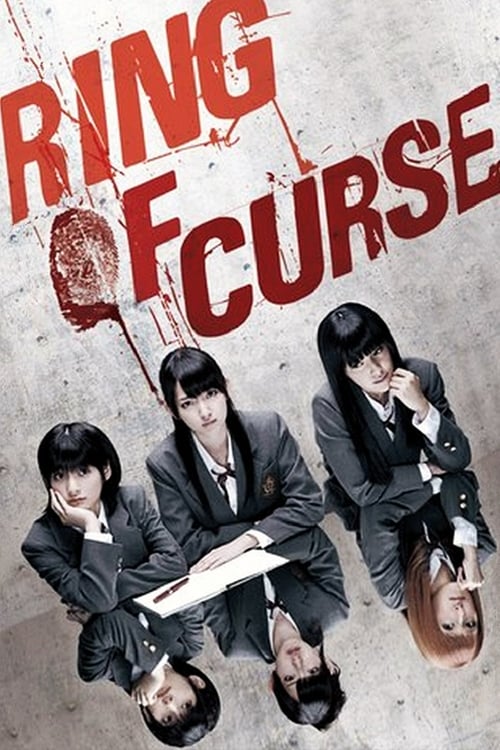
Ring of Curse is a genre-driven exploration of psychological isolation. It centers on a socially isolated student, using the archetype of the 'outsider' to create tension within a localized Japanese setting. The film avoids reinforcing traditional hierarchies by focusing on a solitary figure, yet it lacks the intentional demographic subversion or layered representation needed for a higher score. It prioritizes psychological horror over broader cultural diversity.
Category Breakdown
The film does not include any explicit references to LGBTQ+ identities or relationships that go beyond the assumption that everyone is straight. While the theme of social exclusion might relate to queer experiences, the film does not provide specific character details that confirm this.
The movie follows typical genre conventions for Japanese school-based horror. Although it likely includes female protagonists, there is no clear evidence of challenging traditional gender roles or breaking down conventional ideas of masculinity and femininity.
Given its Japanese setting, the film operates within a predominantly homogeneous cultural context. It avoids harmful stereotypes but does not use multicultural casting to challenge traditional demographic norms.
The story delves into social alienation and the pressures of conformity through a character with lethal writing abilities. This provides a moderate engagement with non-traditional social structures and individual empowerment.
The 'loner' character might symbolize neurodivergence or social anxiety. However, without explicit confirmation, the character remains a horror device rather than a realistic portrayal of lived disability.
Present on Screen
Limited or Absent
Official Synopsis
In observing a solitary classmate, a student begins to suspect that the loner has the ability to write words that will kill those who read them.
2014
2000
2015

2014

2014
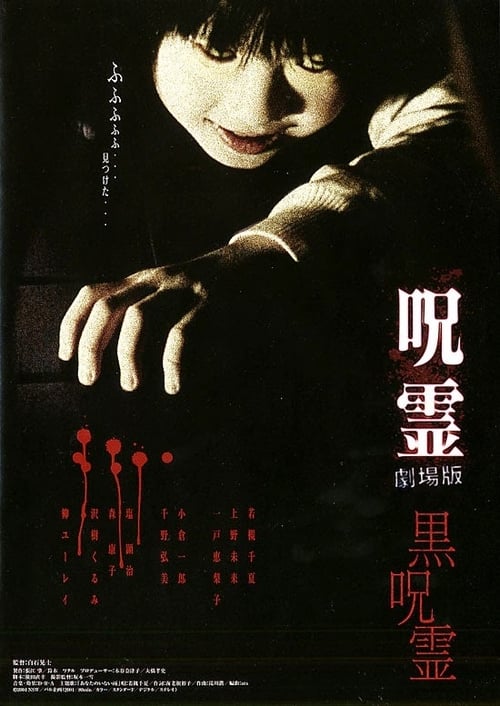
2004
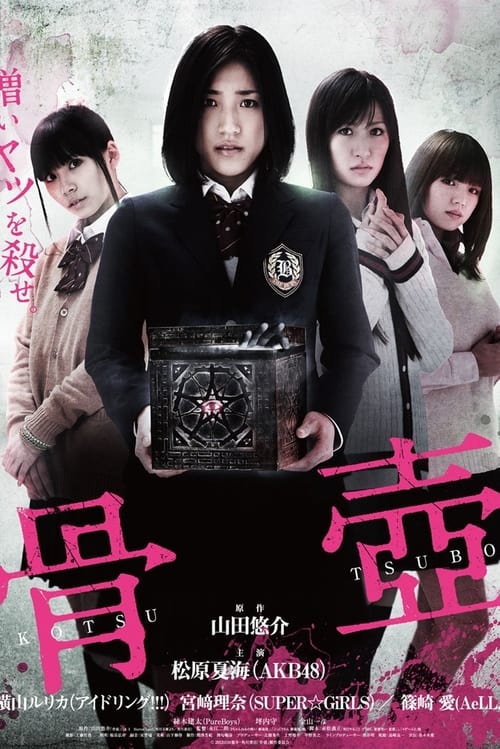
2012
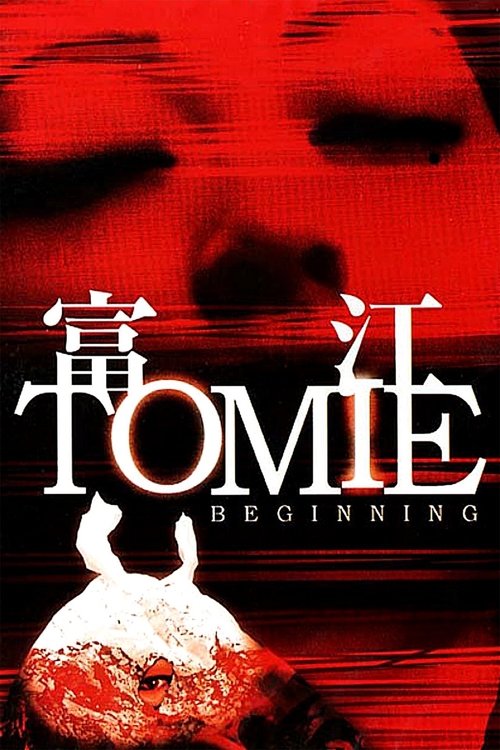
2005
No reviews yet. Be the first to share your thoughts on this movie!
Use the rating form above to leave a star rating and optional review.