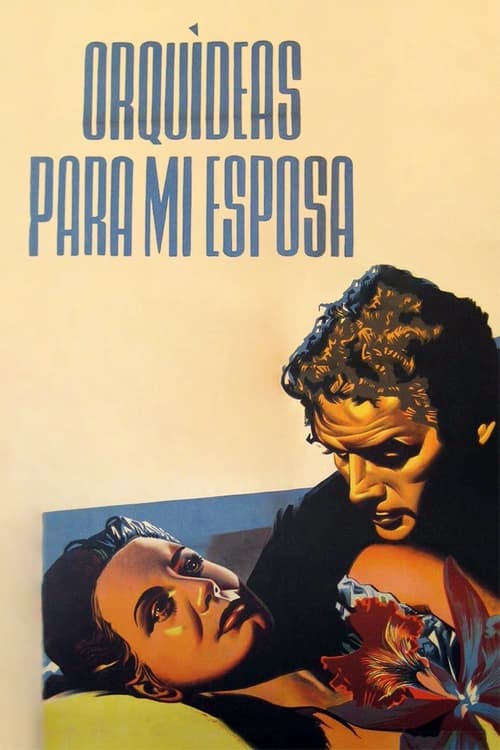
Orquídeas para mi esposa
1954
No user ratings available yet
Representation score: 2.7 out of 10
Representation Score
Limited
1954
Director
Julián Soler
Runtime
106 minutes
Average Rating
No ratings yetNew Showbiz Analysis
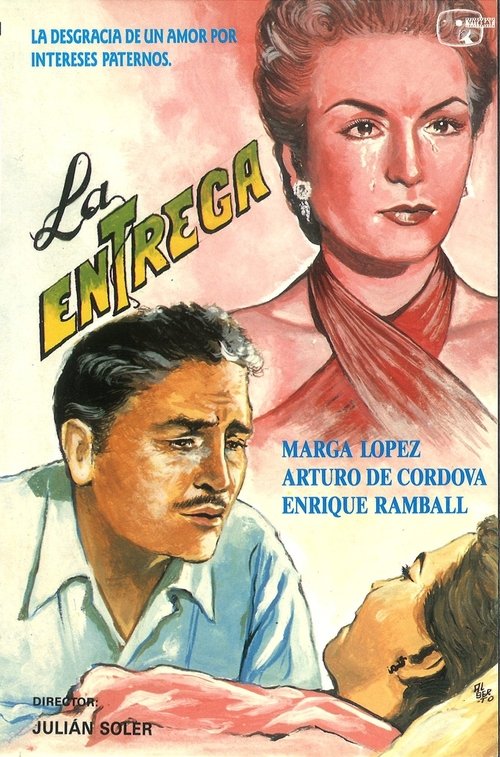
La entrega is a product of the Golden Age of Mexican cinema, reflecting the era's emphasis on traditional dramatic structures and established social hierarchies. The film prioritizes conventional moral frameworks and patriarchal stability over systemic disruption. The narrative centers on a male-driven power dynamic, where the protagonist's philanthropic empire takes precedence over his wife's emotional role. This reinforces mid-century gender roles and socioeconomic status quo. While the film offers a departure from Anglo-centric Hollywood standards through its Mestizo-centric casting, it remains culturally homogeneous, lacking the multi-layered complexity found in more progressive modern works.
Category Breakdown
The film does not include any characters with non-traditional gender identities or challenge the idea that everyone is straight. It follows the traditional social norms of 1954 Mexican cinema.
There is a clear power imbalance between a dominant male philanthropist and his wife, who seems to have limited influence over her life. The female character appears to be confined to a domestic or emotional role.
The film likely features a predominantly Mestizo cast, which was common in the Mexican film industry of the time. However, it reinforces a homogeneous cultural identity rather than exploring diverse ethnic backgrounds.
The story focuses on a philanthropist, likely reinforcing conventional morality and patriarchal family structures. It operates within established socioeconomic hierarchies without challenging them.
There is no evidence of characters with visible or invisible disabilities in the available records.
Present on Screen
Limited or Absent
Official Synopsis
Through hard work, the Spaniard Alejandro has become wealthy and powerful. In contrast, the banker Don Victorino—who once refused a loan to the then-poor Alejandro—has fallen on difficult times. Victorino is married to Ana, who spends her life playing the piano, and they are the parents of the proud Julia, who is engaged to Enrique Régules. Julia is forced to marry Alejandro in order to save her family’s financial situation. Despite her husband’s blunt and often harsh honesty, Julia gradually finds herself falling in love with him, and vainly tries to make him jealous with Licenciado Héctor, who courts her. Julia becomes nervously ill, troubled by the fact that Alejandro does not love her in the romantic, storybook way she longs for.
1954
1961
1972
1958
1949
1951
1947
1955
No reviews yet. Be the first to share your thoughts on this movie!
Use the rating form above to leave a star rating and optional review.