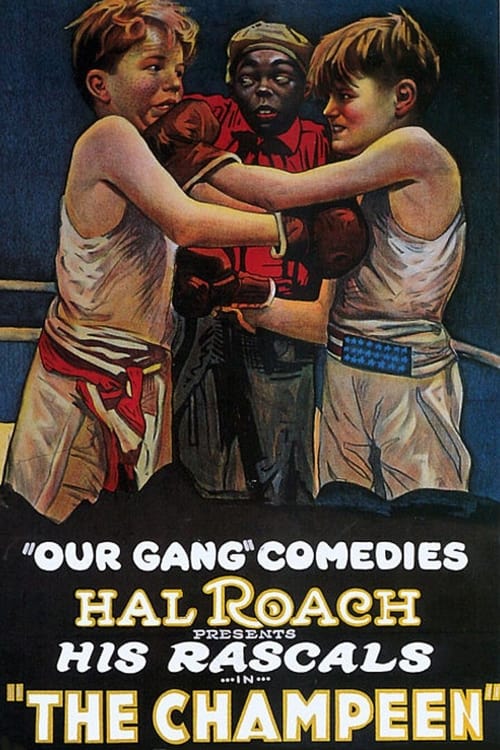
The Champeen
1923
No user ratings available yet
Representation score: 0.4 out of 10
Representation Score
Limited
1929
Director
Robert A. McGowan
Runtime
17 minutes
Average Rating
No ratings yetNew Showbiz Analysis
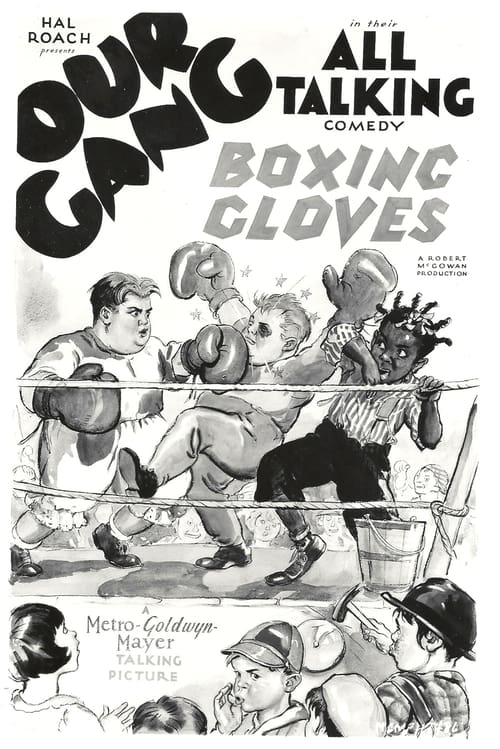
Boxing Gloves is a product of the early 20th-century studio system, prioritizing ensemble-driven comedy over modern diversity. While it lacks contemporary social depth, its roots in the Hal Roach lineage suggest a departure from the era's rigid social hierarchies. The film's strength lies in its portrayal of diverse child collectives, challenging the homogeneous casting standards of the time. However, the narrative remains centered on traditional masculine pursuits and conventional social structures.
Category Breakdown
The film does not include any LGBTQ+ characters or non-assuming gender matches what was assigned at birth identities. It focuses on traditional comedic themes of childhood rivalry and athletic competition.
The plot centers on male-dominated activities like boxing and features several male protagonists. While Farina acts as a plot catalyst, the primary ability to act remains with the boys.
The film includes Farina, suggesting integrated social dynamics typical of the Our Gang series. This likely provides a level of diversity uncommon for 1929 cinema.
The story follows conventional early 20th-century social norms centered on organized play. It focuses on the communal experience of sport rather than specific cultural or secular themes.
There are no visible or invisible disabilities depicted in the narrative. No characters use disability as a plot device.
Present on Screen
Limited or Absent
Official Synopsis
The Rascals have a boxing arena that could pack them in if they could find fighters who would actually mix it up. Harry and Farina notice a rivalry between two very large young kids, Joe and Chubby, that would fill the bill if only the two heavyweights would put aside their gentle natures. Farina gets an idea: tell each of the lads that the other will take a dive in the second round. So the fight begins and the stands are filled; but will the combatants actually throw a punch? Ernie has one more trick up his sleeve to get the fists flying and the crowd on its feet. Sweet science indeed.
1923
1937
1937
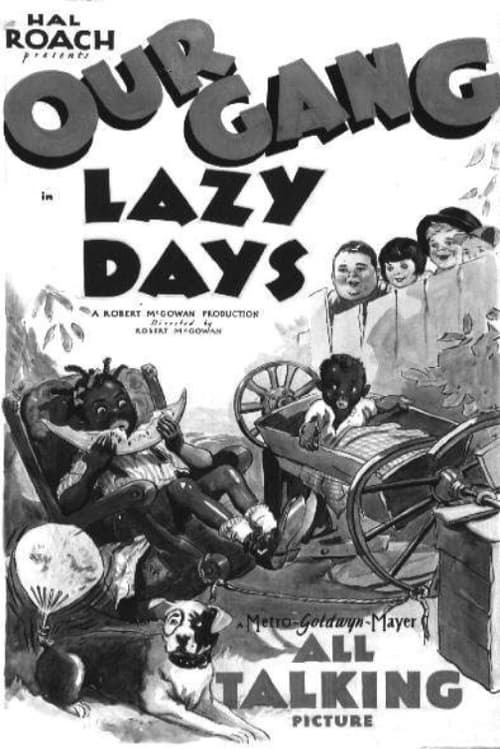
1929
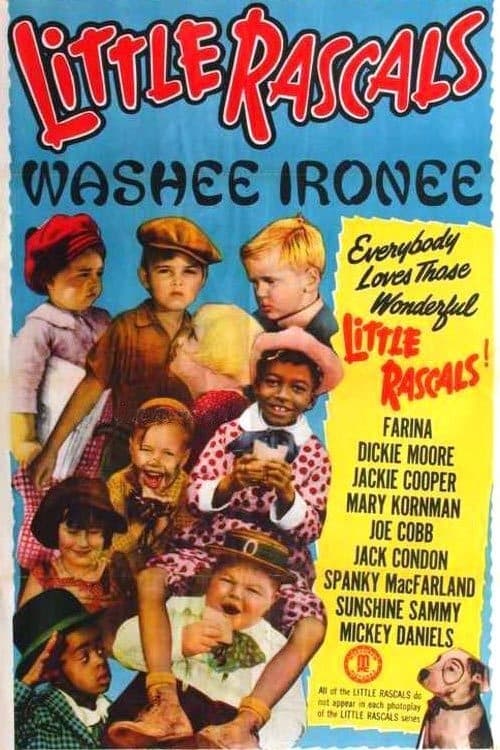
1934
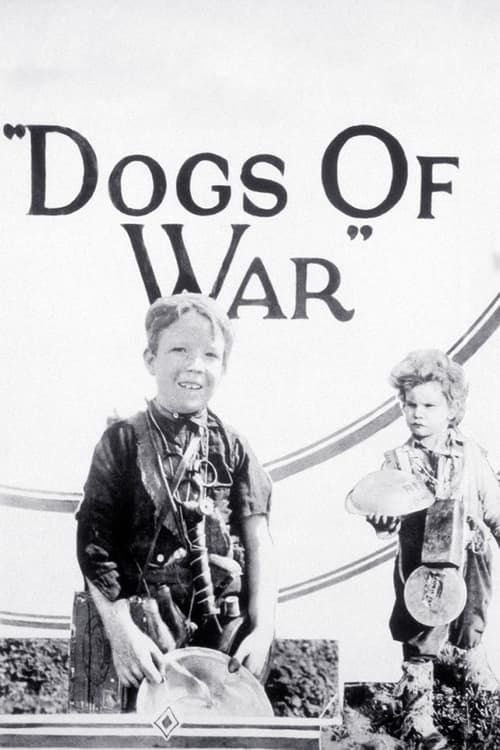
1923
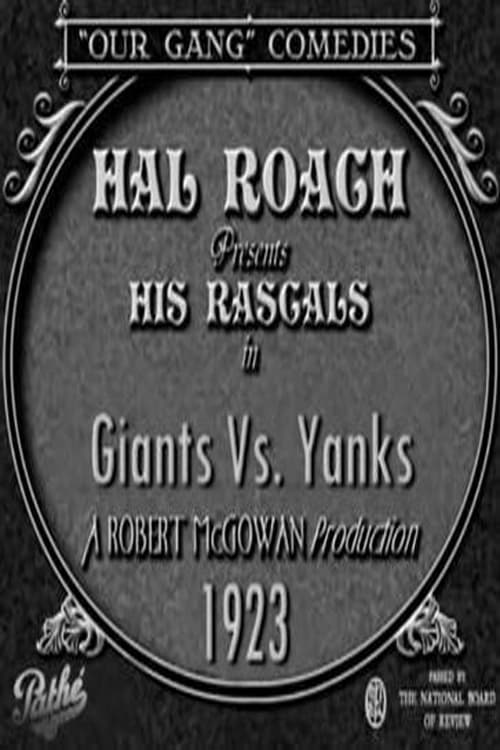
1923
1933
No reviews yet. Be the first to share your thoughts on this movie!
Use the rating form above to leave a star rating and optional review.