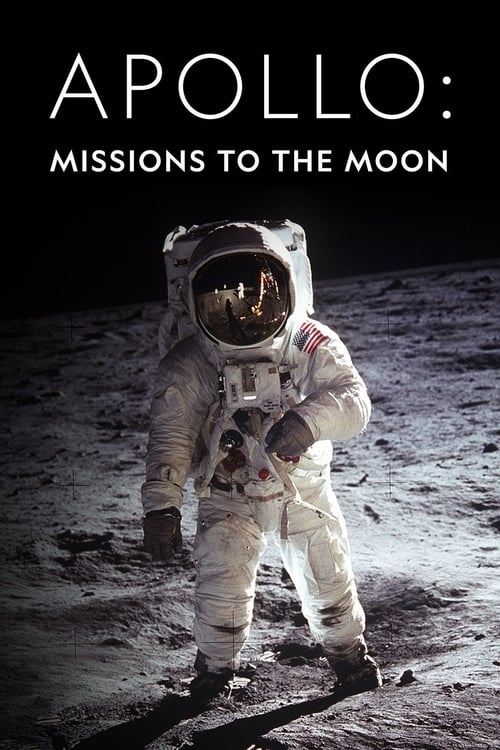
Apollo: Missions to the Moon
2019
No user ratings available yet
Representation score: 0.2 out of 10
Representation Score
Limited
2026
Director
Tim Lambert
Runtime
59 minutes
Average Rating
No ratings yetNew Showbiz Analysis
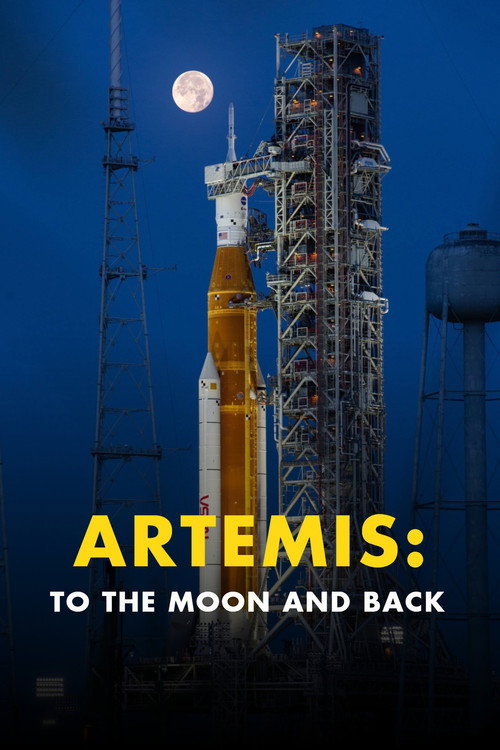
The film opens with the sterile precision of NASA’s training facilities, where human bodies are calibrated to survive the void. *Artemis: To the Moon and Back* sells a vision of meritocratic excellence, where the only hierarchy that matters is technical competence. The camera lingers on the faces of the crew—Koch, Glover, Hansen, and Wiseman—as they execute complex procedures, treating their diverse backgrounds as incidental to their shared professionalism. There is no drama of identity, no tension between personal life and institutional duty; the narrative is a clean, linear account of preparation and execution. The sold meaning is one of calm, collective achievement. The film does not interrogate the geopolitical or economic engines behind the mission; it simply documents the human element within the machine. This neutrality is both its strength and its limit. It avoids the trap of turning astronauts into political symbols, but in doing so, it also avoids asking who benefits from the spectacle of national exploration. The last image, presumably the crew in the lunar module or returning to Earth, settles the film’s argument: that in the face of the cosmos, human differences dissolve into a single, competent whole. It is a conservative affirmation of institutional order, where the state’s project is the ultimate good, and the individuals are merely its best instruments.
Category Breakdown
No queer characters or same-sex intimacy appear. The documentary focuses strictly on professional duties and mission logistics, leaving identity-based narrative beats entirely absent from the frame.
Nicola Walker narrates while Christina Koch serves as a crew member, normalizing female presence in high-stakes technical roles. The film treats gender as background detail rather than a central conflict or moral lesson.
Victor Glover and Maggie Aderin-Pocock appear as active participants, reflecting a multiracial crew without reducing them to symbolic tokens. Their competence is shown through work, not identity commentary.
The documentary frames NASA’s institutional authority and national achievement as the primary moral weight. It celebrates technological progress and collective effort without critiquing the state apparatus behind the mission.
No characters with disabilities are depicted, nor is impairment discussed. The narrative assumes able-bodied performance as the unmarked norm for spaceflight, leaving the topic entirely unaddressed.
Present on Screen
Limited or Absent
Official Synopsis
The inside story of the Artemis II mission - filmed over three and a half years at NASA. How did four astronauts travel to the moon, going deeper into space than ever before?
2019

2007
2025

1989

2016
2022

2020
2019
No reviews yet. Be the first to share your thoughts on this movie!
Use the rating form above to leave a star rating and optional review.