
Quello che le ragazze non dicono
2000
No user ratings available yet
Diversity score: 3.6 out of 10
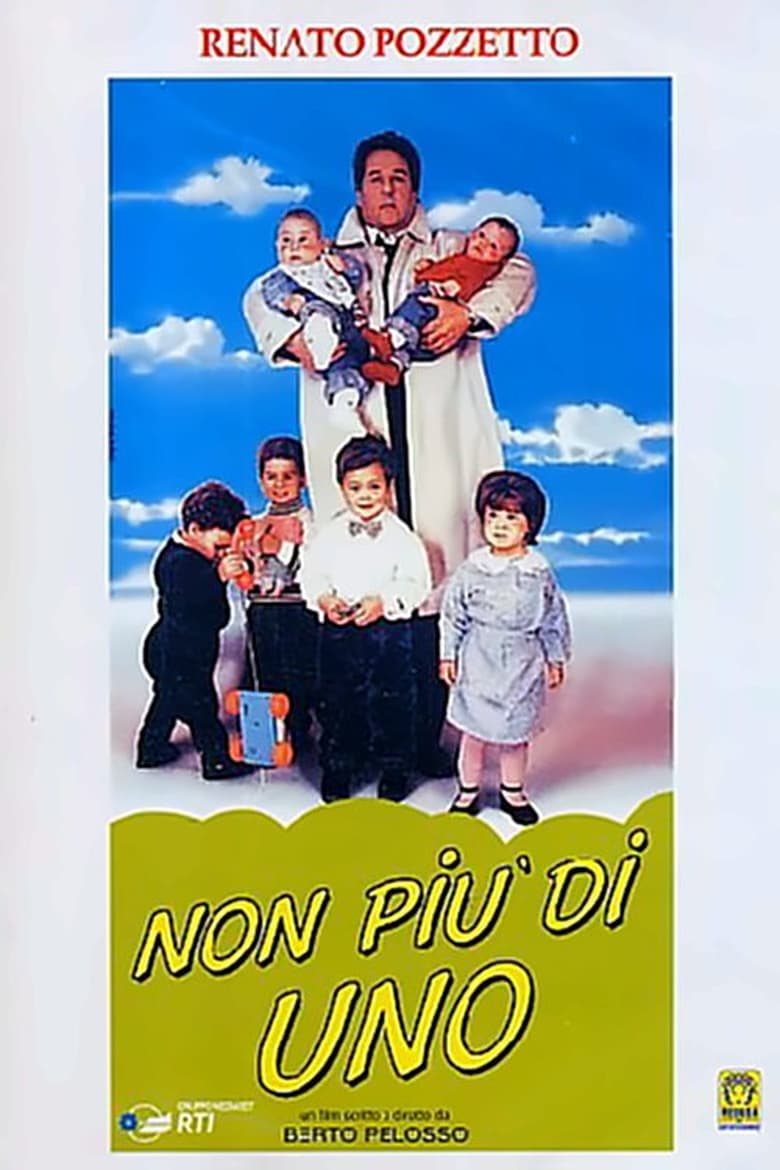
1990
Director
Berto Pelosso
Runtime
98 minutes
Average Rating
No ratings yetOverall Score
Limited
Category Breakdown
LGBTQ+ Representation
The film lacks explicit non-cisnormative identities or narratives that critique heteronormativity. It appears to operate within standard comedic frameworks of its era.
Gender Representation
While the cast features several prominent female performers, the film likely adheres to conventional gender roles. There is no evidence of subverting traditional hierarchies.
Racial & Ethnic Diversity
The production reflects the demographic homogeneity typical of early 1990s Italian comedies. The cast lacks racial diversity or non-Anglo-Saxon representation.
Religious & Cultural Diversity
The narrative focuses on situational humor rather than critiquing Western institutions. It reinforces standard social norms instead of challenging the traditional family unit.
Disability Representation
There are no discernible depictions of physical, sensory, or neurodivergent characters. No information exists regarding the portrayal of disability or agency.
Strengths
Areas for Improvement
AI Analysis
Non più di uno functions as a traditional period comedy that reflects the social landscape of 1990s Italy. The film lacks the narrative complexity or intentionality required to disrupt conventional social hierarchies, resulting in a score that mirrors the non-subversive representation of its era. The production is characterized by demographic homogeneity and a reliance on established genre tropes. It prioritizes situational humor over systemic critique or the deconstruction of traditional social structures. Ultimately, the film operates within a localized, standard social context without attempting to provide visibility for marginalized identities or diverse cultural perspectives.
2000

2012
2014
2003

2005

2018
2008
1982

2006
1983
2019

2021
No reviews yet. Be the first to share your thoughts on this movie!
Use the rating form above to leave a star rating and optional review.