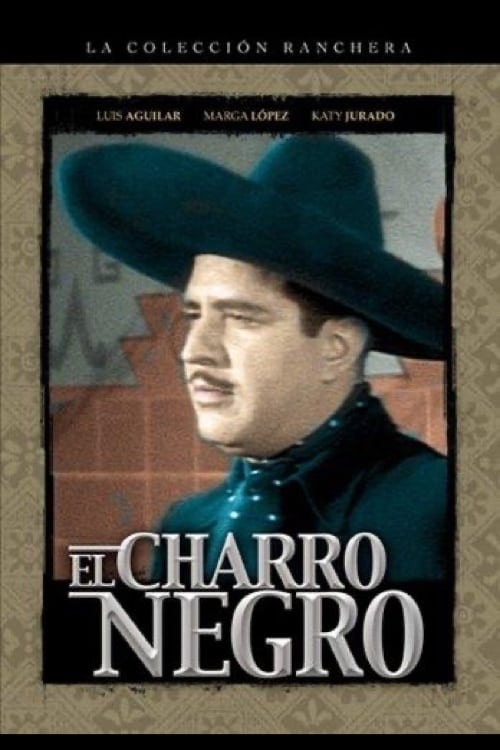
El charro Negro
1940
No user ratings available yet
Representation score: 3.0 out of 10
Representation Score
Minimal
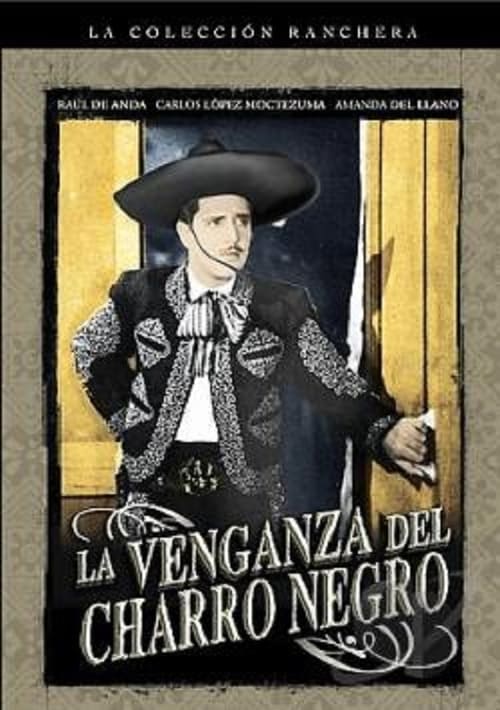
1942
Director
Raúl de Anda
Runtime
70 minutes
Average Rating
No ratings yetNew Showbiz Analysis
La venganza del Charro Negro is a culturally significant work that stands out for its strong ethnic specificity. By focusing on Mexican folklore, it offers a localized alternative to the typical Western genre. However, the film adheres to the rigid social hierarchies of the 1940s, preserving traditional national myths without challenging broader social norms. The narrative relies heavily on absolute religious morality, reinforcing traditional structures.
Category Breakdown
The film follows the straight and cisgender norms of its time, with no representations of non-binary genders or same-sex relationships.
Women in the film primarily serve as emotional stakes or subjects of supernatural influence, rather than being the main drivers of the plot. Masculinity is defined through traditional honor and revenge.
The film centers a Mexican cast and local folklore, disrupting the dominance of Western narratives. It prioritizes national myths over imported Hollywood formulas.
The story emphasizes traditional Catholic institutions and religious morality, focusing on sin and spiritual consequences rather than moral relativism.
There is no discernible focus on visible or invisible disabilities. Characters are defined by moral choices and supernatural relationships.
Present on Screen
Limited or Absent
Official Synopsis
Third in a series; flashbacks remind us of the beef El Charro had with Carlos from his home town. While they move toward a final showdown, Carlos and his new evil buddy Rodolfo kill a couple more people just for kicks.
1940
1956
1965
1972
1969
1967

1949
1967
No reviews yet. Be the first to share your thoughts on this movie!
Use the rating form above to leave a star rating and optional review.