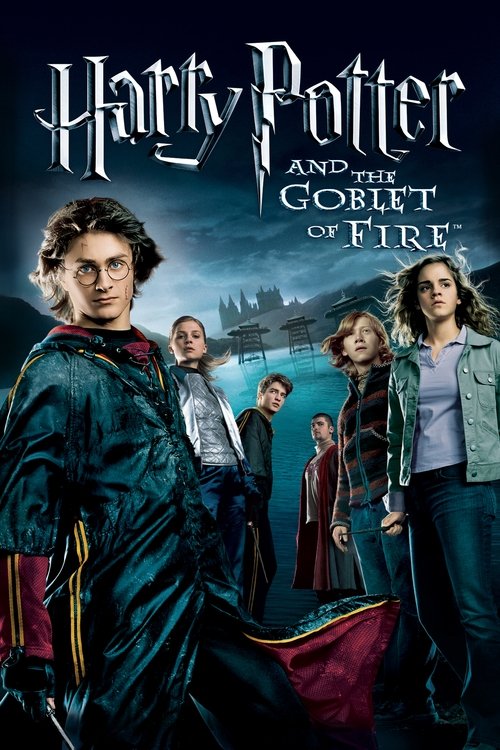
Harry Potter and the Goblet of Fire
2005
No user ratings available yet
Representation score: 5.5 out of 10
Representation Score
Fair
2004
PGDirector
Alfonso Cuarón
Runtime
141 minutes
Average Rating
No ratings yetNew Showbiz Analysis
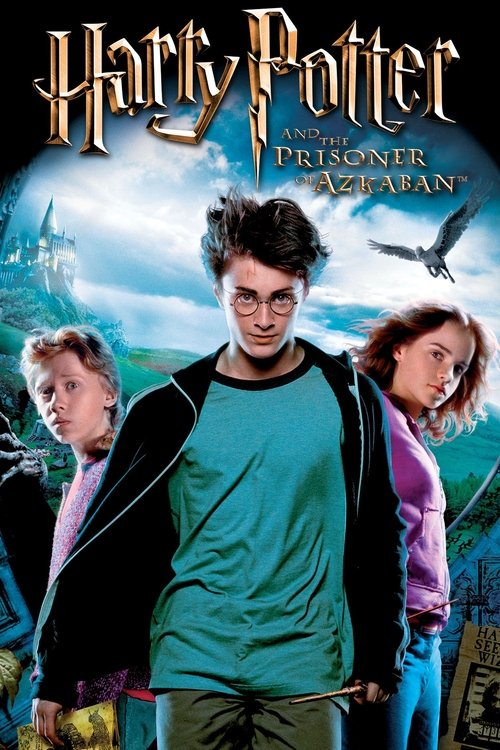
Harry Potter and the Prisoner of Azkaban opens with a boy fleeing an abusive home to find a school that functions as a sanctuary. The film treats the Ministry of Magic as a corrupt institution, using Dementors and Azkaban to critique state violence and unjust imprisonment. Hermione’s competence resolves the plot, while Lupin’s werewolf status is normalized rather than stigmatized. The closing image shows the trio looking over the lake, free from the Dementors’ shadow. The film sells the idea that truth and loyalty overcome institutional prejudice, with the chosen family of Hogwarts replacing the blood ties of the Dursleys.
Category Breakdown
No same-sex intimacy, queer characters, or non-binary identities appear. The film’s romantic and familial bonds are strictly heterosexual and blood-based.
Hermione Granger serves as the intellectual engine, executing the Time-Turner plan that resolves the climax while the boys follow. Male authority figures like Dumbledore and Lupin act as mentors, but Hermione’s competence drives the plot’s resolution.
The cast is almost entirely white, reflecting the source material’s lack of on-screen diversity. No non-white characters hold significant roles or provide distinct cultural perspectives.
The film critiques state power through the Dementors and Azkaban, portraying the Ministry of Magic as corrupt and unjust. It contrasts the oppressive blood family (Dursleys) with the chosen family of Hogwarts, framing institutional loyalty as superior to biological ties.
Remus Lupin’s werewolf condition is treated as a manageable impairment rather than a monster, allowing him to remain a competent teacher. Peter Pettigrew’s physical deformity is linked to moral cowardice, using bodily difference to signal character flaw.
Present on Screen
Limited or Absent
Official Synopsis
Harry Potter's life is in danger once more as dangerous wizard Sirius Black has escaped from Azkaban Prison and is heading to Hogwarts.
2005
1977
2002

1978
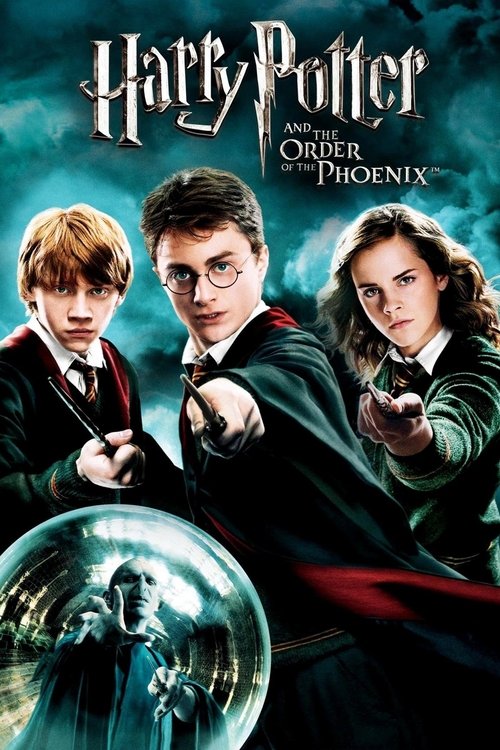
2007

2008
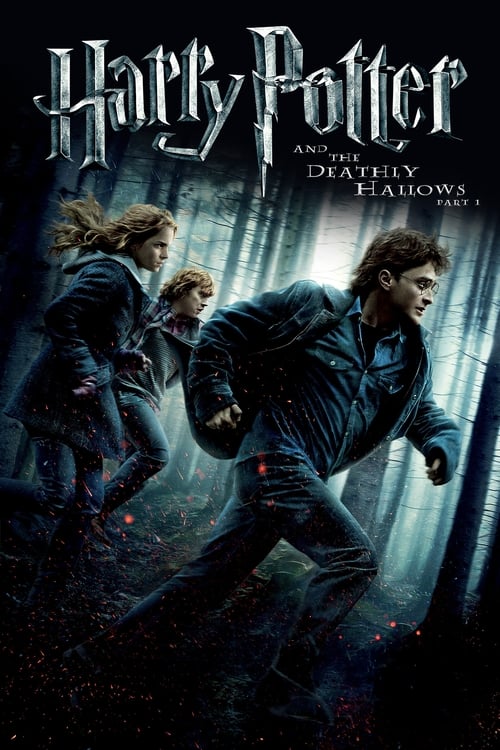
2010
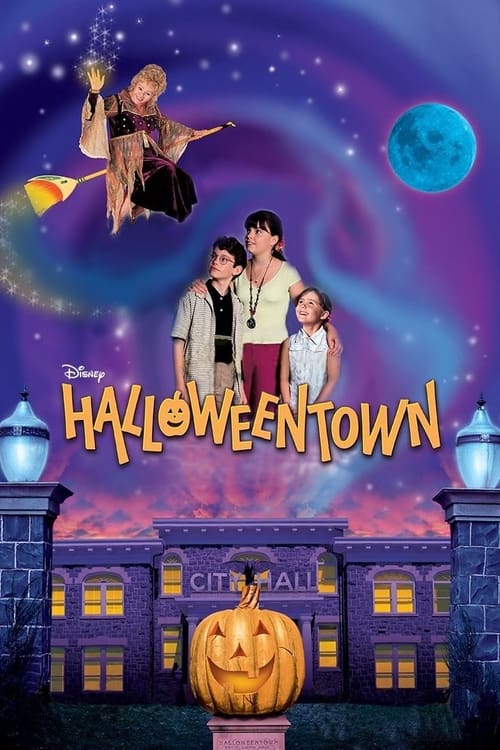
1998
No reviews yet. Be the first to share your thoughts on this movie!
Use the rating form above to leave a star rating and optional review.