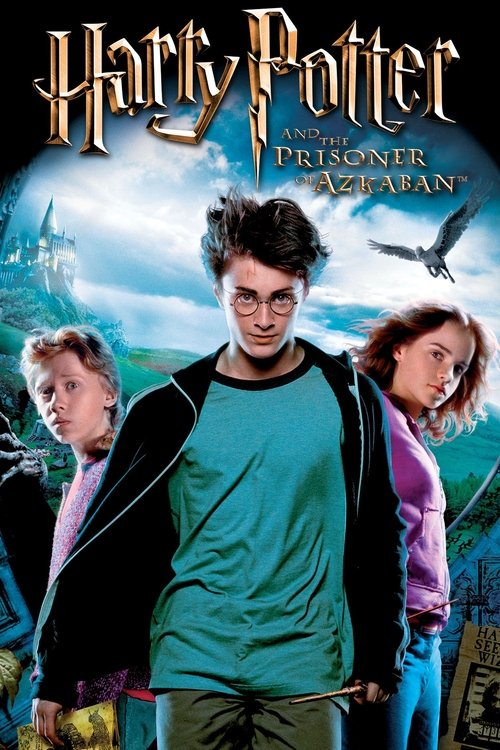
Harry Potter and the Prisoner of Azkaban
2004
No user ratings available yet
Representation score: 7.2 out of 10
Representation Score
Good
2002
PGDirector
Chris Columbus
Runtime
161 minutes
Average Rating
No ratings yetNew Showbiz Analysis
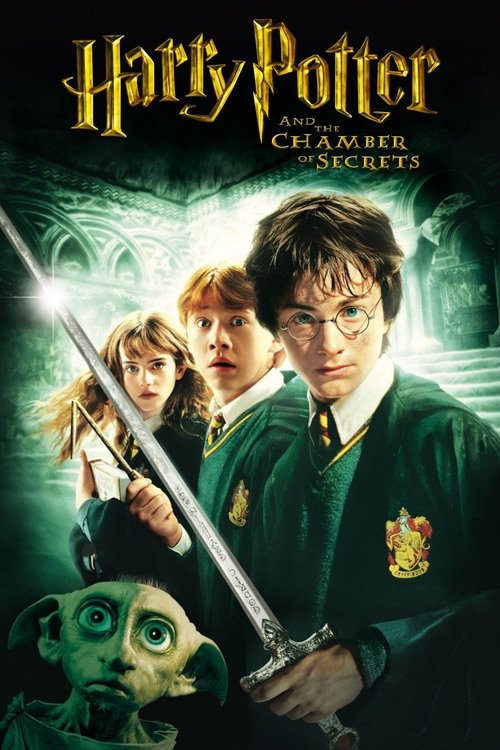
Harry Potter and the Chamber of Secrets centers on a young wizard escaping a hostile foster home for a school that functions as a chosen family. The film treats intelligence as the primary virtue, positioning Hermione as the moral and practical anchor while male authority figures are mocked or rendered ineffective. The "Pure-blood" ideology is presented as a specific prejudice within a broader community that generally accepts mixed heritage. The closing image is a return to normalcy, with Dumbledore’s quiet authority providing the final moral anchor. The story sells the idea that knowledge and friendship triumph over inherited status and institutional neglect.
Category Breakdown
No same-sex romance or queer-coded characters appear. Social dynamics rely on heterosexual norms and childhood friendship. The film offers no on-screen queer intimacy or identity exploration.
Hermione drives the plot through research and logic, solving the mystery. Male authority figures like Lockhart are framed as incompetent frauds. Ginny Weasley remains a passive victim until rescued by Harry.
The cast is predominantly white, reflecting the source material’s setting. The film divides characters into Muggle-born and Pure-blood groups. Magical lineage acts as social status rather than addressing real-world ethnic diversity.
Hogwarts functions as a safe, chosen family contrasting with the hostile Dursley home. Traditional institutions are portrayed as bureaucratic but supportive. Pure-blood supremacy is positioned as a specific prejudice, not the dominant norm.
Petrification acts as a temporary, reversible plot device rather than a lived experience. The Basilisk’s gaze is a physical threat. No characters have lasting impairments that influence the narrative’s moral framework.
Present on Screen
Limited or Absent
Official Synopsis
Cars fly, trees fight back, and a mysterious house-elf comes to warn Harry Potter at the start of his second year at Hogwarts. Adventure and danger await when bloody writing on a wall announces: The Chamber Of Secrets Has Been Opened. To save Hogwarts will require all of Harry, Ron and Hermione's magical abilities and courage.
2004
1977
2001
1963
2005
2009
2007
2008
No reviews yet. Be the first to share your thoughts on this movie!
Use the rating form above to leave a star rating and optional review.