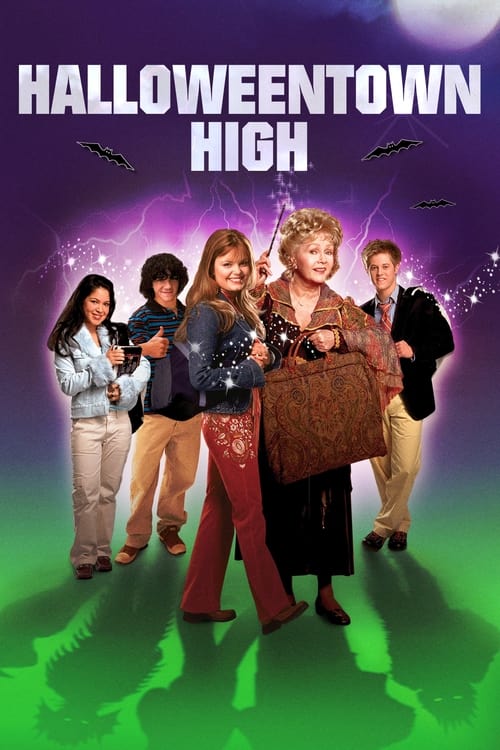
Halloweentown High
2004
No user ratings available yet
Representation score: 4.0 out of 10
Representation Score
Fair
1998
TV-GDirector
Duwayne Dunham
Runtime
84 minutes
Average Rating
No ratings yetNew Showbiz Analysis
Halloweentown disrupts traditional hierarchies by focusing on female leadership and a multiracial family structure. The film presents magical 'otherness' as a source of empowerment, offering a subtle metaphor for underrepresented experiences. Despite these positive elements, the film lacks explicit LGBTQ+ representation and direct depictions of physical or neurodivergent disabilities. It uses fantasy metaphors to explore themes of difference but does not provide concrete character arcs based on these identities. Overall, the film's strength lies in its progressive approach to gender and race, promoting diverse family structures within a magical context.
Category Breakdown
The film does not include any LGBTQ+ characters or explore non-straight relationships. The social structure of Halloweentown focuses on traditional family models.
Marnie Piper acts as a proactive heroine, subverting typical damsel-in-distress clichés through her active role. The Cromwell lineage features strong female leadership, with Aggie serving as a central figure of wisdom and guidance.
The Piper family is shown as a multiracial unit, challenging the homogeneous casting common in 90s fantasy. This depiction normalizes diverse family structures without emphasizing racial conflict.
The tension between magical and everyday worlds serves as a metaphor for navigating conformist societies. The narrative emphasizes the acceptance of 'the different,' highlighting the value of unique individuals.
There are no explicit depictions of physical or cognitive disabilities. However, the supernatural residents serve as a metaphor for those existing outside neurotypical or able-bodied norms.
Present on Screen
Limited or Absent
Official Synopsis
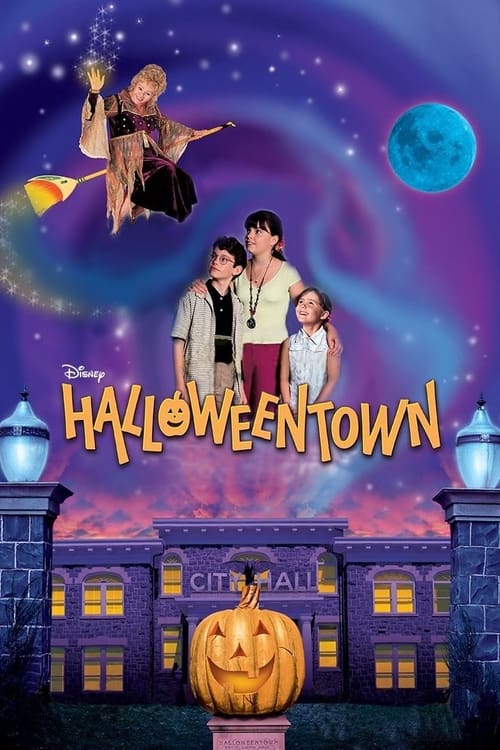
On her 13th birthday, Marnie learns she's a witch, discovers a secret portal, and is transported to Halloweentown — a magical place where ghosts and ghouls, witches and werewolves live apart from the human world. But she soon finds herself battling wicked warlocks, evil curses, and endless surprises.
2004
2001

1996
2013

2006
1988
1999
2004
No reviews yet. Be the first to share your thoughts on this movie!
Use the rating form above to leave a star rating and optional review.