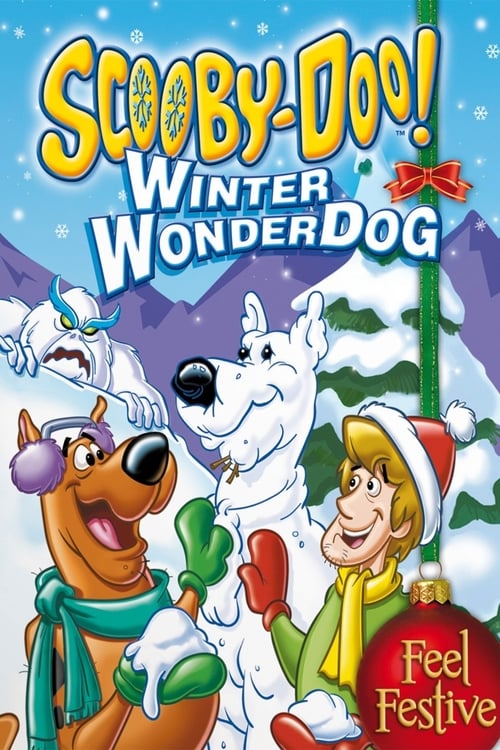
Scooby-Doo! Winter WonderDog
2002
No user ratings available yet
Representation score: 2.6 out of 10
Representation Score
Limited
2000
Director
William Hanna, Joseph Barbera
Runtime
90 minutes
Average Rating
No ratings yetNew Showbiz Analysis
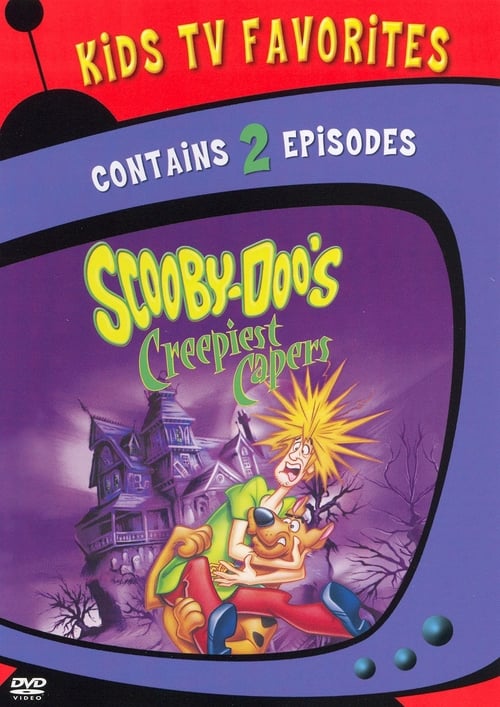
Scooby-Doo's Creepiest Capers relies on a formulaic ensemble comedy structure that prioritizes mystery-solving over social representation. While the group is balanced in number, the characters largely inhabit traditional archetypes that do not challenge systemic hierarchies. The work functions as a conventional protector of the status quo. It lacks significant multi-layered identities, focusing instead on a homogeneous cast and standard Western storytelling clichés. Ultimately, the collection serves as a nostalgic genre piece rather than a vehicle for diverse or subversive narratives.
Category Breakdown
The film does not include visible LGBTQ characters or narratives that challenge the assumption that everyone is straight or cisgender. Character dynamics focus on traditional, platonic, or implied romantic relationships.
The ensemble maintains a gender balance, though roles often follow established clichés. While Velma shows intellectual leadership, the group frequently adheres to traditional gendered roles.
The cast remains a primarily homogeneous group. Despite global travel, there is no evidence of a non-white majority or casting that disrupts historical norms.
The story follows Western structures that prioritize logic and social order. It reinforces a standard moral framework rather than offering secularist or anti-Western critiques.
The protagonists are presented as able-bodied characters. There is no evidence of neurodivergence, chronic illness, or characters with visible disabilities being portrayed with real power.
Present on Screen
Limited or Absent
Official Synopsis
Join the spook-busting, case-cracking, snack-munching fun as Scooby-Doo and the Mystery, Inc. gang gear up for four of their most frightening adventures ever! Traveling the globe on their ongoing quest to trip up crooks (and chow down on munchies), Scooby-Doo, Shaggy, Daphne, Fred and Velma tangle with a supernatural assortment of eerie adversaries. Facing multiple monsters, ghouls galore and gobs of ghosts, our top-dog detective and those "meddling kids" will stop at nothing to get their ghoul as they confront SCOOBY-DOO'S CREEPIEST CAPERS!
2002
2005
2011
1987
1984
2000
2012

1999
No reviews yet. Be the first to share your thoughts on this movie!
Use the rating form above to leave a star rating and optional review.