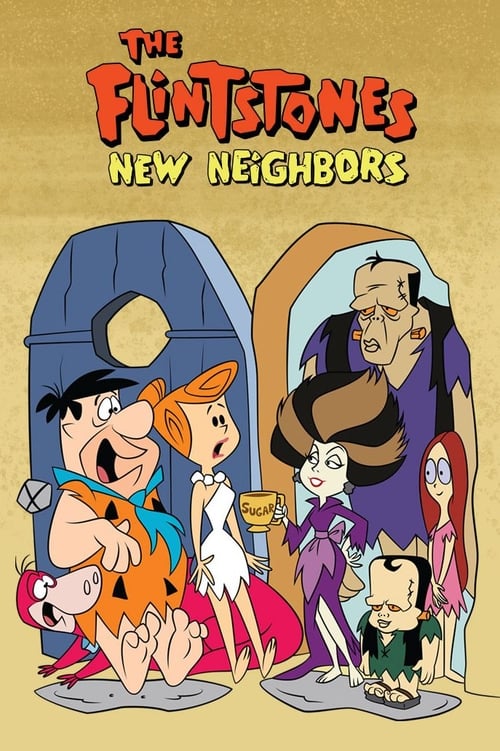
The Flintstones' New Neighbors
1980
No user ratings available yet
Representation score: 2.8 out of 10
Representation Score
Limited
1979
Not RatedDirector
Ray Patterson
Runtime
48 minutes
Average Rating
No ratings yetNew Showbiz Analysis
This animated feature leans heavily on established character archetypes from the Flintstones franchise, emphasizing situational comedy and horror clichés. The narrative prioritizes traditional family structures and mid-20th-century gender roles, avoiding any subversion of social norms. The production offers a culturally monolithic view of its prehistoric setting, lacking diverse perspectives.
Category Breakdown
The film focuses solely on traditional straight relationships within nuclear families, with no characters representing LGBTQ+ identities.
The film portrays traditional gender roles from the mid-20th century. Women like Wilma and Betty have significant roles within their homes, but the film does not challenge the status quo.
The cast is uniform, with the Stone Age setting abstracting race. There is no exploration of diverse ethnic backgrounds or multi-layered identities.
The film uses a 'prize trip' cliché and parodies European gothic traditions. It avoids critiquing Western institutional or religious structures.
Rockula and Frankenstone are used for slapstick humor and genre parody, rather than as nuanced representations of disability.
Present on Screen
Limited or Absent
Official Synopsis
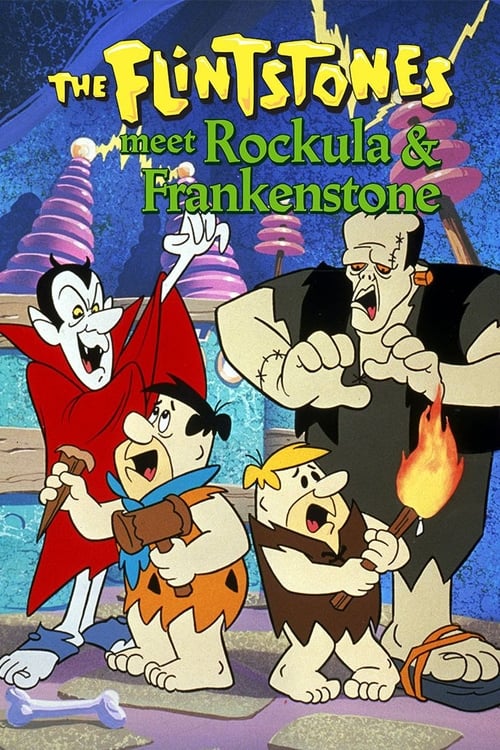
The Flintstones and the Rubbles win a trip on "Make a Deal or Don't" to Count Rockula's castle in Rocksylvania, where they have an unpleasant meeting with the Count and his servant, Frankenstone.
1980
1988
1995
1987
1993
1987
1975
1987
No reviews yet. Be the first to share your thoughts on this movie!
Use the rating form above to leave a star rating and optional review.