
The Old New Year
1980
No user ratings available yet
Representation score: 1.9 out of 10
Representation Score
Fair
1983
Director
Ljubomir Draškić 'Duci'
Runtime
165 minutes
Average Rating
No ratings yetNew Showbiz Analysis
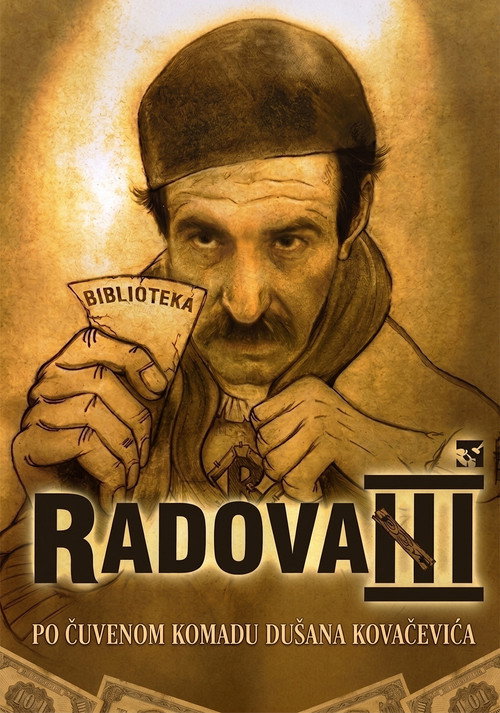
Radovan III is a 1983 Yugoslavian domestic comedy that examines social tensions through a local conflict between two families. The film uses the breakdown of domestic boundaries to drive its narrative. While it reflects regional social satire, it does not provide explicit evidence of diverse representation or identity politics.
Category Breakdown
The film does not include any queer narratives or non-straight relationships. There is no evidence of LGBTQ+ characters or themes.
The story focuses on family dynamics and domestic conflicts. It is unclear whether the film challenges or reinforces traditional gender roles and hierarchies.
The film reflects the regional diversity of 1983 Yugoslavia. However, there are no specific details about ethnic diversity or the ability to act of actors from different backgrounds.
The story centers on a war between two families, highlighting subjective morality. This approach questions the stability of the nuclear family.
There is no information about characters with physical disabilities or neurodivergent traits.
Present on Screen
Limited or Absent
Official Synopsis
A war between two families, who live in the same building.
1980
1967
1968
1982
2011

2008
1987
2006
No reviews yet. Be the first to share your thoughts on this movie!
Use the rating form above to leave a star rating and optional review.