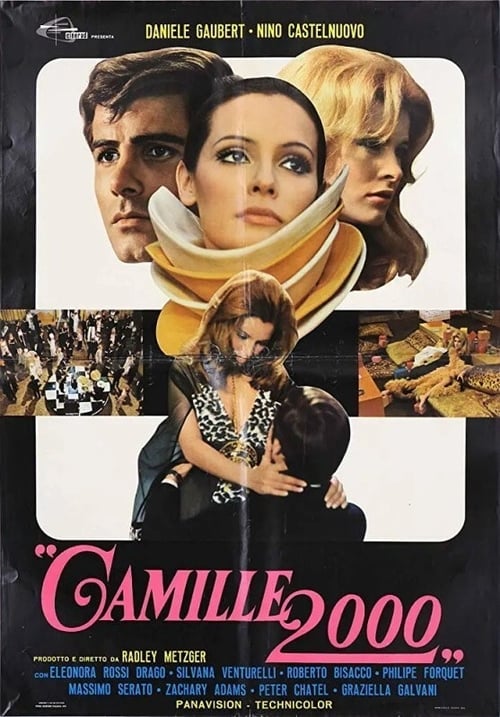
Camille 2000
1969
No user ratings available yet
Diversity score: 4.9 out of 10
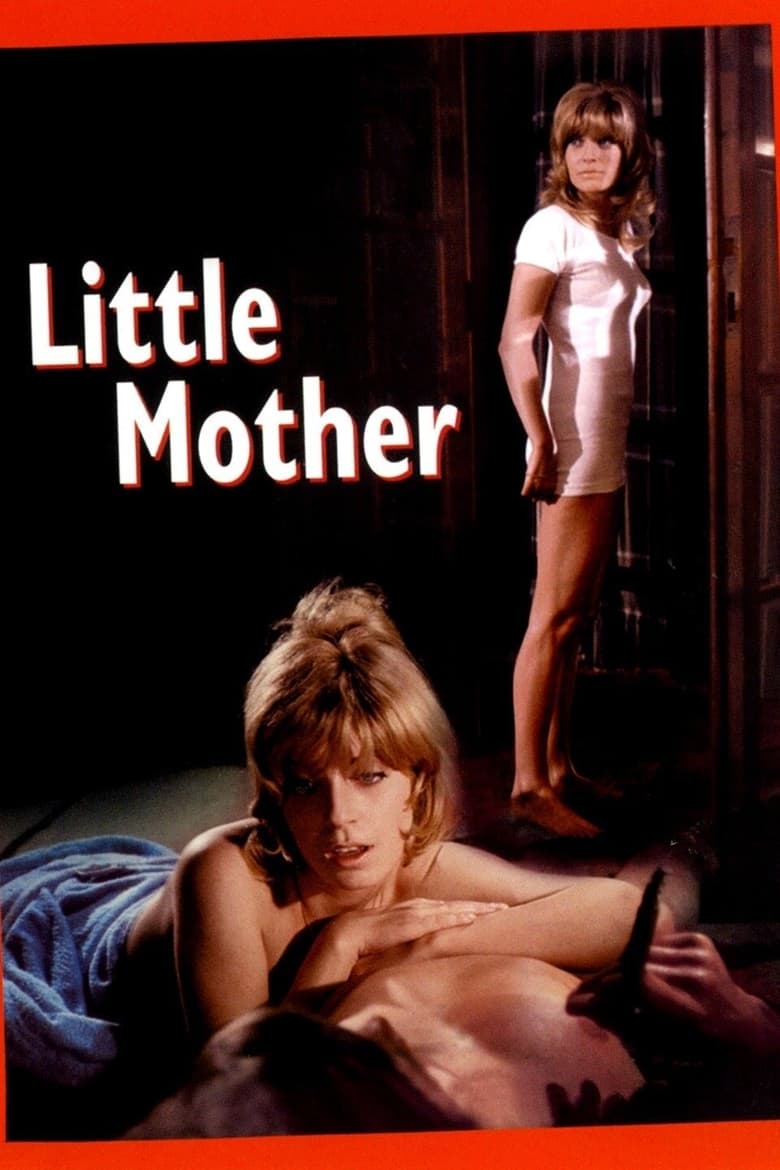
1973
RDirector
Radley Metzger
Runtime
100 minutes
Average Rating
No ratings yetSynopsis
Marina Pinares, the wife of the president of a South American country, insists on being his vice-presidential running mate in the next election. She's no stranger to assassination to get what she wants, so some suspect she'll kill her own husband after the election to become president. In a series of flashbacks we see her rise to power: a party girl willing to sacrifice a friend's virtue to gain favor; the lover of a soldier she later tortures; the mistress of the military man she soon marries.
Overall Score
Fair
Category Breakdown
LGBTQ+ Representation
The film explores non-traditional sexual arrangements that disrupt heteronormative domestic expectations. However, it lacks explicit depictions of queer identities or specific LGBTQ+ character arcs.
Gender Representation
Female characters navigate power through agency and sexual autonomy, subverting traditional maternal archetypes. The narrative disrupts idealized gendered expectations of caretaking and domesticity.
Racial & Ethnic Diversity
The cast is primarily white, focusing on an upper-class, Western socioeconomic environment. There is no significant evidence of racial or ethnic diversity within the primary character arcs.
Religious & Cultural Diversity
The film critiques traditional Western institutions and the sanctity of the family. It adopts a posture of moral relativism, prioritizing subjective experience over religious frameworks.
Disability Representation
There is no significant evidence of characters with visible or invisible disabilities. The narrative focus remains strictly on socioeconomic status and sexual transgression.
Strengths
Areas for Improvement
AI Analysis
Little Mother is a provocative study in the deconstruction of domestic and maternal archetypes. It succeeds in challenging conventional gender hierarchies and Western moral frameworks by presenting transgressive sexual behaviors without traditional condemnation. However, the film's progressive stance on gender and cultural norms is offset by a lack of intersectionality. The narrative remains centered on a primarily white, upper-class environment, largely ignoring racial, ethnic, and disability-based perspectives. Ultimately, while the film subverts the sanctity of the nuclear family, it operates within a narrow demographic scope that limits its overall diversity.
1969

1976
1981
2001
1986

1975
1968
1971
2010
1969

2002

1976
No reviews yet. Be the first to share your thoughts on this movie!
Use the rating form above to leave a star rating and optional review.