Happy Tears
2009
No user ratings available yet
Diversity score: 3.1 out of 10
1990
PG-13Director
Jim Abrahams
Runtime
95 minutes
Average Rating
No ratings yetSynopsis
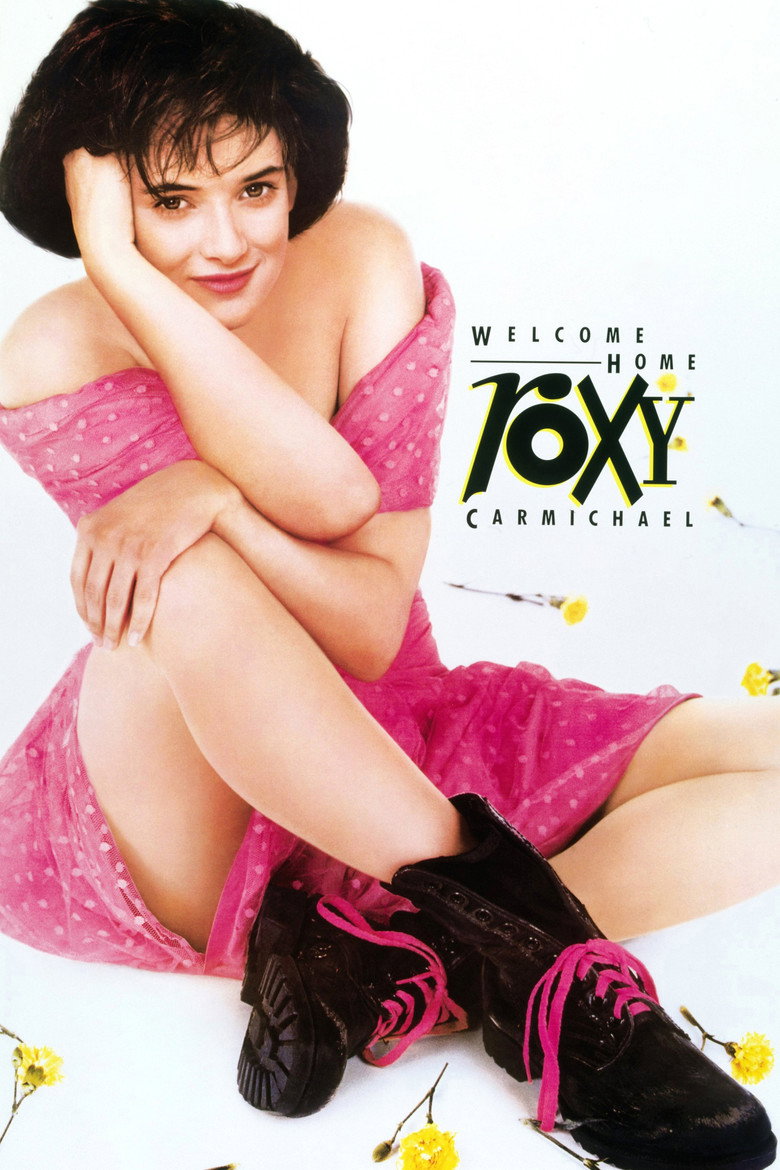
Movie star Roxy Carmichael is abandoning the bright lights of Hollywood, Calif. and returning to her small Ohio hometown -- at least long enough to dedicate a city building. And now the whole town of Clyde is bracing for Carmichael's return, most of all her now-married old flame Denton Webb and troubled teen Dinky Bossetti. An orphan with few friends, Dinky is convinced that Carmichael is her birth mother, and that the actress will reclaim her when she returns.
Overall Score
Limited
Category Breakdown
LGBTQ+ Representation
The film follows a conventional heteronormative structure. The central conflict revolves around the romantic history between the female lead and her former male partner, offering no non-cisnormative identities.
Gender Representation
Roxy Carmichael is granted moderate agency as a successful, powerful woman. However, the narrative remains tethered to traditional romantic dynamics and does not actively subvert established gender hierarchies.
Racial & Ethnic Diversity
The setting and casting reflect a predominantly homogeneous environment. The small-town Ohio backdrop and central cast lack significant racial or ethnic diversity, adhering to the era's demographic norms.
Religious & Cultural Diversity
The story leans into Western themes of nostalgia and celebrity. It explores interpersonal complexities without offering critiques of Western institutions or prioritizing secularism.
Disability Representation
There is no prominent depiction of physical or neurodivergent disabilities. The character Dinky Bossetti focuses on social alienation and orphanhood rather than disability-driven narratives.
Strengths
Areas for Improvement
AI Analysis
Welcome Home, Roxy Carmichael is a traditional character-driven comedy that prioritizes genre conventions over social disruption. While it provides a degree of empowerment by centering a successful female protagonist, the film lacks intersectional depth. The narrative reinforces the social and romantic structures of the early 1990s. It relies on a homogeneous cast and a standard heteronormative framework, offering little in the way of racial or cultural variety. Ultimately, the film functions as a nostalgic look at celebrity and hometown roots rather than a work that challenges systemic norms or explores diverse identities.
2009

1982
1976

2021
1996
1997

1999
1955
1990

2020
2000

2008
No reviews yet. Be the first to share your thoughts on this movie!
Use the rating form above to leave a star rating and optional review.