
Sweet Jane
1998
No user ratings available yet
Representation score: 6.2 out of 10
Representation Score
Excellent
1985
Director
Arthur J. Bressan, Jr.
Runtime
81 minutes
Average Rating
No ratings yetNew Showbiz Analysis
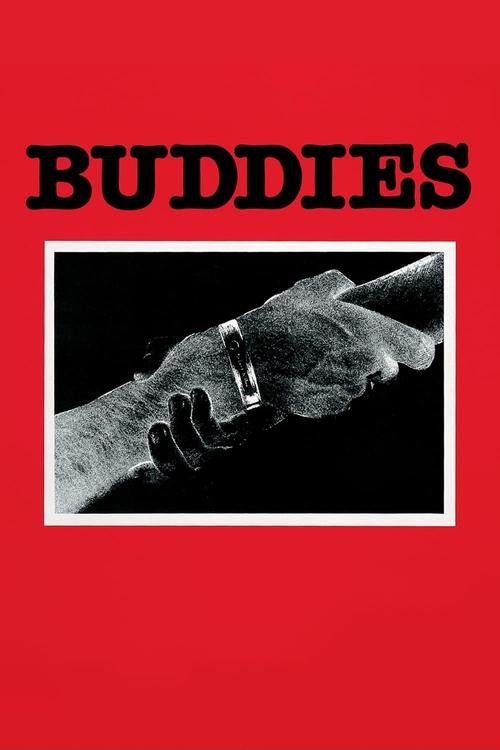
Buddies is a groundbreaking film that offers an unfiltered look at the HIV/AIDS crisis of the 1980s. By focusing on the dignity and political engagement of its gay characters, the film goes beyond mere representation to explore the profound communal struggles faced during that time. The film's strength lies in its ability to break down traditional social hierarchies and challenge rigid masculine stereotypes through themes of vulnerability and mutual support. However, the narrative remains ethnically homogeneous, reflecting a specific, predominantly white urban subculture. While historically accurate, it lacks broader racial diversity within its central character arcs.
Category Breakdown
The film focuses on the experiences of gay men and same-sex relationships. It presents a nuanced view of queer individuals, particularly through Robert, a politically active activist dealing with a terminal illness.
The movie challenges traditional masculine stereotypes by highlighting emotional vulnerability and care. It emphasizes the importance of emotional support and interdependence among men.
The story is set within a predominantly white LGBTQ+ community of the mid-1980s. It lacks visible diversity in terms of race within the main character arcs.
The film criticizes institutional apathy and highlights the subjective truths of underrepresented communities. It underscores the importance of community-led survival over established Western institutions.
The film handles the reality of an AIDS diagnosis with dignity, avoiding pity. It avoids inspirational stories and focuses on the complex resilience needed to cope with chronic illness.
Present on Screen
Limited or Absent
Official Synopsis
David, a naive graduate student, has volunteered to work as a 'buddy' for people dying of AIDS. Assigned to the intensely political Robert, a lifelong activist whose friends and family have abandoned him following his diagnosis, the two men, each with notably different world views, soon discover common bonds, as David's inner activist awakens and Robert's need for emotional release is fulfilled.
1998

1970

1996

1995

1989

1993

1997

2017
No reviews yet. Be the first to share your thoughts on this movie!
Use the rating form above to leave a star rating and optional review.