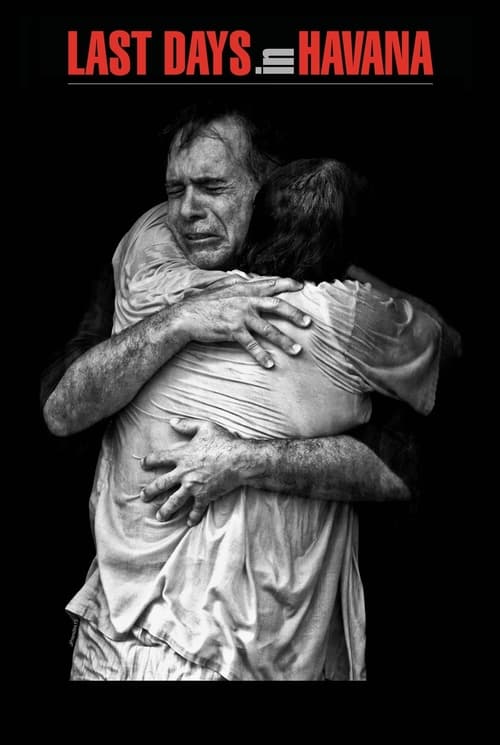
Last Days in Havana
2016
No user ratings available yet
Representation score: 8.9 out of 10
Representation Score
Excellent
2016
TV-MADirector
Pavel Giroud
Runtime
104 minutes
Average Rating
No ratings yetNew Showbiz Analysis
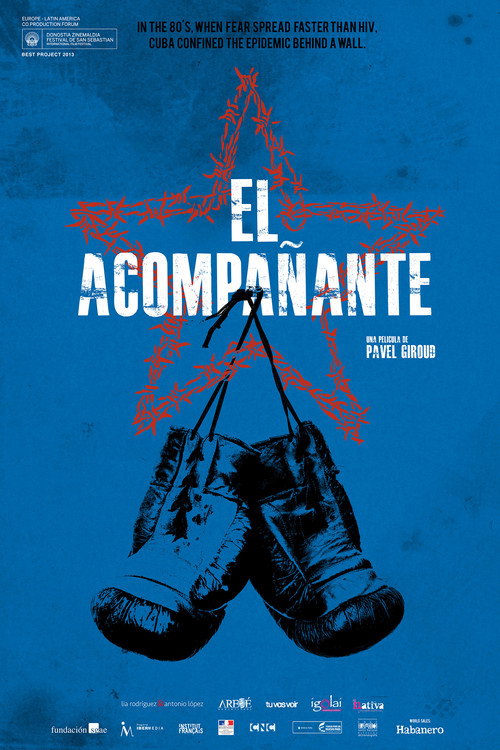
The Companion is a sophisticated historical drama that uses the 1980s AIDS epidemic in Cuba to critique systemic oppression. By focusing on the intersection of state control and medical crisis, the film provides meaningful visibility to underrepresented communities during a period of intense scrutiny. The film excels at deconstructing traditional archetypes and exploring the struggle for individual autonomy. It moves beyond simple medical drama to examine how institutional powers manage and confine specific bodies. While the film offers a nuanced look at identity and ability to act, its focus remains heavily centered on masculine dynamics and the specific socio-political context of the era.
Category Breakdown
The film centers on the lived experiences of individuals navigating the 1980s AIDS epidemic in Cuba. It challenges traditional storytelling by exploring identities that exist outside the conventional social order.
The narrative focuses on masculine archetypes, such as the athlete and the patient. It deconstructs traditional masculinity by placing a boxing champion in a role of vulnerability and caretaking.
Set in Cuba, the film provides a non-Western perspective on a global health crisis. It explores how identity and status intersect with state-mandated confinement and institutional management.
The story offers a sharp critique of institutional authority and state-mandated medical control. It highlights the friction between individual autonomy and oppressive, restrictive state institutions.
HIV/AIDS is treated as a central element of character's ability to drive the story rather than a mere plot device. The film examines how chronic illness is used to justify the removal of civil liberties.
Present on Screen
Limited or Absent
Official Synopsis
At the height of the 1980s AIDS epidemic, Cuban boxing champion Horacio's punishment for failing a drug test is to watch over the brash, combative Daniel, a patient in a sanatorium where HIV patients are compulsorily confined. The two collide as Daniel yearns for freedom while Horacio dreams of returning to the ring.
2016

1993
2008

2017
2021
2013
1996

2023
No reviews yet. Be the first to share your thoughts on this movie!
Use the rating form above to leave a star rating and optional review.