
The Wall
1983
No user ratings available yet
Representation score: 6.9 out of 10
Representation Score
Excellent
2012
Director
Hüseyin Karabey, Mehmet Ilker Altinay, Sırrı Süreyya Önder, Ezel Akay, Aydın Bulut, Reis Çelik, Barış Pirhasan, Grup Yorum, Vedat Özdemir
Runtime
118 minutes
Average Rating
No ratings yetNew Showbiz Analysis
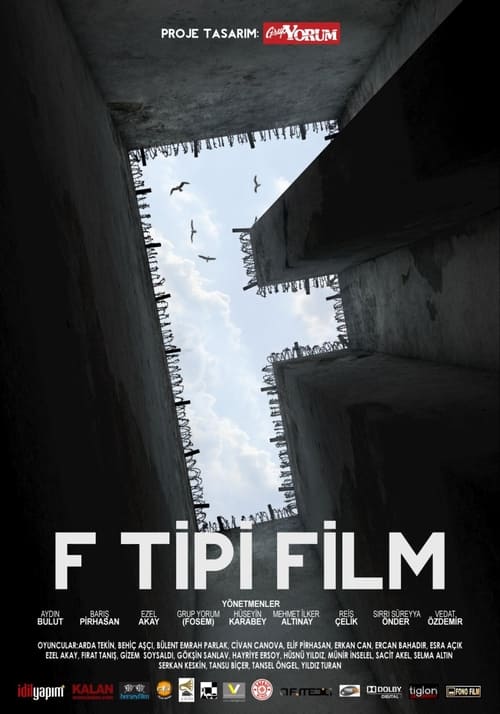
F Tipi Film functions as a mosaic of resistance, using an anthology format to depict the psychological pressures of Turkey's F-type prison system. It centers the ability to act of political prisoners, moving away from traditional domestic or nationalist themes to focus on systemic critique. The film's strength lies in its cultural subversion and its ability to frame identity through the lens of collective struggle. By focusing on underrepresented political subgroups, it provides a platform for diverse political and ethnic perspectives. However, the film's focus remains heavily centered on political struggle, which limits the depth of specific representation for LGBTQ+ identities and physical disabilities. The portrayal of mental health is a central theme, but it is tied strictly to the trauma of incarceration.
Category Breakdown
The film explores intimacy through shared struggles rather than traditional heterosexual relationships. While it doesn't have central LGBTQ+ storylines, it challenges the usual social structures within the prison setting.
Characters are defined by their political convictions rather than traditional gender roles. The narrative highlights the intellectual and psychological resilience of individuals against state oppression.
The film engages with regional and ethnic identities outside the dominant nationalist framework. It prioritizes voices often sidelined by the state, emphasizing collective resistance over a single identity.
The film offers strong cultural subversion by portraying state institutions as oppressive. It prioritizes the dignity of underrepresented groups and echoes strong anti-establishment sentiments.
The narrative focuses on the psychological trauma and sensory deprivation caused by solitary confinement. Characters navigate these mental health challenges as a form of internal resistance.
Present on Screen
Limited or Absent
Official Synopsis
Nine stories of resistance against solitary confinement of political prisoners in Turkey.
1983
1982
2015
2006
1989
1997

2017
2017
No reviews yet. Be the first to share your thoughts on this movie!
Use the rating form above to leave a star rating and optional review.