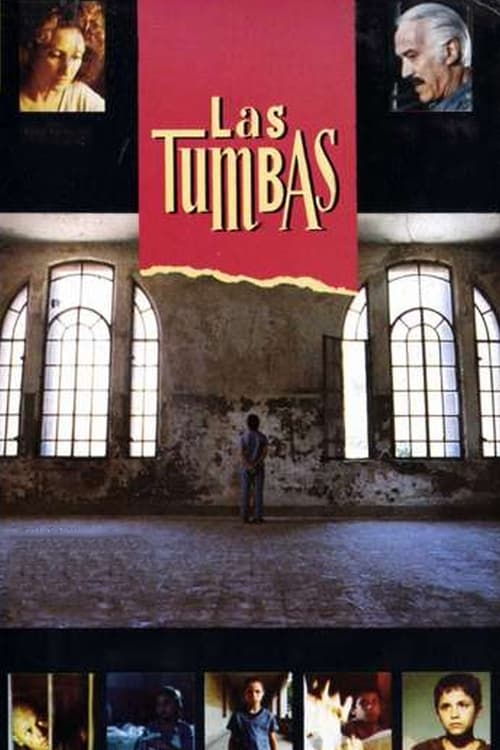
The Tombs
1991
No user ratings available yet
Representation score: 6.8 out of 10

Representation Score
Good
1983
Director
Yılmaz Güney
Runtime
117 minutes
Average Rating
No ratings yetNew Showbiz Analysis
The Wall is a visceral examination of systemic violence and the carceral state. It succeeds by centering the Turkish proletariat and challenging Western-centric storytelling through a lens of class struggle and anti-capitalist critique. However, the film's focus on patriarchal structures and institutional trauma limits its representation of gender and queer identities. These elements function as tools of degradation rather than explorations of ability to act. Ultimately, the film's strength lies in its socio-political weight. It prioritizes the struggle of the underrepresented against corrupt state apparatuses, offering a profound look at the human cost of institutional oppression.
Category Breakdown
The film does not explore LGBTQ+ identities or non-cisgender roles. Sexual abuse is shown as part of institutional trauma rather than an exploration of queer identity.
Gender roles are defined by oppressive patriarchal structures in both rural and prison settings. The film highlights how traditional hierarchies suppress the human spirit without seeking to empower women.
The film centers on the Turkish working class and peasantry, avoiding Western-centric clichés. It offers a strong depiction of ethnic and class-based identity, focusing on voices often sidelined by mainstream cinema.
This work serves as a powerful critique of predatory state institutions. It uses class struggle to deconstruct myths of justice, framing character actions as necessary responses to systemic oppression.
The film explores 'social disability' through the lens of poverty and incarceration. While it does not feature characters with recognized disabilities, it vividly depicts lasting psychological and physical trauma.
Present on Screen
Limited or Absent
Official Synopsis
Produced, written and directed by Yılmaz Güney within his own personal experiences of capital offense, he dedicates Duvar to male teenagers aged 13 to 19 living behind the bars under diabolical treatments. These teenagers get barbaric corporal punishments, injurious harrows, tortures and sexual abuses just for taking the responsibility of their destiny on a wrong turn.
1991

1980
1982

1979
2012

2017

1990

1983
No reviews yet. Be the first to share your thoughts on this movie!
Use the rating form above to leave a star rating and optional review.