Puparia
2021
No user ratings available yet
Representation score: 7.0 out of 10
Representation Score
Excellent
2016
Director
Hiroyuki Yamashita
Runtime
11 minutes
Average Rating
No ratings yetNew Showbiz Analysis
This OVA explores institutional evolution and shifts in power dynamics, particularly through competent female characters and a nuanced critique of historical authority. It uses fantasy clans to represent ethnic and racial integration. However, the film's portrayal remains somewhat limited by the lack of explicit LGBTQ+ depictions and a tendency towards struggle narratives involving disabilities.
Category Breakdown
The film challenges traditional family structures and emotional bonds, avoiding typical heterosexual norms. However, it lacks explicit depictions of same-sex relationships.
Women play key roles in the village's political and tactical infrastructure, avoiding submissive stereotypes and showcasing strategic equality.
The story highlights multicultural cooperation among various clans and non-human entities, using fantasy elements to represent ethnic integration.
The film critiques the shinobi system and traditional leadership, focusing on the burden of authority and the transition to a communal social contract.
Characters face physical and psychological challenges, such as PTSD, which drive their actions but sometimes fall into repetitive struggle narratives.
Present on Screen
Limited or Absent
Official Synopsis
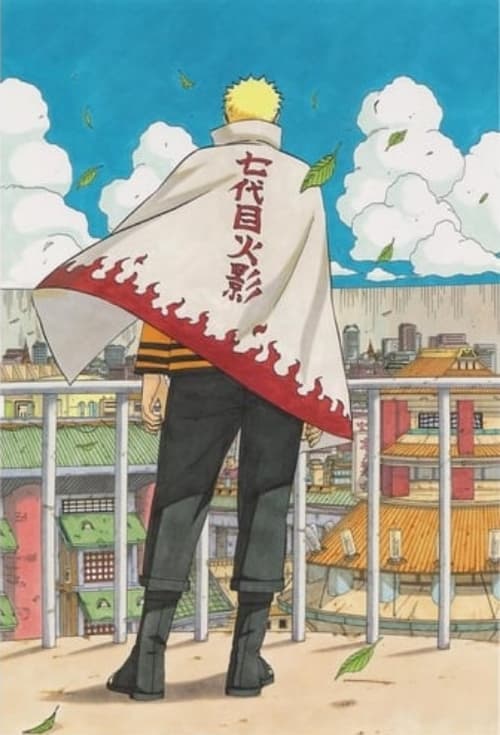
Depicts the day that Naruto Uzumaki became the 7th Hokage.
2021
2018

2023

2008
2015

2020

2022

2024
No reviews yet. Be the first to share your thoughts on this movie!
Use the rating form above to leave a star rating and optional review.