
Naruto the Movie: Ninja Clash in the Land of Snow
2004
No user ratings available yet
Representation score: 3.7 out of 10
Representation Score
Fair
2015
PGDirector
Hiroyuki Yamashita
Runtime
95 minutes
Average Rating
No ratings yetNew Showbiz Analysis
The film serves as a generational transition piece that focuses on deconstructing the hero archetype. It successfully gives female characters a significant role in driving the story in tactical combat situations, moving beyond simple supporting roles. However, the narrative remains anchored in traditional structures, relying heavily on hereditary legacies and established bloodlines rather than exploring broader multi-layered experiences. The film lacks significant representation of LGBTQ+ identities or characters with disabilities, reflecting a stable rather than radically inclusive approach.
Category Breakdown
The film does not include explicit LGBTQ+ identities or same-sex romantic relationships. Character interactions focus on traditional familial and platonic bonds within the shinobi society.
Female characters such as Sarada Uchiha and Sakura Haruno play key roles in high-stakes combat scenarios and play a significant role in driving the story. The film avoids relegating women to purely domestic roles, even while operating within the village's existing hierarchy.
Clan-based lineages act as metaphors for ethnic diversity within the Hidden Leaf Village. However, the story remains centered on established bloodlines and the protagonist's family history.
The narrative explores the tension between individual freedom and institutional authority through Boruto's rebellion. The antagonist introduces moral relativism, challenging the traditional good-versus-evil binary.
There is no prominent focus on visible or invisible disabilities. While combat takes a physical toll, characters with disabilities do not drive the plot or emotional arcs.
Present on Screen
Limited or Absent
Official Synopsis
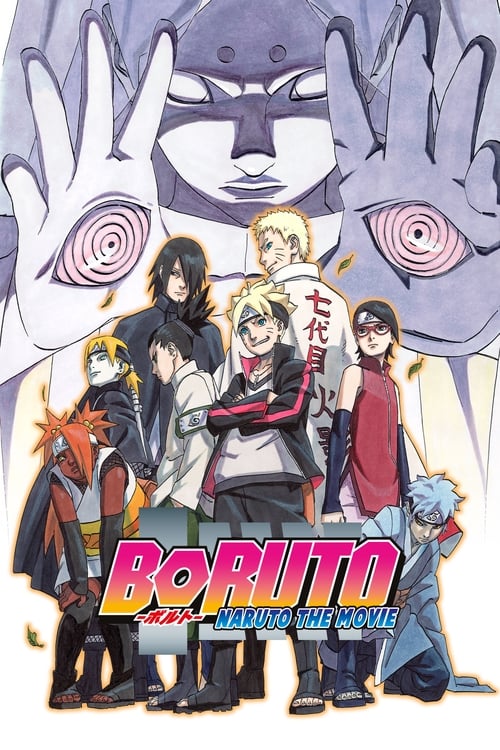
The spirited Boruto Uzumaki, son of Seventh Hokage Naruto, is a skilled ninja who possesses the same brashness and passion his father once had. However, the constant absence of his father, who is busy with his Hokage duties, puts a damper on Boruto's fire. He ends up meeting his father's friend Sasuke, and requests to become... his apprentice!? The curtain on the story of the new generation rises!
2004
2009
2011
2019
2016
2008

2012
2014
No reviews yet. Be the first to share your thoughts on this movie!
Use the rating form above to leave a star rating and optional review.