The Lost Jungle
1934
No user ratings available yet
Representation score: 1.3 out of 10
Representation Score
Minimal
1936
ApprovedDirector
B. Reeves Eason, Joseph Kane
Runtime
269 minutes
Average Rating
No ratings yetNew Showbiz Analysis
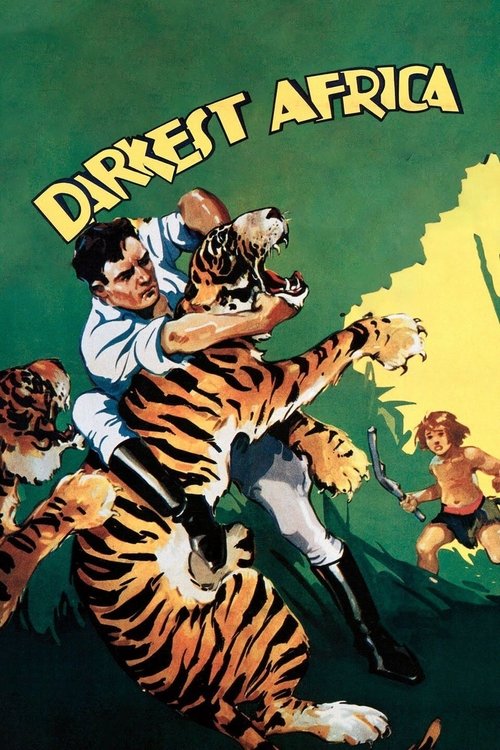
Darkest Africa is a quintessential product of its time, reinforcing early 20th-century social and colonial hierarchies. The narrative structure centers on a singular male hero and a passive female figure. The film relies heavily on stereotypical ethnic portrayals and a Western-centric view of the 'other.' It does not challenge the status quo, instead upholding the conventional social and cultural norms of the 1930s through a colonialist lens.
Category Breakdown
The film does not include any identifiable LGBTQ+ characters or non-straight relationships. It strictly follows the binary social structures typical of 1930s adventure cinema.
The main male character, Beatty, holds nearly all the power and ability to act in the story. Female characters, such as the Goddess of Joba, are portrayed as passive figures waiting to be rescued rather than independent actors.
The film portrays African groups using stereotypical jungle adventure clichés and colonialist viewpoints. The narrative centers around a white explorer who acts as the primary agent of change.
The storyline presents a civilization versus savagery dichotomy that supports Western exceptionalism. It emphasizes the necessity of Western intervention to restore order in foreign territories.
There is no representation of physical, sensory, or neurodivergent disabilities. Characters conform to the idealized physical standards of the action-adventure genre.
Present on Screen
Limited or Absent
Official Synopsis
A 15-episode serial in which Beatty goes to darkest Africa to rescue the Goddess of Joba, who is being held by the high priest.
1934
1950
1932
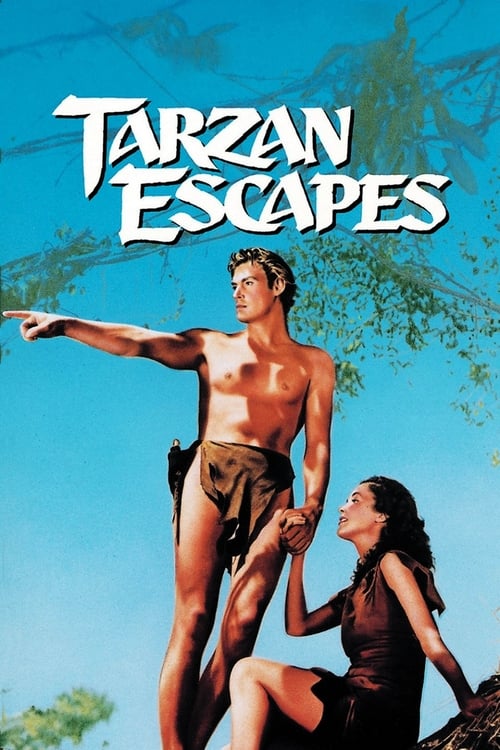
1936
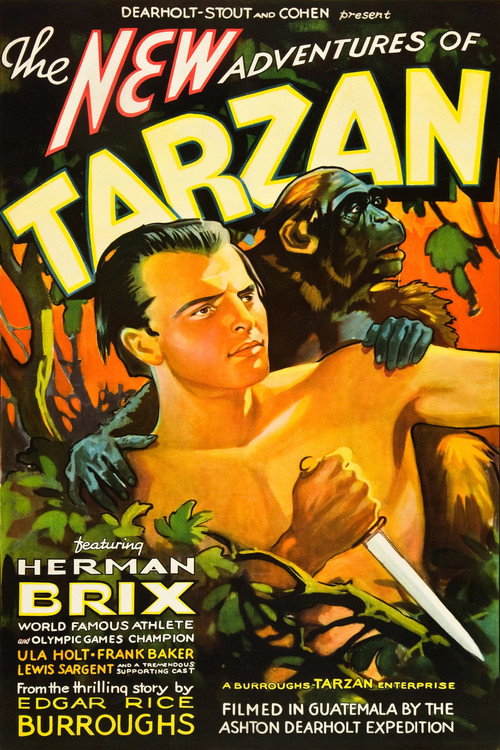
1935
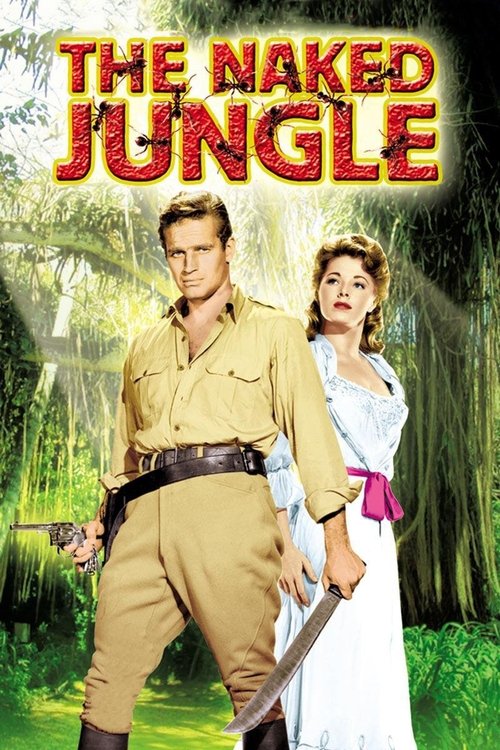
1954
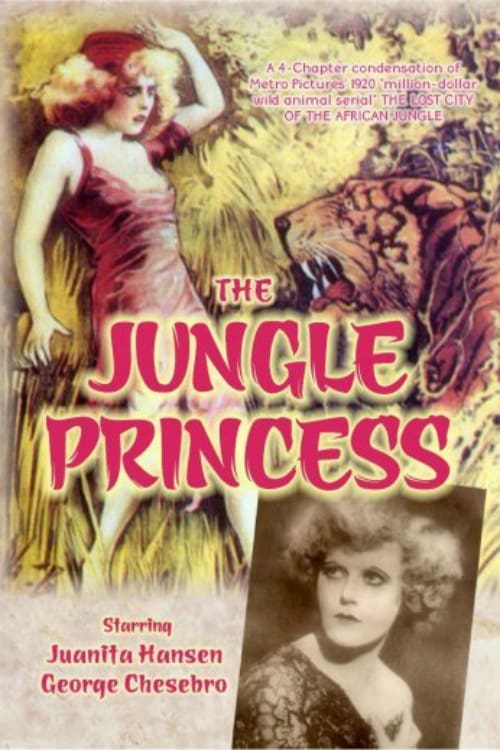
1920
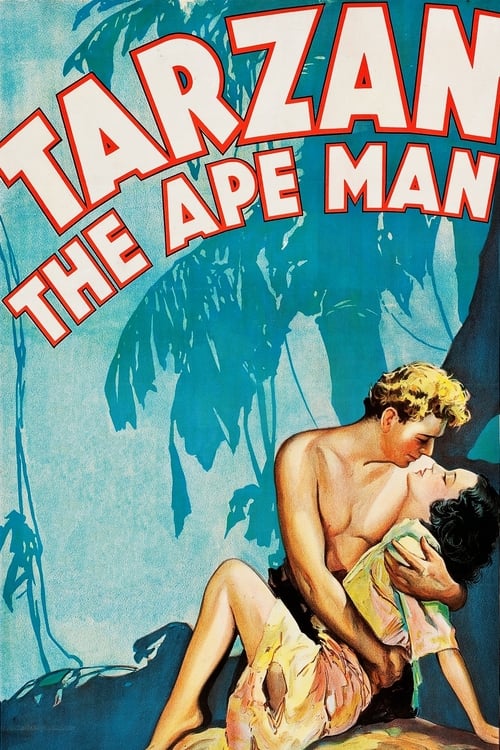
1932
No reviews yet. Be the first to share your thoughts on this movie!
Use the rating form above to leave a star rating and optional review.