
Kingsman: The Golden Circle
2017
No user ratings available yet
Representation score: 7.5 out of 10
Representation Score
Limited
2015
PG-13Director
Guy Ritchie
Runtime
116 minutes
Average Rating
No ratings yetNew Showbiz Analysis
The film is a stylized genre piece that prioritizes postmodern aesthetics over demographic restructuring. It operates within the established stylistic bounds of 1960s action cinema, favoring traditional masculine roles. While the film avoids harmful stereotypes, its narrative core remains rooted in traditional social structures. Its most progressive element is the deconstruction of geopolitical absolutism, offering a nuanced view of international power dynamics. Ultimately, the work functions as a period-accurate emulation of spy clichés rather than a tool for social subversion.
Category Breakdown
The film follows traditional structures that assume everyone is straight or cisgender. It focuses on the professional friction between male leads without delving into queer identities or intimate relationships.
This is a male-dominated procedural centered around the partnership between the main characters. While the character G provides significant influence as an intelligence asset, the story remains anchored in masculine archetypes.
The Cold War setting allows for an internationalist backdrop. While the protagonists are white, the tension between American and Soviet interests prevents a monolithic Western viewpoint.
The narrative breaks down rigid Cold War ideological binaries. By forcing CIA and KGB cooperation, it portrays both institutions as flawed, professional entities rather than absolute moral poles.
There are no prominent depictions of visible or invisible disabilities. No such elements serve as central drivers within the narrative.
Present on Screen
Limited or Absent
Official Synopsis
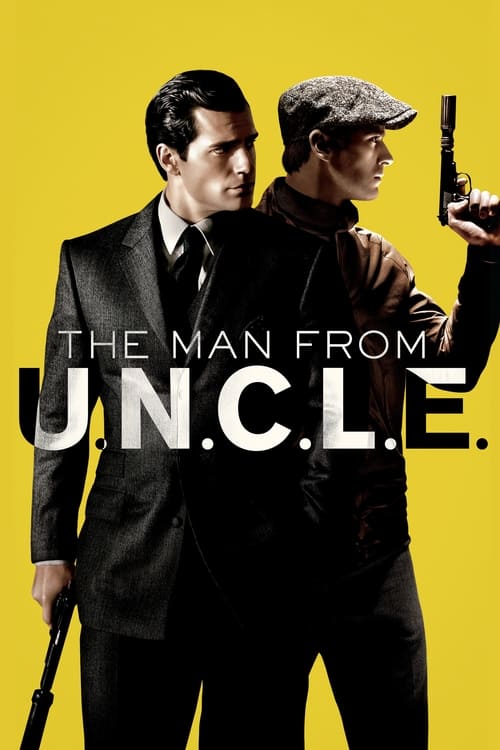
At the height of the Cold War, a mysterious criminal organization plans to use nuclear weapons and technology to upset the fragile balance of power between the United States and Soviet Union. CIA agent Napoleon Solo and KGB agent Illya Kuryakin are forced to put aside their hostilities and work together to stop the evildoers in their tracks. The duo's only lead is the daughter of a missing German scientist, whom they must find soon to prevent a global catastrophe.
2017
1968

2002
1980

2015
1967
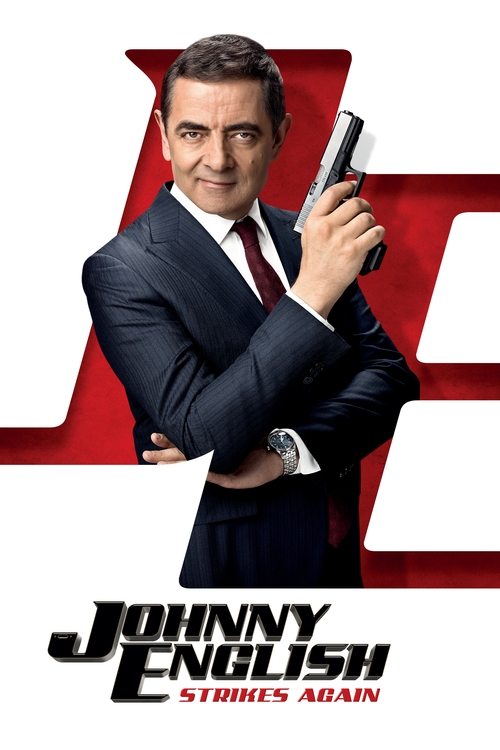
2018
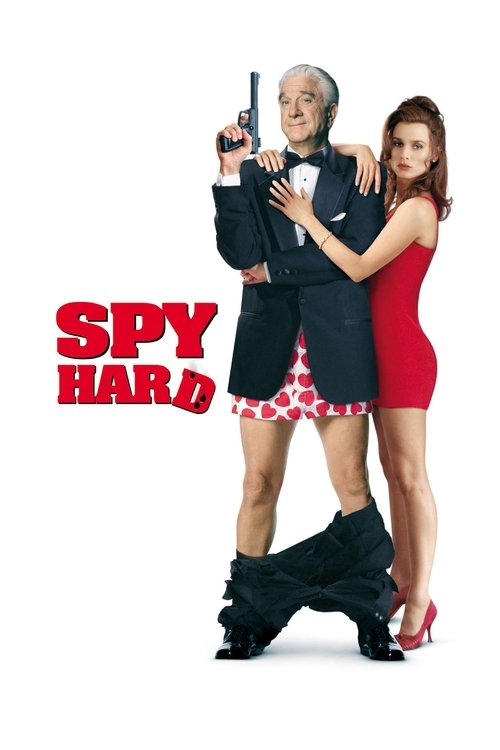
1996
No reviews yet. Be the first to share your thoughts on this movie!
Use the rating form above to leave a star rating and optional review.