
I Spy
2002
No user ratings available yet
Representation score: 3.7 out of 10
Representation Score
Minimal
2002
PG-13Director
Joel Schumacher
Runtime
116 minutes
Average Rating
No ratings yetNew Showbiz Analysis
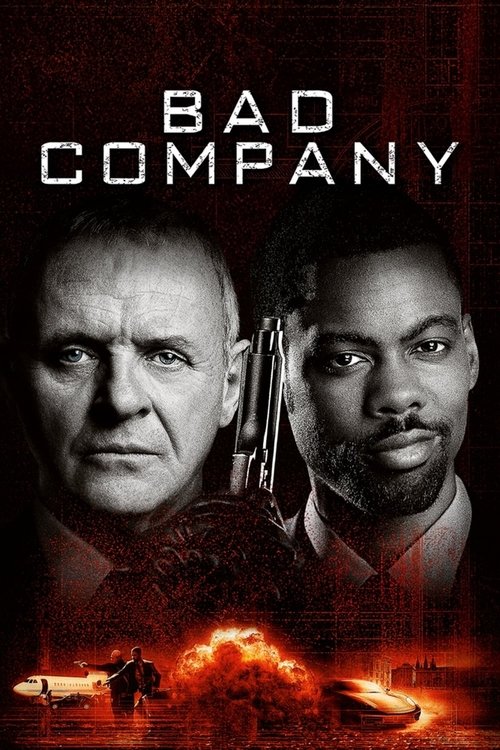
Bad Company is an action-comedy film that relies on traditional masculine archetypes and a predominantly white cast. While the film lacks diverse representation, it offers a nuanced critique of the Great Depression era's economic instability and capitalist failures. The narrative explores themes of survival and moral ambiguity within the context of systemic economic failure. However, the film remains within strict demographic boundaries, focusing on a narrow slice of society.
Category Breakdown
The film does not include any LGBTQ+ characters or explore non-straight relationships. It follows traditional social structures that assume everyone is straight.
The story centers around male characters and traditional masculine roles. Women appear in supporting roles but do not challenge established gender hierarchies.
The cast is primarily made up of white actors, reflecting a traditional Western demographic. There are no characters of color in prominent roles.
The film critiques the economic failures and capitalist institutions during the Great Depression. It explores moral ambiguity and the struggles of the working class.
The film does not depict any characters with visible or invisible disabilities. There are no neurodivergent or physically impaired characters.
Present on Screen
Limited or Absent
Official Synopsis
When a Harvard-educated CIA agent is killed during an operation, the secret agency recruits his twin brother.
2002
1985

2010

2002

2010
1998

2008
1967
No reviews yet. Be the first to share your thoughts on this movie!
Use the rating form above to leave a star rating and optional review.