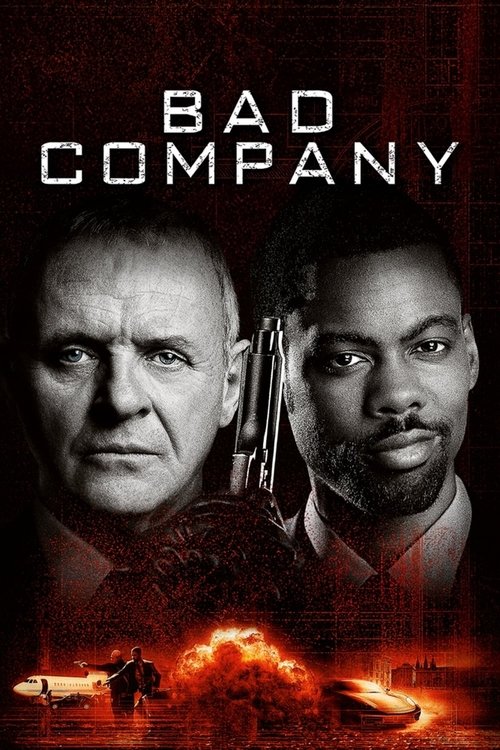
Bad Company
2002
No user ratings available yet
Representation score: 1.5 out of 10

Representation Score
Limited
2002
PG-13Director
Betty Thomas
Runtime
97 minutes
Average Rating
No ratings yetNew Showbiz Analysis
I Spy is a conventional early-2000s commercial action-comedy. While the casting of Eddie Murphy provides significant racial visibility in a genre often dominated by white leads, the film does not use this position to explore complex social themes. The narrative prioritizes star-driven comedy and established genre clichés over challenging systemic issues. It reinforces traditional authority structures and Western institutions without critique. Overall, the film lacks intentionality regarding complex social themes, focusing instead on a standard hero-versus-villain dynamic and physical spectacle.
Category Breakdown
The film does not include any LGBTQ+ characters or explore non-straight relationships. It focuses on a traditional heterosexual dynamic.
Kelly Robinson is a strong and capable boxer, but the film relies on typical 'odd couple' humor. The story follows traditional action-comedy patterns without questioning gender roles.
The film offers racial visibility by casting a Black actor in a prominent genre role. However, it does not delve into the racial identity or systemic issues related to the character's position.
The story emphasizes Western institutions through its focus on a high-ranking CIA agent. It follows a conventional hero-versus-villain structure without critiquing broader societal issues.
The film does not represent any visible or invisible disabilities. Characters are defined solely by their peak physical abilities required by the action genre.
Present on Screen
Limited or Absent
Official Synopsis
When the Switchblade, the most sophisticated prototype stealth fighter created yet, is stolen from the U.S. government, one of the United States' top spies, Alex Scott, is called to action. What he doesn't expect is to get teamed up with a cocky civilian, World Class Boxing Champion Kelly Robinson, on a dangerous top secret espionage mission. Their assignment: using equal parts skill and humor, catch Arnold Gundars, one of the world's most successful arms dealers.
2002
1980
2008

1982

2013
1998
2000
2002
No reviews yet. Be the first to share your thoughts on this movie!
Use the rating form above to leave a star rating and optional review.