Dog-Gone
1939
No user ratings available yet
Representation score: 1.0 out of 10
Representation Score
Minimal
1947
NRDirector
Harve Foster
Runtime
59 minutes
Average Rating
No ratings yetNew Showbiz Analysis
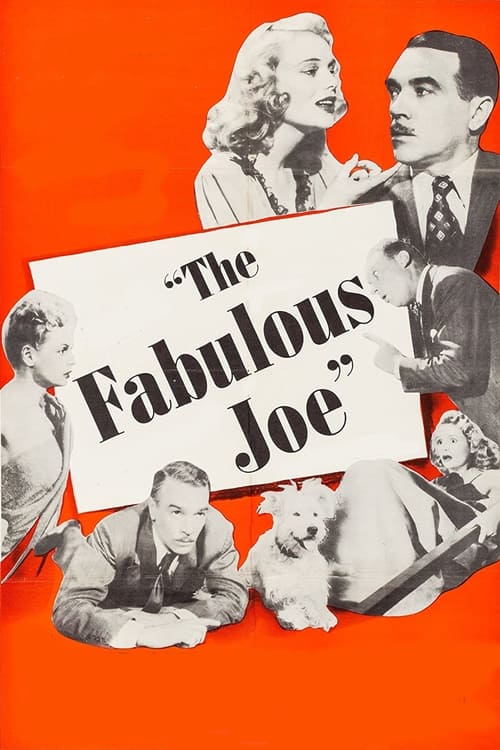
The Fabulous Joe is a conventional mid-century comedy that upholds established social hierarchies rather than challenging them. The plot uses a fantastical talking dog to facilitate a standard arc of masculine self-assertion and marital reconciliation. The film operates within a traditional domestic framework. It prioritizes the preservation of the nuclear family unit, using a judicial resolution to encourage marriage stability over individual autonomy. Ultimately, the work reflects the era's status quo. It lacks any intentionality to disrupt the period's typical gender roles, racial compositions, or social norms.
Category Breakdown
The film strictly follows the assumption that everyone is straight or cisgender. There are no narratives or identities that challenge traditional romantic structures.
Female characters serve as traditional archetypes, such as the unfaithful wife or glamorous distraction. The plot reinforces patriarchal marriage and traditional masculine roles.
The film features a homogeneous cast typical of 1940s studio comedies. There is no indication of diverse racial or ethnic representation.
The narrative promotes Western institutional values, emphasizing the sanctity of the nuclear family. It highlights social stability through conventional mid-century mores.
No characters with visible or invisible disabilities are present in the narrative.
Present on Screen
Limited or Absent
Official Synopsis
Milo Terkel's life is never the same after he is willed a dog named Joe. Milo buys his wife a diamond necklace for their anniversary, but when he returns home he finds a note saying she is attending a charity affair. He decides to celebrate alone, taking Joe along for company. After two "mystery gardenias" at the Florida Club, he meets gorgeous Miss Gilmore who spots the necklace and asks to try it on. Milo is punched in the nose by Miss Gilmore's boyfriend, Louie. But Milo's troubles really begin when his dog starts to talk to him, and ONLY to him! He tells Milo to act tough, like Humphrey Bogart. It's a laugh-a-minute as Milo changes from lamb to lion and is innocently caught by his wife with the shapely Miss Gilmore. When his wife sues for divorce he tells the judge about Joe being his advisor. The judge can only suggest that Milo and his wife take a long vacation to work out their problems. Everyone knows a dog simply can't talk!
1939
1950

1955

1927
1951
1912
1976
1943
No reviews yet. Be the first to share your thoughts on this movie!
Use the rating form above to leave a star rating and optional review.