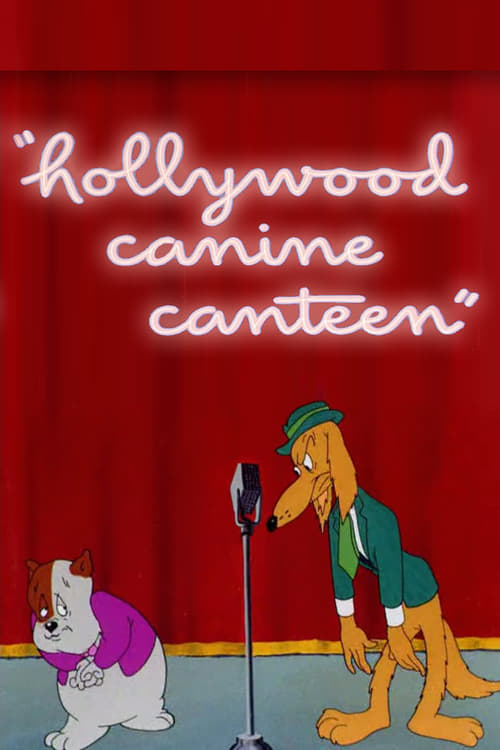
Hollywood Canine Canteen
1946
No user ratings available yet
Representation score: 0.8 out of 10
No Poster Available
Representation Score
Limited
1943
ApprovedDirector
Lou Lilly
Runtime
10 minutes
Average Rating
No ratings yetNew Showbiz Analysis
This 1943 comedy uses animal metaphors and mid-century clichés to provide escapist entertainment. Cultural motifs, such as the Carmen Miranda aesthetic, are used to create a specific comedic atmosphere rather than authentic representation. While the film moves beyond purely Anglo-Saxon settings by incorporating Latin American cultural elements, it seems to rely on romanticized stereotypes typical of the studio era. The focus remains on canine social interactions rather than identity-driven storytelling. Ultimately, the film serves as a period-typical comedy, using cultural signifiers for comedic effect without delving into the disruption of social hierarchies or the exploration of complex multi-layered identities.
Category Breakdown
The film does not explicitly include non-straight or non-cisgender identities. It focuses on canine interactions within a cantina setting, using a traditional comedic structure.
The story revolves around various canine characters participating in social events. A 'Carmen Miranda pooch' suggests a performative role, but there is no indication of challenging traditional gender roles.
The use of a Carmen Miranda motif references Latin American aesthetics. However, these cultural markers might rely on historical exoticism rather than authentic representation.
The 'Old Mexico Way' setting and cantina environment suggest a romanticized view of Mexican culture. The film prioritizes light-hearted entertainment over exploring deeper systemic power dynamics or cultural complexities.
There is no information available regarding the portrayal of physical or neurodivergent disabilities in this production.
Present on Screen
Limited or Absent
Official Synopsis
The dogs which live and love 'Down Old Mexico Way!' Featuring an incredible dog conga line, with various canines whooping it up in a cantina spotlighting a Carmen Miranda pooch.
1946
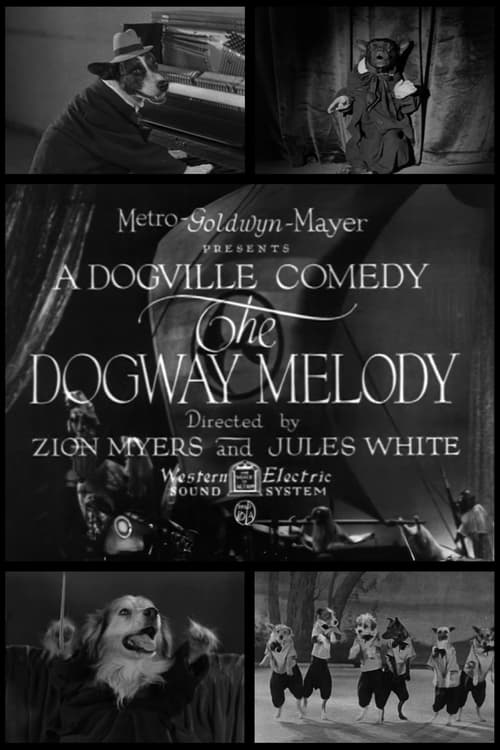
1930
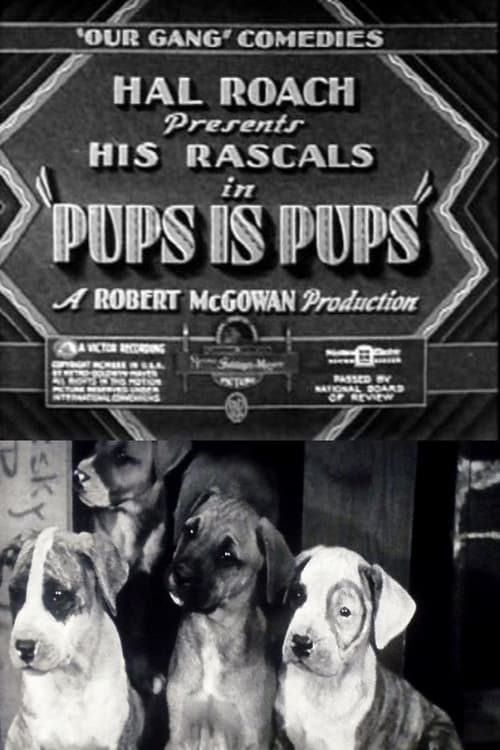
1930
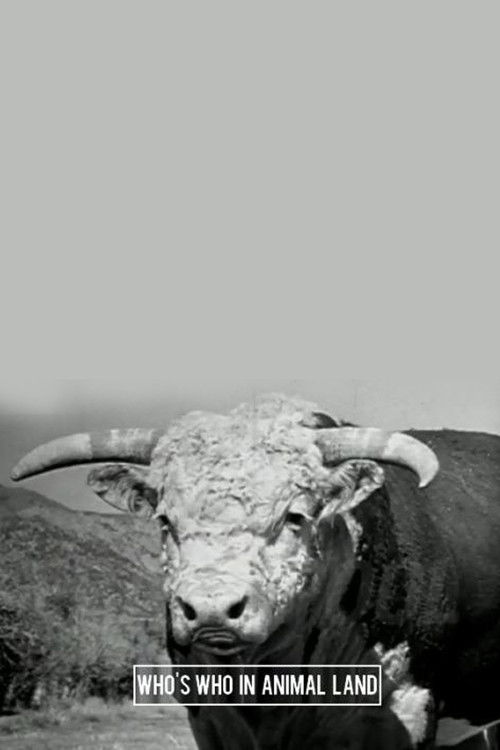
1944
1958
1931

1955
1942
No reviews yet. Be the first to share your thoughts on this movie!
Use the rating form above to leave a star rating and optional review.