That Splendid November
1969
No user ratings available yet
Representation score: 4.9 out of 10
Representation Score
Fair
1971
Director
Boštjan Hladnik
Runtime
86 minutes
Average Rating
No ratings yetNew Showbiz Analysis
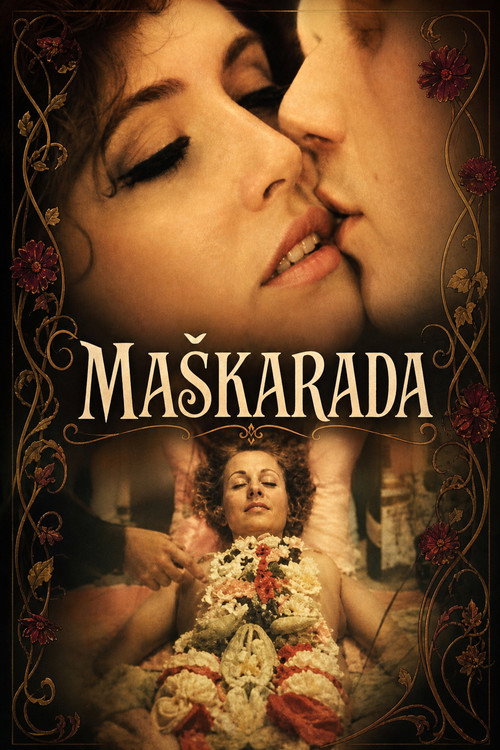
Masquerade is a film with moderate progressive intent that disrupts traditional social and marital structures. It uses a forbidden romance to challenge the conservative standards of its era. While the film pushes boundaries regarding sexual autonomy and gendered ability to act, it lacks explicit multi-layered diversity. The narrative remains focused on a specific heterosexual transgression rather than broader identity representation.
Category Breakdown
The story focuses on a heterosexual relationship between an older woman and a young athlete. There is no indication of queer subtext or non-cisgender identities in the narrative.
The film challenges traditional gender roles by making an older woman the protagonist of a transgressive romance. This subverts the typical submissive female archetype.
The cast likely reflects the ethnic makeup of 1971 Yugoslavia. However, there is no documented evidence of multi-ethnic ensembles or diverse racial representation.
The story critiques restrictive social and marital institutions by emphasizing individualist morality. Its history of censorship highlights a focus on personal freedom over collective or religious standards.
The film does not include any characters with visible or invisible disabilities. There is no assessment of neurodivergence or physical disability.
Present on Screen
Limited or Absent
Official Synopsis
Banned for over a decade because of its "explicit" sexual situations, when this film was released in Yugoslavia in 1983 the "explicit" scenes had become tame. Other than the notoriety it obtained through censorship, the film has an undistinguished story about the forbidden love affair between the older wife of a sports director and a young athlete.
1969
1976
1992
1973
1977

1990
1974
2005
No reviews yet. Be the first to share your thoughts on this movie!
Use the rating form above to leave a star rating and optional review.