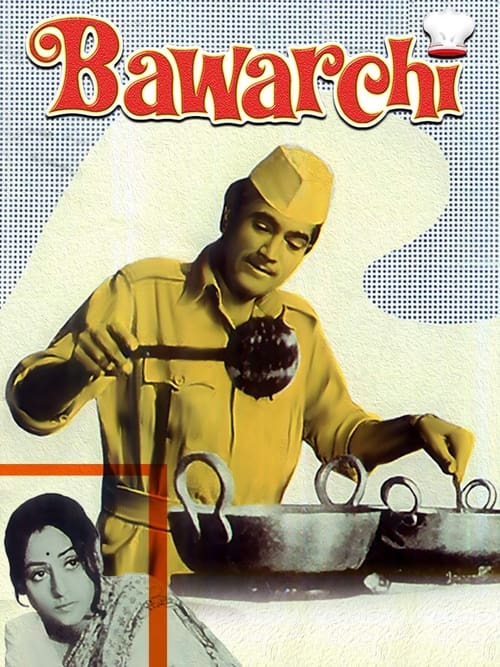
Bawarchi
1972
No user ratings available yet
Representation score: 3.0 out of 10

Representation Score
Fair
1965
Director
Phani Majumdar
Runtime
144 minutes
Average Rating
No ratings yetNew Showbiz Analysis
Oonche Log is a character-driven drama that uses its protagonist's blindness to explore themes of justice and truth. While it adheres to mid-century social norms regarding gender, it offers a sophisticated critique of class structures. The film's strength lies in its refusal to treat disability as a tool for pity, instead granting the blind protagonist moral leadership. It also provides a sharp deconstruction of the upper class, challenging the perceived virtue of the elite. However, the film remains limited by its patriarchal framework. Women serve largely as plot devices to drive male conflict, and the narrative lacks any representation of LGBTQ+ identities.
Category Breakdown
The film focuses on traditional family structures and social hierarchies that assume everyone is straight. There are no non-cisgender identities or critiques of the assumption that everyone is straight or cisgender.
Female characters primarily function as catalysts for male-driven drama rather than independent agents. The narrative explores the tragic consequences of patriarchal expectations through a woman's suicide.
The cast is predominantly South Asian, reflecting regional and class-based identities within the Indian social fabric.
The film deconstructs the concept of the 'high-born' to critique the moral vacuum in capitalist social hierarchies. It exposes the hypocrisy often found within elite social standings.
Major Chandrakant is portrayed as a blind individual who play a significant role in driving the story. His disability is integrated into his moral authority rather than used for mere pathos.
Present on Screen
Limited or Absent
Official Synopsis
A blind, principled Major Chandrakant takes in a stranger on the run, unaware the man murdered his younger, irresponsible son who had abandoned a pregnant woman, leading to her suicide. The Major's elder son, a police inspector, is investigating the murder, creating a dramatic conflict of duty, family, and justice.
1972

1960

1965
2012
1957
1995

1961

1982
No reviews yet. Be the first to share your thoughts on this movie!
Use the rating form above to leave a star rating and optional review.