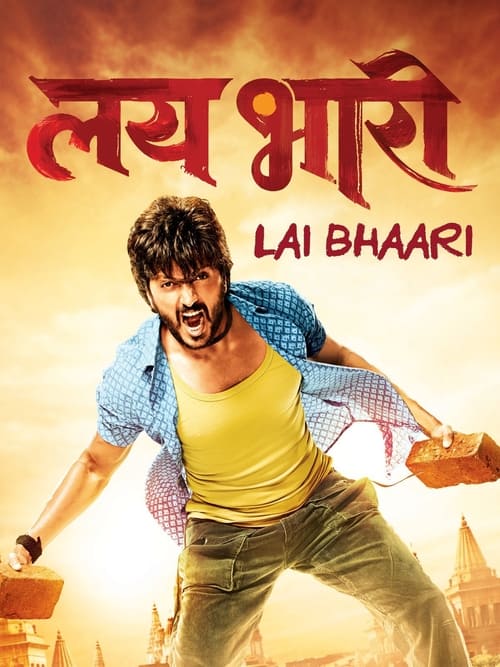
Lai Bhaari
2014
No user ratings available yet
Representation score: 3.6 out of 10
Representation Score
Minimal
1995
Director
Raj N. Sippy
Runtime
135 minutes
Average Rating
No ratings yetNew Showbiz Analysis
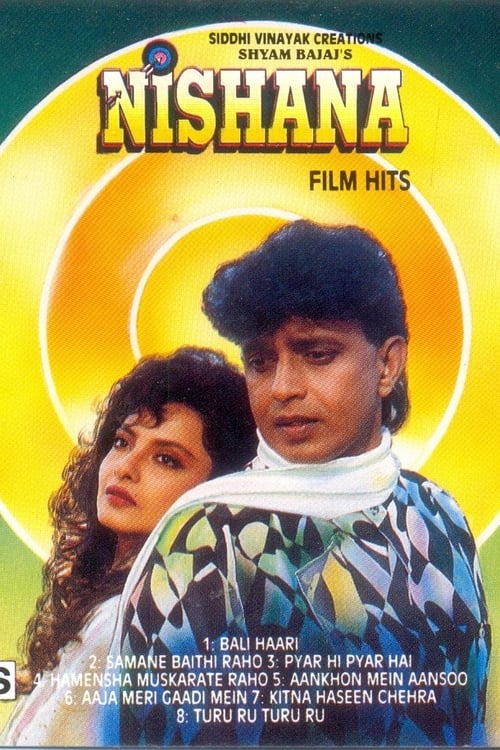
Nishana is a quintessential mid-90s action-drama that prioritizes traditional heroism and melodrama. The film reinforces established social hierarchies and gender roles rather than challenging them. The narrative architecture relies on the 'angry young man' archetype, placing control almost exclusively in the hands of the male protagonist. This creates a power dynamic where female characters serve as emotional catalysts rather than independent agents. While the film is culturally consistent with its Indian context, it lacks depth or representation of underrepresented identities, such as the LGBTQ+ community or individuals with disabilities.
Category Breakdown
The film follows a conventional structure typical of 1990s masala cinema, with no presence of LGBTQ+ identities or non-conforming gender expressions.
The narrative is driven by a male protagonist who holds primary control over the story. The female lead plays a central role but remains largely reactive or supportive.
The cast is culturally homogeneous, fitting the Indian setting without seeking to subvert ethnic norms through diverse casting.
The story relies on traditional moral binaries and familial honor, framing justice through personal retribution rather than critiquing social or political institutions.
There is no presence of characters with physical or neurodivergent disabilities, focusing instead on physical prowess and action-oriented conflict.
Present on Screen
Limited or Absent
Official Synopsis
The film is a tale of revenge. Police Inspector Suraj whose family is destroyed, kills his enemies as well as those of his love, Bharati.
2014
1975
1978
2012
1994
1987
1994

1982
No reviews yet. Be the first to share your thoughts on this movie!
Use the rating form above to leave a star rating and optional review.