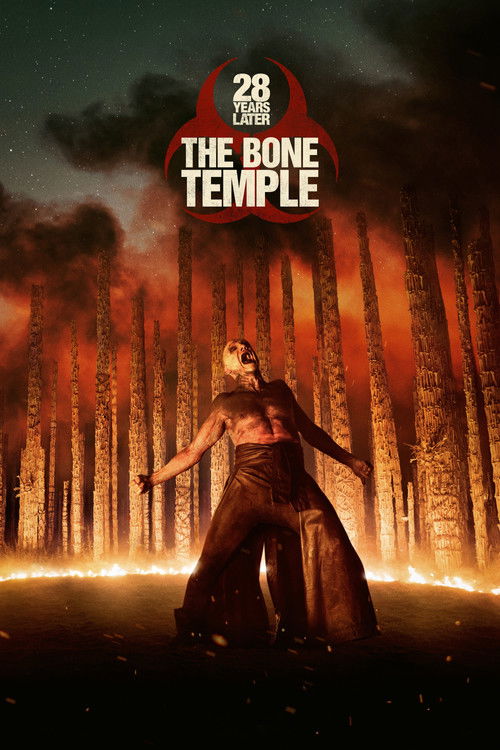
28 Years Later: The Bone Temple
2026
No user ratings available yet
Representation score: 3.3 out of 10

Representation Score
Good
2025
RDirector
Danny Boyle
Runtime
115 minutes
Average Rating
No ratings yetNew Showbiz Analysis
Boyle and Garland create a survival narrative that shifts genre expectations towards maternal care and institutional critique. Jodie Comer's prominent role disrupts traditional horror hierarchies, placing female resilience at the heart of the plot. This structure elevates intergenerational bonds over conventional male action roles. The film's strongest themes involve critiquing British nationalism and religious authority, presenting institutional faith as a regressive force during systemic collapse. This secular examination of cultural decay provides a contemporary lens on post-apocalyptic storytelling. However, the ensemble remains narrowly focused on a white British demographic, limiting broader ethnic perspectives. Queer identities and non-traditional relationships are not central to the narrative, and physical illness serves as a plot device without exploring specific disability experiences.
Category Breakdown
The story does not center around LGBTQ+ identities or non-traditional relationships. Instead, it focuses on traditional family and survival dynamics.
Jodie Comer stars as a strong female lead, emphasizing women's ability to drive the story within the survival horror framework. Her character highlights maternal resilience and intergenerational care, challenging typical male hero roles.
The cast is mostly made up of white British actors, reflecting local casting practices. Chi Lewis-Parry adds a notable point of inclusion, but the story remains focused on a specific national context.
The film critiques British nationalism, religious authority, and historical nostalgia through its post-apocalyptic setting. It deconstructs institutional faith and national myths, favoring a secular perspective on cultural decay.
An ill mother needing medical care places illness at the center of the narrative. However, the film does not delve into specific disability experiences.
Present on Screen
Limited or Absent
Official Synopsis
Twenty-eight years after the Rage virus outbreak, a heavily-defended island survives connected to the mainland by a single causeway. When one of the group leaves the island into the dark heart of the mainland, he discovers secrets, wonders, and horrors that have mutated not only the infected but other survivors as well.
2026
2026
2002
2011

2007
2008
2022
2016
No reviews yet. Be the first to share your thoughts on this movie!
Use the rating form above to leave a star rating and optional review.