
28 Weeks Later
2007
No user ratings available yet
Representation score: 4.4 out of 10
Representation Score
Excellent
2002
RDirector
Danny Boyle
Runtime
113 minutes
Average Rating
No ratings yetNew Showbiz Analysis
28 Days Later succeeds as a sophisticated deconstruction of societal norms. It moves away from traditional heroic leadership, instead distributing real power across a diverse group of survivors. The film's strength lies in its ability to challenge established power structures and gendered clichés. While the film lacks depth regarding LGBTQ+ identities and specific disability narratives, it compensates through its aggressive subversion of gender hierarchies. The narrative shifts the focus from passive characters to active, capable individuals navigating a collapsed world. Ultimately, the film's impact comes from its critical interrogation of Western institutions. It frames the traditional protectors of society as potentially more predatory than the biological threat itself, creating a complex, layered model of survival.
Category Breakdown
The film lacks prominent LGBTQ+ characters or explorations of non-straight identities. The narrative focuses almost exclusively on biological and social survival within a high-stakes framework.
Female characters significantly disrupt traditional hierarchies. Selena, in particular, demonstrates immense tactical proficiency and plays a key role in driving the story, subverting the damsel in distress archetype to become a primary architect of survival.
While the protagonist is white, the film includes a diverse coalition of survivors. The presence of Selena, a Black female character who play a significant role in driving the story, prevents a singular racial focus.
The story offers a profound critique of Western institutional stability and state authority. It portrays the collapse of scientific and military structures as a central driver of the narrative.
The film touches on psychological trauma and neurodivergence through the lens of the Rage virus. However, these elements serve the horror genre rather than providing nuanced disability explorations.
Present on Screen
Limited or Absent
Official Synopsis
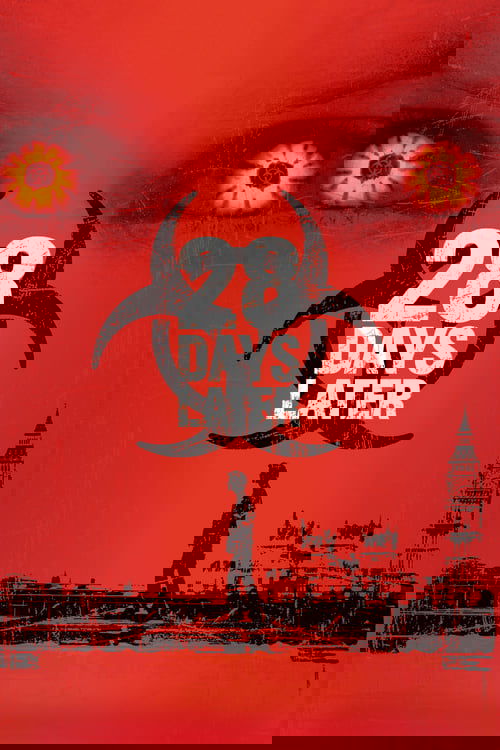
Twenty-eight days after a killer virus was accidentally unleashed from a British research facility, a small group of London survivors are caught in a desperate struggle to protect themselves from the infected. Carried by animals and humans, the virus turns those it infects into homicidal maniacs -- and it's absolutely impossible to contain.
2007
2016
2008
1985

2007
1975
1973
1998
No reviews yet. Be the first to share your thoughts on this movie!
Use the rating form above to leave a star rating and optional review.